
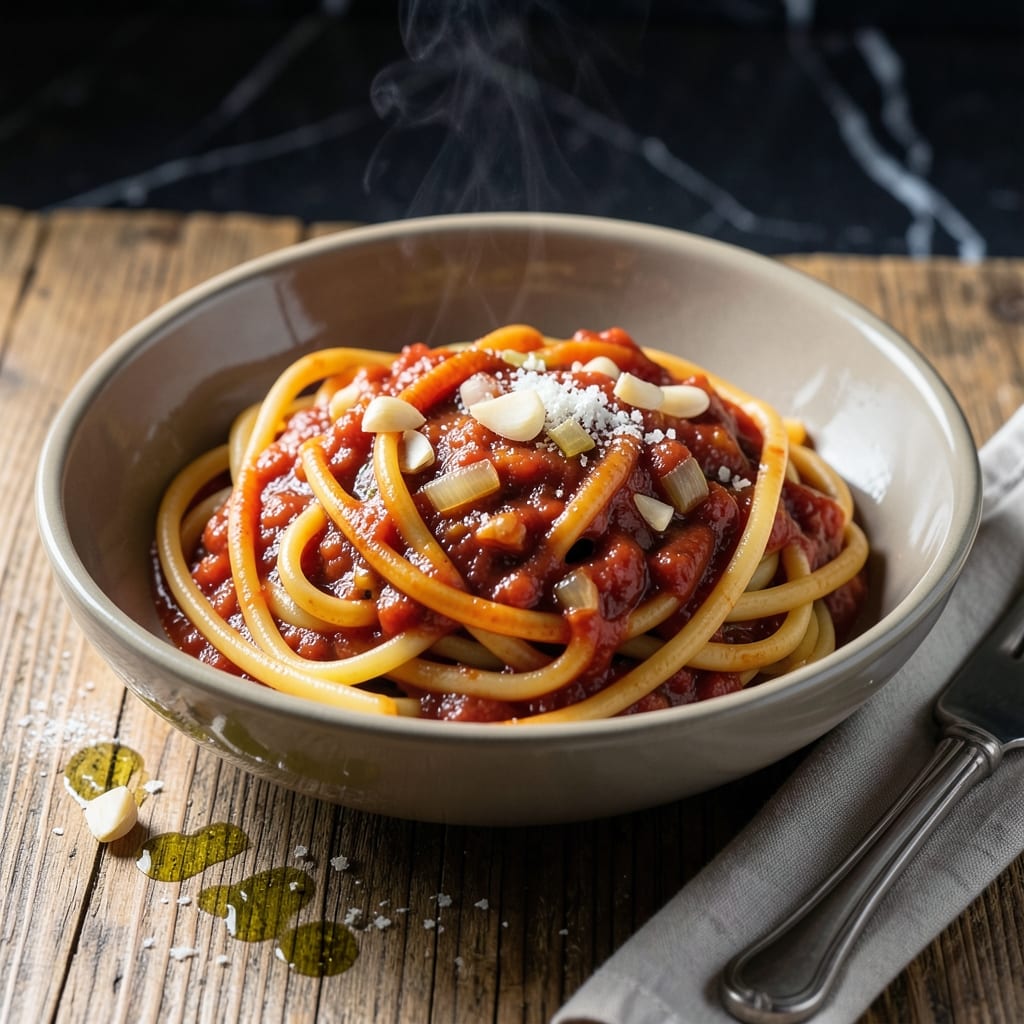
This Italian-inspired pasta sauce transforms simple tomato sauce into a rich, velvety base that elevates any dish. I developed this recipe to prove that incredible flavor doesn’t require hours of simmering or expensive ingredients.
The secret lies in balancing acidity with sweetness and building depth through careful layering. A touch of butter at the end creates a silky texture that clings beautifully to pasta, while fresh herbs add brightness to the finished sauce.
You’ll achieve a restaurant-quality result with minimal effort and maximum payoff. The sauce freezes perfectly, making it ideal for meal prep or last-minute dinners when time is short.
Use it as a foundation for classic spaghetti, lasagna, or even as a pizza base.
Ingredients for Pasta Sauce Recipe Using Tomato Sauce
A dozen ingredients transform basic tomato sauce into a rich, velvety Italian-inspired base for pasta.
| Ingredient | Amount | Notes |
|---|---|---|
| Canned Tomato Sauce 🍅 | 2 cups | Plain, unsalted preferred |
| Olive Oil 🫒 | ¼ cup | Extra-virgin for depth |
| Yellow Onion 🧅 | ½ whole | Finely diced for even cooking |
| Garlic Cloves 🧄 | 4 cloves | Minced for aromatic base |
| Tomato Paste 🍅 | 2 tbsp | For concentrated umami |
| Coconut Sugar 🥥 | 1 tsp | Balances acidity naturally |
| Balsamic Vinegar 💧 | 1 tbsp | Adds complexity and depth |
| Dried Oregano 🍃 | 1 tsp | Italian or Mediterranean preferred |
| Dried Basil 🌿 | 1 tsp | Complements tomato flavor |
| Vegan Butter 🧈 | 2 tbsp | For velvety finish |
| Fresh Basil Leaves 🌿 | ¼ cup | Chopped for freshness |
| Salt 🧂 | 1 tsp | Sea salt or kosher preferred |
| Black Pepper 🌶️ | ½ tsp | Freshly ground for best flavor |
The tomato sauce quality matters most. San Marzano canned tomatoes are ideal, but any unsalted plain sauce works. Look for low-acid options at Whole Foods or Italian specialty stores. The coconut sugar may seem unusual, but it balances the acidity perfectly without overpowering. Fresh herbs add the finishing brightness—Trader Joe’s has reliable fresh basil year-round.
No coconut sugar? Maple syrup or agave at equal amounts works. Skip the vegan butter if needed, but it does create that signature silky texture. Miyoko’s or Earth Balance are excellent brands. For the tomato paste, those squeeze tubes at Trader Joe’s are convenient. Dried herbs can be swapped at one-third the amount if using fresh.
Sauce keeps in the fridge for up to 5 days or freeze for 3 months. Portion into ice cube trays for easy single servings. The flavor deepens after a day, making it perfect for meal prep. Always reheat gently to preserve the velvety texture.
Why You’ll Love This Recipe
- One-Pot Wonder: I love that everything—onion, garlic, tomato paste—cooks in a single pot with barely any cleanup.
- Deep, Rich Flavor: The tomato paste and slow-simmered garlic turn simple canned sauce into something restaurant-worthy.
- Freezer Friendly: Honestly, I double the batch and freeze half for those nights I’m too tired to cook.
- Budget Stretch: Five affordable ingredients feed my family for days, and no one complains about leftovers.
Step-by-Step Instructions for Pasta Sauce Using Tomato Sauce
Master this technique and you’ll achieve a rich, velvety texture with balanced acidity every time.
Step 1: Sauté Aromatics in Olive Oil
Heat the 0.25 cup Olive Oil in a heavy saucepan over medium heat. Add the 0.5 whole Yellow Onion, finely diced, and cook for 5-6 minutes until translucent and soft. The onion should glisten but not brown—this builds the flavor foundation.
Add the 4 cloves Garlic Cloves, minced, and cook for 30 seconds until fragrant. Stir constantly to prevent burning, as garlic scorches easily. This aromatic base is crucial for depth in your sauce.
Step 2: Build Flavor with Tomato Paste and Seasonings
Stir in the 2 tbsp Tomato Paste and cook for 2-3 minutes until it darkens slightly. This step intensifies the umami flavor and eliminates any raw taste. Watch for the paste to turn a deeper red—this visual cue signals it’s ready.
Add the 1 tsp Dried Oregano, 1 tsp Dried Basil, 1 tsp Salt, and 0.5 tsp Black Pepper. Toast the spices for 30 seconds to release their essential oils. The kitchen should smell richly aromatic at this stage.
Step 3: Simmer Tomato Sauce with Balancing Ingredients
Pour in the 2 cups Canned Tomato Sauce and stir to combine. Add the 1 tsp Coconut Sugar and 1 tbsp Balsamic Vinegar—these balance the acidity and add complexity. Bring the mixture to a gentle simmer, then reduce heat to low.
Simmer uncovered for 20-25 minutes, stirring occasionally. The sauce should thicken slightly and develop a deeper color. Taste and adjust seasoning if needed, though the initial measurements should provide perfect balance.
Step 4: Finish with Vegan Butter and Fresh Basil
Remove the sauce from heat and stir in the 2 tbsp Vegan Butter until fully melted. This adds a velvety richness that ties all the flavors together. The sauce should now have a glossy, luxurious appearance.
Finally, fold in the 0.25 cup Fresh Basil Leaves, chopped. The fresh basil brightens the sauce and adds a pop of color. Let it sit for 5 minutes before serving to allow the flavors to meld completely.
Pro Tips For Making Pasta Sauce Recipe Using Tomato Sauce
- Sauté Onions Slowly: Cook your yellow onions for at least 8-10 minutes on medium-low heat until soft and translucent—I learned this the hard way when my sauce tasted harsh from undercooked onions.
- Bloom Tomato Paste: After adding tomato paste to the oil, let it cook for 2-3 minutes until it darkens slightly. This builds depth and removes the raw tinny taste.
- Skip Cold Cans: Rinse your canned tomato sauce with warm water before opening, or it’ll take forever to heat through evenly.
- Finish with Oil: Stir in a final drizzle of olive oil off the heat—about 1 tablespoon—it smooths the sauce and adds a silky finish.
Make-Ahead Tips for Leftovers
Prep Ahead Basics
I always make a double batch of this sauce—it keeps beautifully and saves time on busy nights. The flavors actually deepen after 24 hours in the fridge, making it taste even better the next day. This is my go-to strategy for stress-free weeknight dinners. 💡
Fridge Storage
Transfer cooled sauce to airtight containers—I use glass mason jars for easy portioning. It stays fresh for up to 5 days at 40°F or below. Let it cool completely before sealing to prevent condensation.
Freezer Method
For longer storage, portion into freezer-safe bags or containers. I love using silicone ice cube trays for single servings. Freeze flat to save space, and it’ll keep perfectly for 3 months without quality loss.
Thawing Tips
Move frozen sauce to the fridge overnight for gradual thawing. For quick meals, submerge the sealed bag in cold water for 30-45 minutes. Never thaw at room temperature—this preserves texture and flavor.
Reheating Guide
Gently warm on the stovetop over low heat for 5-7 minutes, stirring occasionally. Add a splash of water if it thickens too much. Avoid boiling to maintain that velvety texture you worked hard to create. 🔥
Pro Meal Prep
Label your containers with the date and sauce type—I use masking tape and marker for easy identification. This small step makes grabbing the right sauce effortless when you’re in a rush.
Nutrition Facts
Frequently Asked Questions
Can I use fresh tomatoes instead of canned sauce?
Yes, but you’ll need to cook them down first. Simmer 4 cups of peeled, chopped fresh tomatoes for 30-40 minutes to reduce to the equivalent of 2 cups sauce. Strain out seeds for a smoother texture.
Why add balsamic vinegar to the sauce?
It adds depth and balances acidity. The 1 tbsp enhances natural tomato sweetness while cutting through richness. Skip it if you prefer a brighter, more straightforward tomato flavor.
Can I make this sauce ahead?
It keeps for 5 days refrigerated or 3 months frozen. The flavors actually improve after 24 hours as they meld together.
What if my sauce is too acidic?
Balance it with a pinch more coconut sugar or a splash of plant-based milk. Start with 1/2 tsp additions and taste as you go to avoid oversweetening.

- Pina Colada Dip Recipe Red Lobster: Tropical Creaminess With Toasted Coconut - October 12, 2026
- Pickled Sweet Cherry Peppers Recipe Canning: Tangy Heat for Pantry Staples - October 12, 2026
- Peppercorn Sauce Recipe Vegan: Rich Umami Depth Without Cream - October 12, 2026