
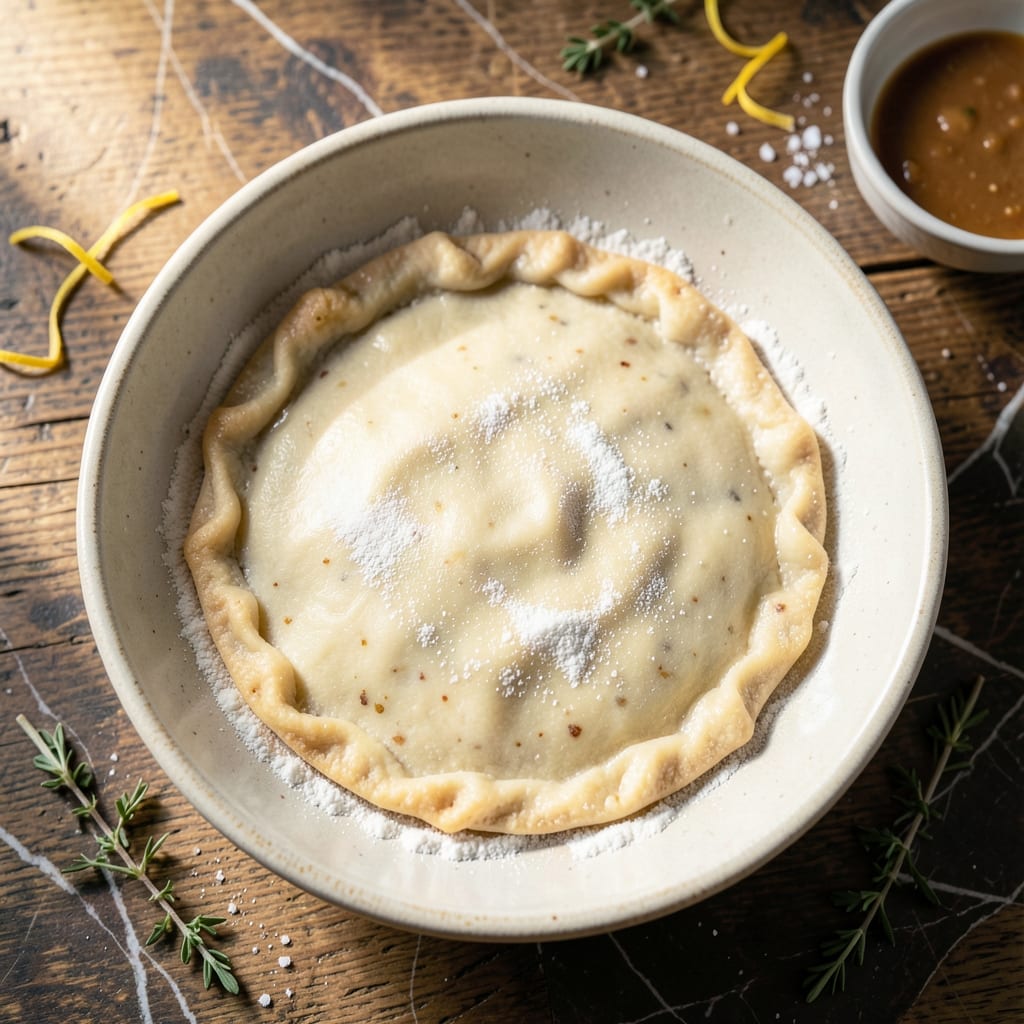
This pie crust delivers extra flaky layers that stay crisp even after frying—a game-changer for handheld pies. The secret lies in cold ingredients and minimal handling to create the perfect texture that won’t fall apart in hot oil.
I developed this recipe after too many attempts resulted in greasy, soggy crusts. The solution was a higher ratio of fat to flour and resting the dough to prevent shrinking. Each bite maintains its structure while offering that coveted flaky crunch.
Fry at 350°F until golden for pies that hold their shape and taste as good as they look. The crust browns beautifully and provides a sturdy yet tender base for any filling you choose.
Whether you’re making apple, peach, or cherry, this crust ensures your fried pies will be the star of any gathering. The technique is simple but the results are anything but ordinary.
Ingredients for Pie Crust Recipe for Fried Pies
Cold fat and minimal handling create that flaky, sturdy crust for fried pies.
| Ingredient | Amount | Notes |
|---|---|---|
| All-Purpose Flour 🌾 | 3 cups | Plus extra for dusting |
| Unsalted Butter 🧈 | 1 cup | Cold, cut into cubes |
| Vegetable Shortening 🧈 | ½ cup | Cold, for extra flakiness |
| Ice Water 💧 | ½ cup | Plus more as needed |
| Granulated Sugar 🍚 | 1 tbsp | For subtle sweetness |
| Salt 🧂 | 1 tsp | Fine grain preferred |
| Apple Cider Vinegar 🍏 | 1 tbsp | For tenderness and flake |
| Large Egg 🥚 | 1 whole | Optional, for extra structure |
The fat is everything here. Cold unsalted butter and vegetable shortening give you those layers that stay crisp after frying. I grab Land O’Lakes butter and Crisco shortening at any grocery store—no need for fancy brands. Keep everything ice-cold until it hits the oil. The vinegar might seem odd, but it tenderizes the dough without affecting flavor (trust me on this one).
No shortening? All butter works but the layers won’t be as pronounced. Out of vinegar? Lemon juice at the same amount does the trick. Want it sweeter? Bump the sugar to 2 tbsp—great for fruit fillings. The egg is optional but helps with structure, especially for beginners. Skip it if you’re vegan, but add 1 extra tbsp of ice water to compensate.
Dough keeps wrapped in plastic for 2 days in the fridge, or freeze for 1 month. Let it sit at room temp for 10 minutes before rolling if chilled. Fried pies are best eaten fresh, but leftovers reheat well in a 350°F oven for 5-10 minutes.
Why You’ll Love This Recipe
- No Fuss Dough: I can mix this in one bowl with just flour, butter, shortening, and ice water—no chilling required.
- Buttery Crisp: The combo of butter and shortening gives that flaky, golden crunch with a hint of sweetness from the sugar.
- Fairground Favorite: I fry these up for picnics, bake sales, or just because—my kids beg for them year-round.
- Pocket Change: A handful of pantry staples and 10 minutes of work yields a batch of pies that stretch a dollar further than store-bought.
Step-by-Step Instructions for Pie Crust for Fried Pies
This method delivers the flakiest layers that stay crisp even when fried to golden perfection.
Step 1: Cut in the Cold Fats
In a large bowl, whisk together the 3 cups All-Purpose Flour, 1 tbsp Granulated Sugar, and 1 tsp Salt. The sugar adds subtle sweetness that balances the richness of the fats. Add the 1 cup Unsalted Butter (cold and cubed) and 0.5 cup Vegetable Shortening (also cold) to the flour mixture.
Using a pastry cutter or your fingers, work the fats into the flour until the mixture resembles coarse crumbs with pea-sized pieces of butter and shortening still visible. This is crucial—those visible fat pieces create the flaky layers. Don’t overwork it; you want cold fat distributed evenly, not melted into the flour.
Step 2: Bind with Vinegar and Egg
Create a well in the center of the flour mixture. Add the 1 tbsp Apple Cider Vinegar and 1 whole Large Egg. The vinegar tenderizes the gluten for extra flake, while the egg adds structure to hold up to frying. Whisk these together lightly in the well before adding any liquid.
Pour in the 0.5 cup Ice Water and use a fork to gently combine, starting from the center and working outward. The dough will look shaggy—that’s perfect. Stop mixing as soon as the dough just comes together. Too much water or handling makes tough crust, and we want this light and tender.
Step 3: Chill and Relax the Dough
Turn the dough onto a lightly floured surface and divide it into two equal portions. Gently shape each into a disk—this makes rolling easier later. Wrap both disks in plastic wrap and refrigerate for at least 1 hour (or up to 2 days).
This resting time lets the gluten relax, preventing shrinking when you roll it out. The cold also keeps the fats solid, which is key for those flaky layers. If you’re in a hurry, you can freeze the dough for 20 minutes, but don’t skip the chill entirely.
Step 4: Roll and Cut for Frying
On a well-floured surface, roll one disk of dough to about ⅛-inch thickness. The dough should be even—use a ruler if you’re unsure. For fried pies, cut the dough into 6-inch circles using a bowl or round cutter. You should get about 8 circles per disk, enough for 4 double-crust pies.
As you work, if the dough starts to stick, dust with more flour but avoid over-flouring, which can make the crust dry. Keep the dough you’re not working with in the fridge. The circles are ready to fill and fry, or you can stack them between parchment paper and refrigerate until needed.
Pro Tips For Making Pie Crust Recipe For Fried Pies
- Chill the Fat: Keep your butter and shortening ice-cold until the last second—I learned this the hard way after my first few crusts turned into greasy puddles in the fryer.
- Use Half and Half: The combo of butter and shortening gives you flakiness from the butter and crispness from the shortening—my grandmother swore by this, and she was right.
- Skip Warm Water: Ice water is non-negotiable; even slightly warm water will start melting the fat before you’ve finished mixing, and that’s a one-way ticket to tough crust.
- Rest Before Frying: Give the dough a solid 30 minutes in the fridge after rolling—sounds tedious, but it relaxes the gluten and keeps the pies from shrinking in the oil.
Dietary Considerations for This pie crust recipe for fried pies
Gluten-Free Option
Swap all-purpose flour for a 1:1 gluten-free baking blend like King Arthur Measure for Measure. Add ½ tsp xanthan gum to help bind the dough. The texture will be slightly different but still flaky and delicious. 💪
Dairy-Free Version
Replace unsalted butter with cold coconut oil or vegan butter like Miyoko’s. Use cold vegetable shortening as written. Ensure all ingredients are chilled to maintain the flaky layers.
Vegan Adaptation
Skip the large egg and use 1 extra tbsp ice water for binding. The apple cider vinegar helps tenderize without dairy or eggs. This version works well for plant-based fillings.
Lower-Fat Alternative
Reduce the butter to ½ cup and use ¼ cup Greek yogurt for moisture. The dough will be slightly less flaky but still sturdy for frying. Avoid overworking to prevent toughness.
Sugar-Free Crust
Omit the granulated sugar entirely for a savory option. Add ½ tsp salt extra to balance flavors. Perfect for savory fillings like chicken pot pie or cheese. 🌟
Allergen Note
This recipe contains gluten, dairy, and eggs. For nut allergies, ensure your shortening is nut-free. Always check labels on all ingredients for cross-contamination warnings.
Nutrition Facts
Frequently Asked Questions
Why does the dough need to rest before rolling?
Resting relaxes the gluten, preventing shrinking when rolled. It also keeps fats solid for flaky layers. Chill for at least 1 hour for best results.
Can I use only butter instead of shortening?
Yes, but the layers won’t be as pronounced. Use 1.5 cups cold butter and keep everything ice-cold. Shortening adds extra flakiness.
What’s the best oil for frying?
Use a high-smoke-point oil like vegetable, canola, or peanut. Maintain 350°F for even browning without burning. Avoid olive oil.
How do I prevent my pies from absorbing too much oil?
Fry in small batches and maintain 350°F oil temperature. Overcrowding lowers the temp, causing greasy pies. Drain on paper towels.

- Pina Colada Dip Recipe Red Lobster: Tropical Creaminess With Toasted Coconut - October 12, 2026
- Pickled Sweet Cherry Peppers Recipe Canning: Tangy Heat for Pantry Staples - October 12, 2026
- Peppercorn Sauce Recipe Vegan: Rich Umami Depth Without Cream - October 12, 2026