
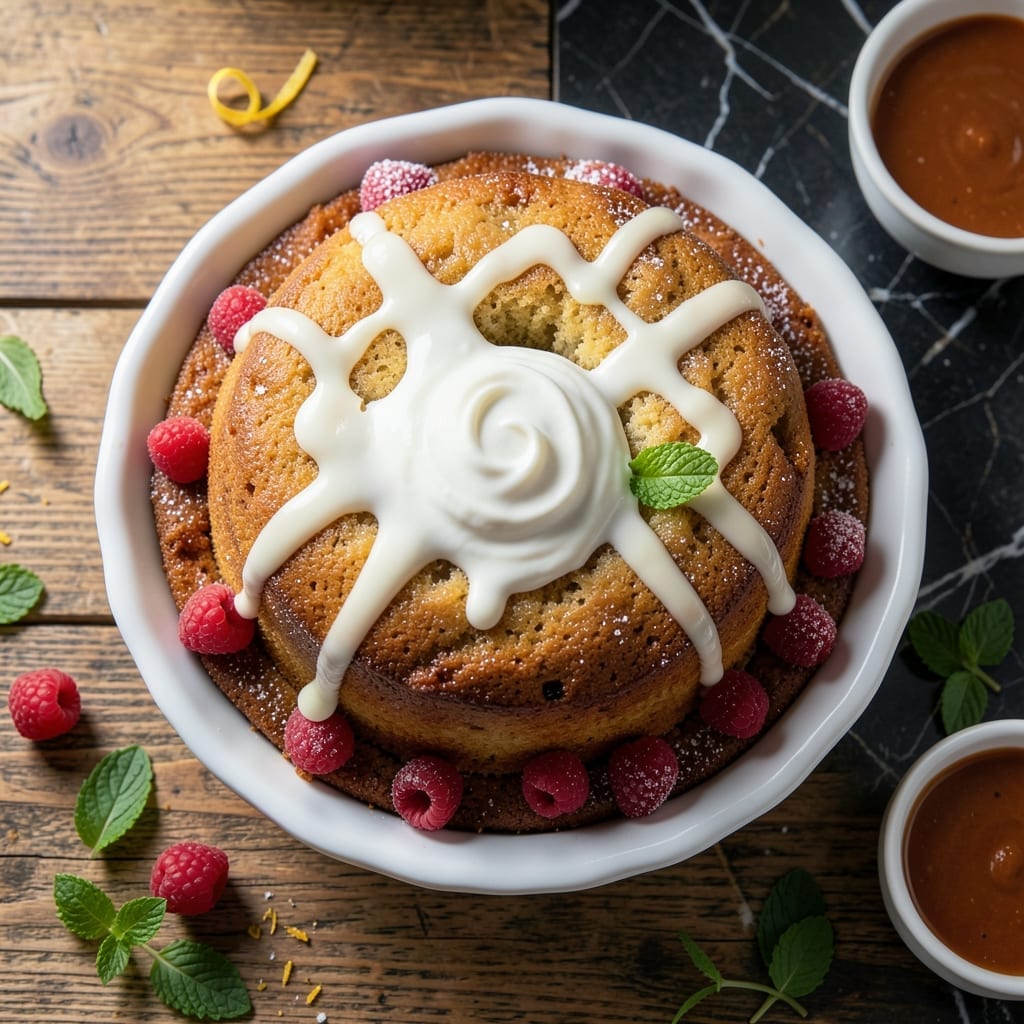
This Southern classic elevates traditional pound cake with the rich addition of heavy cream, creating a texture that’s impossibly moist yet still sturdy enough to hold its shape. I’ve tested countless variations, and this version stands apart for its velvety crumb and buttery depth.
The secret lies in the cream’s fat content, which tenderizes the cake while adding a subtle richness that complements the vanilla and butter. Unlike standard recipes, this method ensures a golden crust without sacrificing the dense, fine grain that defines a proper pound cake.
You’ll find the baking process straightforward, with precise measurements and a consistent oven temperature that guarantees even rising. The result is a cake that’s perfect for any occasion, from afternoon tea to holiday desserts.
Serve it plain, dusted with powdered sugar, or paired with fresh berries. This creation delivers on its promise of Southern tradition with every slice.
Ingredients for Paula Deen Pound Cake Recipe with Heavy Cream
Classic Southern ingredients come together for that signature rich, velvety texture everyone loves.
| Ingredient | Amount | Notes |
|---|---|---|
| All-Purpose Flour 🌾 | 3 cups | Sifted, spooned and leveled |
| Unsalted Butter 🧈 | 1 ½ cups | Room temperature, softened |
| Granulated Sugar 🍚 | 3 cups | Fine white granulated |
| Large Eggs 🥚 | 6 whole | Room temperature preferred |
| Heavy Cream 🥛 | 1 cup | Full-fat, cold from fridge |
| Pure Vanilla Extract 🌿 | 2 tsp | Real vanilla, not imitation |
| Baking Powder 🧂 | 1 tsp | Fresh for best rise |
| Salt 🧂 | ½ tsp | Fine table salt |
| Butter Flavor Shortening 🧈 | ½ cup | For extra tenderness |
| Whole Milk 🥛 | ¼ cup | Optional for adjustment |
The heavy cream is non-negotiable here—look for at least 36% fat content at any grocery store. I grab mine from Publix or Walmart in the dairy aisle. The butter needs to be real unsalted (not margarine) for that deep, authentic flavor. For the flour, King Arthur all-purpose is my go-to—consistent quality every time.
No heavy cream? Whole milk plus melted butter in a 3:1 ratio gets you close. Out of vanilla extract? One vanilla bean scraped works beautifully (or use vanilla bean paste at half the amount). For extra richness, brown the butter first—adds a nutty depth that’s pure Southern comfort.
This cake stays moist for 5 days wrapped tight at room temperature. Freeze slices for up to 3 months (thaw on the counter). Always let ingredients come to room temp first—don’t rush this part.
Why You’ll Love This Recipe
- One Bowl Wonder: I just dump everything in, mix, and pour—no fancy steps, just buttery goodness with heavy cream making it extra rich.
- Buttery Heaven: The combo of real butter and heavy cream gives this cake that melt-in-your-mouth texture I can’t resist.
- Crowd Pleaser: From potlucks to Sunday suppers, this pound cake disappears fast—my nieces even beg for the crusty edges.
- Stays Fresh: Honestly, it tastes just as good on day three, which is rare for homemade cakes.
Step-by-Step Instructions for Paula Deen’s Pound Cake With Heavy Cream
Here’s the method that delivers that signature dense, buttery crumb with a tender richness.
Step 1: Cream Butter, Shortening, and Sugar
In a large mixing bowl, beat the 1.5 cups unsalted butter and 0.5 cup butter flavor shortening together on medium speed until smooth and creamy. This combination gives you the best of both worlds—rich butter flavor with extra tenderness from the shortening.
Gradually add the 3 cups granulated sugar, beating for 5-7 minutes until the mixture is light and fluffy. You’re looking for a pale color and a texture that holds peaks when you lift the beaters. Don’t rush this step; proper creaming incorporates air that makes the cake light despite its density.
Step 2: Incorporate Eggs and Flavorings
Add the 6 whole large eggs one at a time, beating well after each addition. I crack each egg into a small bowl first to avoid shell fragments. The mixture should look smooth and slightly thickened after each egg is fully incorporated.
Once all eggs are in, add the 2 tsp pure vanilla extract and mix for 30 seconds until evenly distributed. The batter will have a beautiful pale yellow color and a silky texture. Real talk: imitation vanilla just won’t give you that deep, warm flavor that defines a proper Southern pound cake.
Step 3: Combine Dry Ingredients and Alternate with Heavy Cream
In a separate bowl, whisk together the 3 cups all-purpose flour, 1 tsp baking powder, and 0.5 tsp salt. This ensures even distribution of leavening agents. I always sift my flour first for the lightest possible texture in the final cake.
With the mixer on low speed, add the dry ingredients to the butter mixture in three additions, alternating with the 1 cup heavy cream, beginning and ending with the flour mixture. Mix just until each addition is incorporated—overmixing creates a tough cake. The batter will be thick but pourable, with a glossy sheen from the fat.
Step 4: Adjust Consistency and Prepare Pan
Check the batter’s consistency. If it seems too thick, add the 0.25 cup whole milk a tablespoon at a time until it reaches the perfect ribbony texture. I don’t always need the full amount, but having it on hand ensures you can adjust as needed.
Generously grease a 10-12 cup Bundt pan with butter and dust with flour, tapping out any excess. This traditional preparation creates a beautiful crust and ensures the cake releases cleanly. Pour the batter into the prepared pan and smooth the top with a spatula.
Step 5: Bake and Cool for Perfect Texture
Preheat your oven to 325°F. Bake the cake for 1 hour and 20 minutes to 1 hour and 30 minutes, or until a long skewer inserted into the center comes out clean. The low temperature prevents the outside from browning too quickly while the inside cooks through.
Let the cake cool in the pan for 15 minutes, then invert it onto a wire rack to cool completely. This cooling period allows the cake to set properly and develop its characteristic dense-yet-tender crumb. Slice only when completely cooled to maintain clean edges and that perfect pound cake texture.
Pro Tips For Making Paula Deen Pound Cake Recipe With Heavy Cream
- Cream the Butter Longer: Beat the butter and sugar for a full 5-7 minutes until it’s pale and fluffy—I learned this the hard way after my first few cakes came out dense.
- Warm the Heavy Cream: Take the heavy cream out 30 minutes before using so it blends smoothly into the batter without clumping.
- Skip Overmixing: Fold in the flour just until it disappears; overmixing makes the cake tough, and I ruined a batch by stirring too much.
- Use Room Temp Eggs: Let the eggs sit out for 20-30 minutes first—they’ll whip up better and give you a lighter crumb.
Troubleshooting This Recipe
Dense or Dry Cake
If your cake turns out dense or dry, the culprit is usually overmixing or improper creaming. Beat the butter and sugar for a full 5-7 minutes until pale and fluffy—this incorporates air. Also, alternate dry ingredients and heavy cream carefully, mixing just until combined. 💡
Cake Sinks in Middle
This often happens when the oven temperature is too high or the pan is too small. Use a 10-12 cup Bundt pan and ensure your oven is calibrated to 325°F. Opening the oven door too early can also cause the center to collapse.
Tough Crumb Texture
Overmixing develops gluten, which makes pound cake tough. Mix on low speed and stop as soon as the flour disappears. The heavy cream helps tenderize, but it can’t compensate for excessive mixing.
Browning Too Quickly
If the top browns before the center cooks, tent loosely with aluminum foil. This usually occurs after 45-60 minutes of baking. The low temperature should prevent this, but ovens vary.
Cake Sticks to Pan
Even with greasing, pound cakes can stick due to their density. Use butter and flour for the pan, not cooking spray. Let the cake cool for exactly 15 minutes before inverting onto a wire rack. 🥛
Uneven Baking
For consistent results, place the pan in the center of the oven. Rotate the pan 180 degrees halfway through baking if your oven has hot spots. This ensures even heat distribution.
Nutrition Facts
Frequently Asked Questions
Why use heavy cream instead of milk?
Heavy cream adds richness and moisture due to its high fat content. This creates a denser, more velvety texture compared to milk. The fat also helps the cake brown beautifully.
Can I substitute the heavy cream?
Use whole milk plus 2 tablespoons melted butter per 1 cup for a close alternative. Sour cream or Greek yogurt can work but may alter the flavor slightly.
How long should I beat the butter and sugar?
Beat for 5-7 minutes until pale and fluffy. This step is crucial for incorporating air, which keeps the cake light despite its density.
What if my cake sticks to the pan?
Always grease with butter and dust with flour. Let it cool for exactly 15 minutes before inverting. This method works better than cooking spray for dense cakes.

- Bluefin Tuna Recipe Ideas: Sushi-Grade Seared and Sesame-Crusted - September 28, 2026
- Blue Zone Recipe Ideas: Longevity-Boosting Meals for Vibrant Living - September 28, 2026
- Beefaroni Recipe With Tomato Soup: One-Pot Nostalgic Comfort - September 28, 2026