
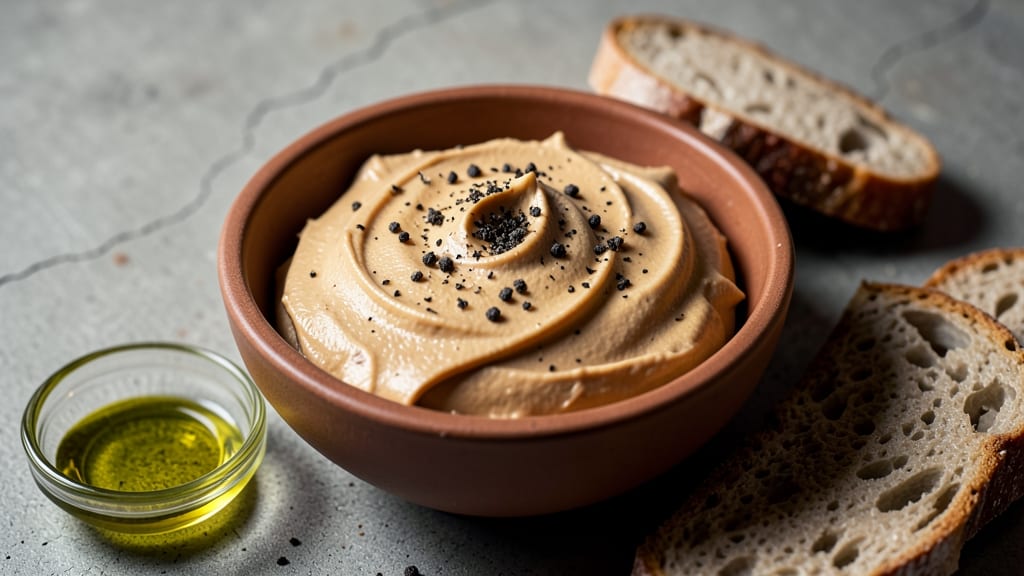
This peanut butter buttercream frosting recipe delivers the ultra-smooth, creamy swirls you crave for cupcakes and cakes—no lumps, no graininess, just velvety perfection. I’ve perfected this recipe over years of decorating, and the secret lies in tempering the peanut butter properly while maintaining the right butter-to-cream ratio for stability.
The result? A frosting that pipes beautifully, holds its shape, and tastes like a decadent peanut butter dream.
What sets this frosting apart is its foolproof texture—no need for stabilizers or fancy equipment. The key is mixing softened butter and powdered sugar to a light, airy consistency before gradually adding peanut butter and heavy cream.
This method ensures a smooth finish every time, even when swirled or piped. It’s rich enough to satisfy peanut butter lovers but light enough to decorate without sinking into cakes.
Once you taste this frosting, you’ll never go back to store-bought again. It’s versatile for everything from classic peanut butter cupcakes to elegant layered cakes, and it keeps beautifully in the fridge for up to a week.
The flavor is pure, nutty, and balanced—no artificial aftertaste, just real peanut butter goodness. Let’s make it.
For extra flair, add a drizzle of melted chocolate or sprinkle crushed peanuts on top. The possibilities are endless, but the foundation is always the same: creamy, smooth, and impossible to resist. Ready to elevate your desserts?
Ingredients for peanut butter buttercream frosting
Just butter, sugar, and peanut butter—transformed into velvety swirls for cupcakes and cakes.
| Ingredient | Amount | Notes |
|---|---|---|
| Unsalted Butter 🧈 | 1 cup | Softened to room temperature |
| Powdered Sugar 🍚 | 3 cups | Sifted for smooth texture |
| Creamy Peanut Butter 🥜 | 1 ½ cups | Natural, no added sugar |
| Heavy Whipping Cream 🥛 | ½ cup | Cold, whipped to stiff peaks |
| Vanilla Extract 🍃 | 1 tsp | Pure, high-quality vanilla |
| Mild Milk 🥛 | 1 tbsp | For adjusting consistency |
| Diamond Crystal Kosher Salt 🧂 | ¼ tsp | Fine grain for delicate flavor |
| Melted Dark Chocolate 🍫 | ¼ cup | Optional for drizzling (70% cocoa) |
The butter and powdered sugar are your foundation. Use unsalted butter—it gives you control over the salt level—and make sure it’s softened but not melted. Powdered sugar from the bulk bins (like Domino) is cheaper and just as smooth. The peanut butter? Natural, no-stir brands like Smucker’s work best—they’re creamier and don’t have that chalky aftertaste. If you’re using the kind with oil separation, give it a quick stir before measuring. The heavy cream needs to be cold—straight from the fridge—and whipped to stiff peaks before folding in. That’s what gives the frosting its light, airy texture.
No heavy cream? Whipped topping or Cool Whip works in a pinch, but it won’t hold up as well for piping. Short on powdered sugar? Granulated sugar at half the amount is a hack, but you’ll need to add an extra splash of milk to compensate. Want to skip the vanilla? Vanilla bean paste adds depth, or a pinch of cinnamon for warmth. The salt is non-negotiable—it balances the sweetness and enhances the peanut butter flavor. And if you’re drizzling chocolate, use high-quality dark chocolate (like Ghirardelli)—it melts smoother and tastes richer.
This frosting keeps beautifully in the fridge for up to 1 week, covered tightly with plastic wrap pressed against the surface. If it gets too firm, let it sit at room temperature for 10 minutes before re-whipping. For extra flair, pipe it into a bag with a star tip for swirls, or spread it between layers of cake. It freezes for 3 months if you want to make it ahead—just thaw it overnight in the fridge before using. And if you’re feeling fancy, add a sprinkle of crushed peanuts or a drizzle of melted chocolate on top before serving.
Why You’ll Love This Recipe
- No-Fuss Mixing: I’ve got a stand mixer, but honestly, even if I didn’t, this frosting is that forgiving. The key is just beating the softened unsalted butter until it’s light and fluffy—no fancy techniques, just a few minutes of patience. Then, adding the powdered sugar and creamy peanut butter in small batches keeps things smooth without the chaos.
- Peanut Powerhouse: That 1.5 cups of natural peanut butter isn’t just flavor—it’s the star. The salt from the diamond crystal kosher salt cuts through the sweetness just enough to make it addictive, while the heavy whipping cream adds a velvety richness. Trust me, the vanilla extract ties it all together like a pro.
- Decorate Anything: This frosting isn’t picky. Pipe it onto cupcakes, spread it on a sandwich cake, or even drizzle melted dark chocolate over it for a showstopper. It’s my go-to for birthday treats, potlucks, or even a lazy Sunday dessert. No occasion feels too small for it.
- Fridge-Friendly Leftovers: I always make extra because it keeps for up to a week in the fridge—covered tight, of course. And if you’re prepping ahead? Freeze it for up to 3 months. Just thaw it overnight, give it a quick re-whip, and boom: ready to go. Budget-friendly, too, since you’re using pantry staples like powdered sugar and peanut butter.
Step-by-step instructions for peanut butter buttercream frosting
Here’s the method for silky-smooth frosting that swirls like a dream.
Whip the Butter to Light and Fluffy
In a stand mixer fitted with the paddle attachment, beat the 1 cup unsalted butter on medium speed until completely smooth and free of lumps. This usually takes about 3-4 minutes. You’re looking for a pale, creamy texture that nearly doubles in volume. The butter should look like whipped cream rather than solid chunks.
Here’s the thing—if your butter has any graininess at this stage, it won’t dissolve properly later. I like to press down on the butter with a spatula during the first minute to break up any clumps. This ensures we start with a completely smooth base for our frosting.
Gradually Add Powdered Sugar and Peanut Butter
With the mixer running on low speed, slowly add the 3 cups powdered sugar and 1½ cups creamy peanut butter. I add them alternately in small batches—about ½ cup powdered sugar followed by ⅓ cup creamy peanut butter at a time—to prevent sugar from flying everywhere and to help the peanut butter incorporate smoothly.
After each addition, increase the speed to medium and mix for 30 seconds. You’ll notice the mixture thickens significantly as the peanut butter and sugar combine with the butter. If it looks too stiff at this point, don’t worry—we’ll adjust the consistency in the next step. The key is patience here; rushing makes the frosting grainy.
Incorporate Cream, Vanilla, and Salt
Add the ½ cup heavy whipping cream, 1 tsp vanilla extract, and ¼ tsp diamond crystal kosher salt to the mixer. Beat on medium-high speed for 2-3 minutes until the frosting is light, fluffy, and completely smooth. The salt might seem like a tiny amount, but it balances the sweetness and enhances the peanut flavor.
At this stage, the frosting should be thick but still pipeable. If it’s too stiff, add the 1 tbsp mild milk one tablespoon at a time until it reaches the perfect swirlable consistency. You want it to hold its shape when piped but still be smooth enough to create those beautiful rosettes and swirls on cupcakes.
Optional Chocolate Drizzle (For Extra Decadence)
Melt the ¼ cup melted dark chocolate in a double boiler or microwave until completely smooth. Let it cool slightly—about 2 minutes—so it’s still pourable but not hot enough to melt the frosting. Drizzle over assembled cupcakes or cakes just before serving for a beautiful contrast.
Here’s a pro tip: If you’re making this ahead, cover the frosting with plastic wrap pressed directly against the surface to prevent a skin from forming. Store in the fridge for up to 3 days or freeze for up to 1 month. Bring it to room temperature and re-whip briefly before using to restore that perfect texture.
Pro Tips For Making Peanut Butter Buttercream Frosting
- Soften Butter Properly: Unsalted butter straight from the fridge will fight you—let it sit at room temperature for 30-45 minutes until it’s soft enough to press a finger into but not greasy. I learned this the hard way when my first batch turned into a greasy mess because the butter was too cold (and yes, microwaving it in 5-second bursts works in a pinch, but it’s less reliable).
- Sift That Powdered Sugar: Clumps in powdered sugar are the silent killer of smooth frosting. Sift it directly into your mixing bowl before adding anything else—this cuts down on lumps and makes blending effortless. Skipping this step means you’ll be scraping the sides of your mixer for what feels like forever.
- Whip the Cream First: Beat the heavy whipping cream to stiff peaks before adding it to the butter mixture. This ensures your frosting stays light and fluffy instead of turning into a dense, peanut-buttery brick. Trust me, your piping bags will thank you later.
- Use Equal Parts Creamy PB: Creamy peanut butter is your friend here—chunky or crunchy will clog your piping bag and make your frosting grainy. Stick to the same weight (or volume) of creamy PB as your butter, and avoid brands with oil separation unless you’re okay with a slightly thinner consistency.
Make-ahead tips for peanut butter buttercream frosting
Prep-Ahead Strategy
Make this frosting a day ahead—it actually tastes better after overnight chilling! The flavors meld more deeply, and the texture becomes even smoother. I like to prepare it the night before baking so I can focus on decorating the next day.
Just cover it tightly with plastic wrap pressed directly against the surface to prevent a skin from forming. 💫
Freezing for Future Bakes
This frosting freezes beautifully for up to 3 months without losing quality. I freeze it in 1-cup portions using silicone molds for easy portioning later. When you’re ready to use it, thaw overnight in the fridge, then re-whip for 1-2 minutes to restore its silky texture.
This is my go-to method for holiday baking when I want to save time.
Room Temperature Adjustments
If your frosting gets too firm after refrigeration, don’t panic! Simply let it sit at room temperature for 10-15 minutes before re-whipping. For extra softness, add ½ teaspoon of warm water or 1 teaspoon of milk while mixing. This works wonders for frosting that’s been in the fridge too long.
Decorating Prep
For showstopping cupcakes, prepare your piping bag and tip the night before. Fill it with frosting, seal it tightly with plastic wrap, and store in the fridge.
When you’re ready to decorate, simply twist off the tip and pipe away. This saves precious decorating time when you’re ready to serve. 🎨
Make-Ahead Desserts
Frost your cupcakes or cake 2-3 hours before serving to let the flavors settle. This gives the frosting time to meld with the cake layers or cupcake bases.
If you’re making a layered cake, assemble it the day before and refrigerate—this prevents soggy layers and ensures perfect texture when you’re ready to serve.
Nutrition facts
Frequently asked questions
Why does my peanut butter frosting keep turning grainy?
Graininess usually happens when you rush the mixing process or don’t properly incorporate ingredients. Always add the powdered sugar and peanut butter gradually in small batches while mixing on low speed. Also, make sure your butter is completely softened (not melted) and your peanut butter is smooth and creamy before starting. Patience is key—mix for the full 2-3 minutes at the end for that silky texture!
Can I use regular peanut butter instead of creamy peanut butter?
Regular peanut butter can work in a pinch, but it might make the frosting denser and less smooth. The creamy peanut butter in this recipe is specifically chosen for its texture—it blends more easily and creates that velvety finish. If you must use regular peanut butter, mix it well to break up any oil separation before adding it to the bowl.
How do I fix frosting that’s too thick to pipe?
If your frosting becomes too stiff, simply add 1 tablespoon mild milk at a time while mixing until you reach your desired consistency. Start with ½ tablespoon and check the texture before adding more. This happens most often when the frosting sits too long in the fridge—just re-whip it for 1-2 minutes after letting it sit at room temperature for 10 minutes.
Can I make this frosting without heavy whipping cream?
Yes! While the heavy whipping cream adds lightness and fluffiness, you can substitute it with whipped topping or Cool Whip for a slightly less stable texture. For an even lighter frosting, try adding ½ cup whipped egg whites (whipped to stiff peaks) instead. The flavor will be slightly different, but the consistency will still work beautifully for spreading.
Why does my frosting taste too sweet?
The ¼ teaspoon kosher salt in this recipe is crucial—it balances the sweetness and enhances the peanut flavor. If your frosting still tastes overly sweet, try reducing the powdered sugar by about ¼ cup next time, or add a tiny pinch more salt. The salt might seem like a small amount, but it makes a big flavor difference! Taste as you go to adjust to your preference.

- White Peppered Gravy Recipe: Silky-Smooth Sauce for Roasted Meats - November 29, 2026
- James Martin’s Cottage Pie Recipe: Flaky Pastry Over Hearty Beef Filling - November 29, 2026
- Sweet Grissini Recipe: Crispy Twists With Honey-Glazed Bite-Sized Magic - November 29, 2026