
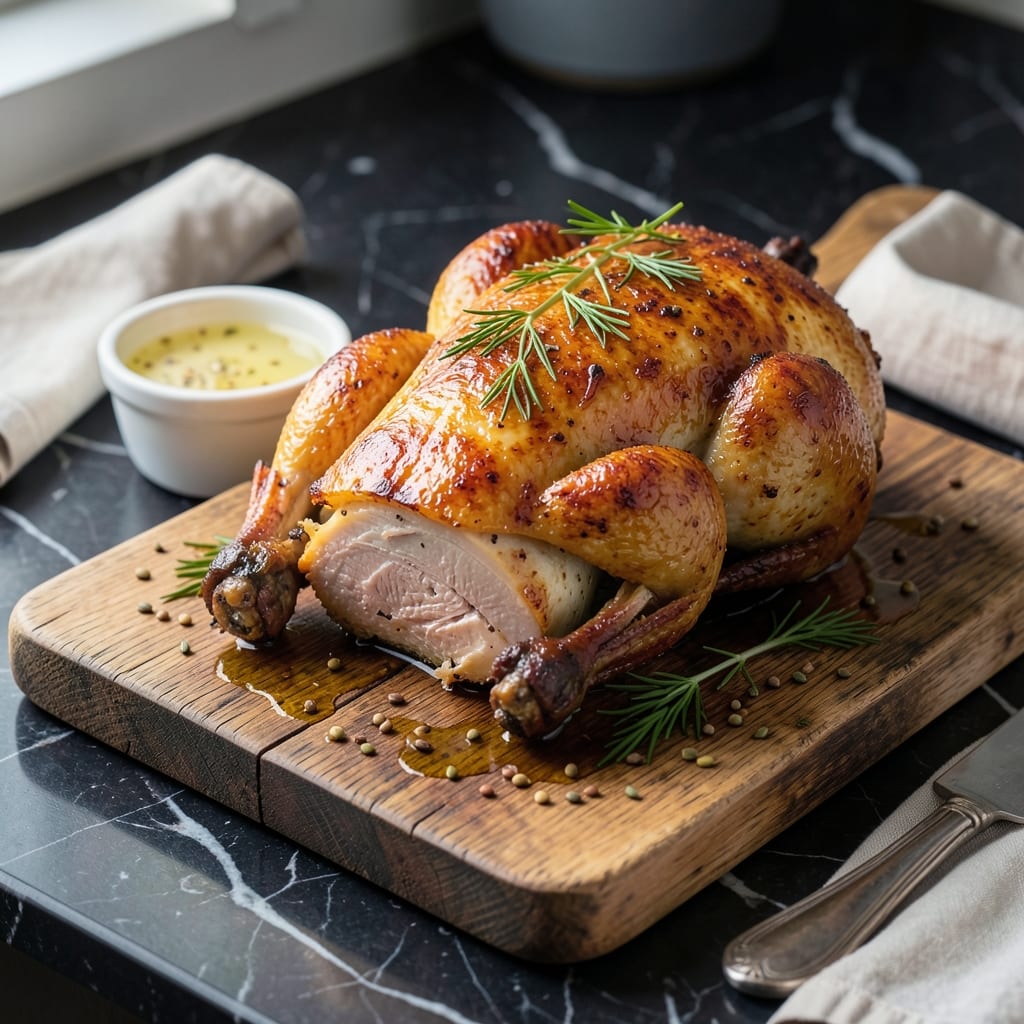
This brine transforms ordinary chicken into juicy, flavor-packed protein with minimal effort. The secret lies in the tangy vinegar base balanced with salt and sugar, which tenderizes while infusing every bite with brightness.
I developed this recipe after years of experimenting with marinades that either overpowered or under-delivered. The ratio of ingredients creates a solution that seasoning deeply without drying out the meat, even during longer soaks.
Use it for grilling, baking, or frying—this versatile brine works with any cooking method. The acidity helps break down proteins, ensuring moisture stays locked in as the chicken cooks.
Store extra brine in the fridge for up to a week, ready to elevate your next batch of chicken.
Ingredients for Pickle Brine Recipe for Chicken
Ten ingredients create a tangy, protein-tenderizing brine with bright, balanced flavors.
| Ingredient | Amount | Notes |
|---|---|---|
| White Vinegar 💧 | 2 cups | Distilled, 5% acidity preferred |
| Water 💧 | 2 cups | Filtered or distilled |
| Kosher Salt 🧂 | ½ cup | Diamond Crystal preferred |
| Granulated Sugar 🍚 | ¼ cup | White granulated for balance |
| Dill Seeds 🌿 | 1 tbsp | Whole seeds for texture |
| Mustard Seeds 🌿 | 1 tbsp | Yellow or brown variety |
| Black Peppercorns 🌶️ | 1 tbsp | Whole, lightly crushed |
| Dried Bay Leaves 🍃 | 2 pieces | Turkish or California |
| Garlic Cloves 🧄 | 4 cloves | Smashed, peeled |
| Red Pepper Flakes 🔥 | ½ tsp | Adjust for heat preference |
The vinegar base is critical—Heinz distilled white vinegar delivers consistent 5% acidity. Kosher salt dissolves more uniformly than table salt, and Diamond Crystal is the professional standard (use half the amount if substituting table salt). Whole spices like dill seeds and mustard seeds release flavor slowly during the brine. Most grocery stores carry these in the spice aisle.
No dill seeds? Dried dill weed at one-third the amount works in a pinch, though the texture differs. Swap mustard seeds for ground mustard at one-fourth the volume. For a milder brine, reduce red pepper flakes or omit entirely. If you lack bay leaves, a pinch of ground allspice adds depth. Always use filtered water to avoid mineral flavors interfering with the brine.
Brine keeps for 1 week refrigerated in a sealed container. The flavors intensify over 24 hours, so make it ahead. Strain out solids before using if you prefer a clear brine, but leaving them in adds rustic character. Discard after 1 week—the acidity breaks down over time.
Why You’ll Love This Recipe
- Five-Minute Mix: I just stir vinegar, water, salt, sugar, and dill seeds in a pot—no chopping, no fuss.
- Tangy, Juicy Bite: The brine gives the chicken that bright, dill-kissed zing that keeps me reaching for seconds.
- Meal Prep Hero: I brine a big batch on Sunday and roast or grill it all week for lunches and dinners.
- Penny-Wise Flavor: A handful of pantry staples turns cheap chicken into something restaurant-worthy.
Step-by-Step Instructions for Pickle Brine for Chicken
This method ensures maximum flavor penetration and juiciness for your chicken every time.
Step 1: Combine Vinegar and Water Base
In a medium saucepan, pour in the 2 cups White Vinegar and 2 cups Water. This liquid foundation creates the acidic environment that tenderizes the chicken while infusing it with tangy brightness.
Place the saucepan over medium-high heat and bring to a gentle simmer. You want small bubbles breaking the surface, not a rolling boil—this prevents evaporating too much liquid before you add the remaining ingredients.
Step 2: Dissolve Salt and Sugar Completely
Add the 0.5 cup Kosher Salt and 0.25 cup Granulated Sugar to the simmering liquid. Stir continuously with a wooden spoon until both are fully dissolved—this usually takes 2-3 minutes.
Watch for the mixture to become clear with no visible salt crystals or sugar granules. This dissolution is critical; undissolved salt can create uneven curing and potential texture issues in your chicken. The sugar balances the acidity and adds subtle sweetness to complement the savory notes.
Step 3: Toast and Bloom the Whole Spices
Add the 1 tbsp Dill Seeds, 1 tbsp Mustard Seeds, and 1 tbsp Black Peppercorns to the hot brine. Lightly crush the peppercorns if not already crushed to release their aromatic oils.
Let these spices simmer in the brine for 3-4 minutes until fragrant. The heat coaxes out their essential oils, creating a deeply aromatic base. You’ll notice the liquid taking on a slightly cloudy appearance as the spices infuse. This step builds the complex flavor profile that defines a proper pickle brine.
Step 4: Add Aromatics and Final Seasoning
Add the 2 pieces Dried Bay Leaves, 4 cloves Garlic Cloves (smashed and peeled), and 0.5 tsp Red Pepper Flakes to the brine. The garlic should be slightly bruised to maximize flavor extraction without falling apart.
Remove the saucepan from heat and let the brine steep at room temperature for 10-15 minutes. This allows the aromatics to infuse without overcooking the garlic. The bay leaves will unfurl slightly, and the red pepper flakes will lend a subtle heat that complements the tangy acidity. The liquid should now have a vibrant, golden hue.
Step 5: Cool Completely Before Using
Pour the hot brine through a fine-mesh strainer into a heatproof container or directly over your chicken in a resealable bag. Discard the solids—you’ve extracted all their flavor into the liquid.
Let the brine cool completely to room temperature before using, which takes about 1 hour at room temperature or 30 minutes in an ice bath. Using cool brine prevents cooking the chicken prematurely. The finished brine should be clear with a pronounced tangy aroma and subtle spice notes. This ensures your chicken stays juicy while absorbing maximum flavor during its marinating time.
Pro Tips For Making Pickle Brine Recipe For Chicken
- Boil the Brine: Bring the vinegar, water, salt, and sugar to a full boil first—this ensures the salt and sugar dissolve completely and the dill seeds release their flavor. I learned this the hard way after finding undissolved sugar crystals clinging to my chicken.
- Cool Completely: Never add chicken to hot brine. Let it cool to room temperature first, or you’ll end up with partially cooked meat and a sad, overpowering vinegar taste.
- Use Kosher Salt: Stick with kosher salt, not table salt—the coarse grains dissolve evenly and give you consistent seasoning. After ruining a batch with iodized salt, I never strayed again.
- Toast the Dill Seeds: Sounds weird, but it works: lightly toast the dill seeds in a dry pan for 30 seconds before adding them to the brine. It wakes up their aroma and makes the pickle flavor pop.
Dietary Considerations for These Flavors
Gluten-Free Friendly
This brine contains no gluten ingredients, making it naturally safe for anyone with celiac disease or gluten sensitivity. All components—vinegar, salt, sugar, and spices—are inherently gluten-free. Always verify your vinegar brand, as some distilled vinegars may be processed in facilities with gluten grains.
Low-Sodium Option
To reduce sodium, cut the kosher salt by half and replace it with 1 tbsp of salt-free seasoning blend. The brine will still tenderize effectively, though the flavor may be slightly milder. I often use Mrs. Dash for this purpose—it adds depth without extra salt. 💡
Sugar-Free Adaptation
For a sugar-free version, replace granulated sugar with 1-2 tbsp of erythritol or monk fruit sweetener. These alternatives dissolve similarly and provide the balancing sweetness without affecting blood sugar. The brine will still caramelize slightly when cooking.
Dairy-Free and Nut-Free
This recipe is naturally free from dairy and nuts, so it’s safe for those with allergies. No substitutions are needed—just follow the recipe as written. The tangy, savory profile comes entirely from plant-based ingredients, making it versatile for most dietary needs.
Vegan Brine Use
While designed for chicken, this brine works beautifully for tofu or vegetables too. Soak 1 lb of firm tofu for 30-60 minutes before grilling or baking. The acidity helps firm the tofu and infuse it with bold, pickled flavor—perfect for plant-based diets. 🌱
Allergen Note
Check mustard seed labels if you have a mustard allergy, as some brands process in facilities with other allergens. For complete safety, omit mustard seeds and increase dill seeds to 2 tbsp to maintain the aromatic profile.
Nutrition Facts
Frequently Asked Questions
How long should I brine the chicken?
For boneless pieces, 4-6 hours is ideal. For whole chickens or bone-in pieces, brine for 12-24 hours in the fridge. Never exceed 24 hours as the acidity can start breaking down the meat texture.
Can I reuse the brine for another batch?
No, it’s unsafe to reuse brine that’s had raw chicken in it. The brine absorbs bacteria from the meat. Always discard used brine and make a fresh batch for your next cooking session.
What if I don’t have dill seeds?
Use 1 tsp dried dill weed instead, or swap in 1 tbsp fresh dill. The flavor will be slightly different but still delicious. Mustard seeds can also be replaced with 1 tsp ground mustard.
Will this brine work for turkey?
The same ratios work well for turkey, especially for smaller cuts. For a whole turkey, you may need to double or triple the recipe to ensure complete coverage.

- BBQ Sausage Recipe Oven: Smoky Depth Without the Grill - September 28, 2026
- BBQ Chicken Bowl Recipe Rice: Smoky Sweetness Over Fluffy Grains - September 28, 2026
- Beef Cutlet Recipe Ideas: Crispy Breaded Patties With Bold Seasonings - September 28, 2026