
This pie crust recipe delivers flaky, buttery layers that hold up to any filling you choose. I developed this method after years of testing to find the perfect balance between tenderness and structure for a 10-inch pie.
The secret is using cold ingredients and minimal handling to create those coveted flaky layers. A combination of butter and shortening gives you the best of both worlds—rich flavor from the butter and extra flakiness from the shortening.
What you’ll get is a golden crust with distinct layers that shatter at the touch, yet remains sturdy enough to support even the juiciest fillings. The edges stay crisp while the bottom resists sogginess.
Perfect for fruit pies, custards, or cream fillings. This foundation elevates any pie to bakery-quality status.
Ingredients for Pie Crust Recipe for 10 Inch Pie
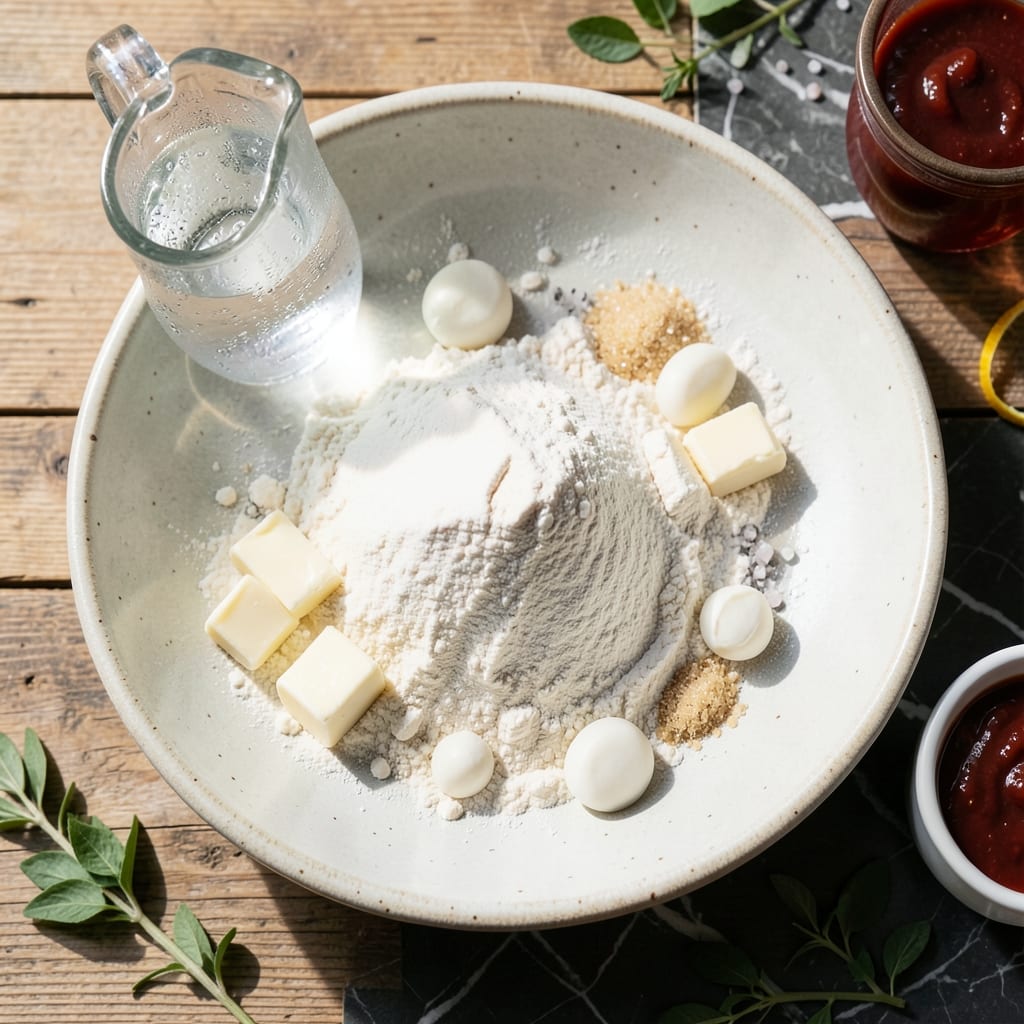
Cold butter, flaky layers, and a sturdy base for your perfect 10-inch pie.
| Ingredient | Amount | Notes |
|---|---|---|
| All-Purpose Flour 🌾 | 2 ½ cups | Spoon and level, plus extra for dusting |
| Unsalted Butter 🧈 | ¾ cup | Chilled, cut into 1/2-inch cubes |
| Vegetable Shortening 🫒 | ¼ cup | Chilled for flakiness |
| Granulated Sugar 🍚 | 1 tbsp | Fine grain for even distribution |
| Fine Sea Salt 🧂 | 1 tsp | Diamond Crystal preferred |
| Ice Water 💧 | ½ cup | Plus extra as needed |
| White Vinegar 🍶 | 1 tsp | Or apple cider vinegar |
| Egg 🥚 | 1 whole | Large, for egg wash |
| Heavy Cream 🥛 | 1 tbsp | Optional for richer egg wash |
The butter and shortening combo is non-negotiable here. Land O’Lakes unsalted butter has the right fat content, and Crisco all-vegetable shortening gives that extra flake. Keep everything ice cold—even your mixing bowl. I chill mine in the freezer for 10 minutes before starting. The flour? King Arthur or Gold Medal all-purpose, nothing fancy (save the bread flour for actual bread).
No shortening? Lard works in a pinch (but check for vegetarian labeling if that matters). Out of vinegar? Lemon juice at the same amount does the trick. For a richer egg wash, swap the water in the wash for heavy cream. The sugar is optional but helps with browning—skip it if you’re making a savory pie. And yes, you can use salted butter, but reduce the added salt by half.
The dough keeps wrapped tightly in the fridge for 2 days or frozen for 3 months. If freezing, thaw overnight in the fridge before rolling. Once baked, the crust stays crisp for 24 hours at room temp—after that, store covered (but it’s best fresh, honestly).
Why You’ll Love This Recipe
- Five Ingredients: That’s it—flour, butter, shortening, sugar, and salt. No hunting for specialty items at the store.
- Buttery Layers: The mix of butter and shortening gives me that flaky, tender texture with just the right amount of richness.
- Holiday or Tuesday: I pull this crust out for Thanksgiving pies or a random weeknight galette, and it never fails me.
- Dough for Days: One batch makes enough for a 10-inch pie with extra to freeze, so I’m always ready for a last-minute dessert.
Step-by-Step Instructions for Pie Crust for 10 Inch Pie
Follow my proven method and you’ll achieve perfect flakiness every single time.
Step 1: Mix the Dry Ingredients
In a large bowl, whisk together the 2.5 cups all-purpose flour, 1 tbsp granulated sugar, and 1 tsp fine sea salt until evenly distributed. I use a fine-mesh sieve for the flour to prevent lumps and ensure a consistent texture throughout the dough.
This step is crucial for even distribution of leavening and seasoning. The sugar adds a subtle sweetness that balances savory fillings, while the salt enhances all the flavors. Make sure your bowl is large enough to accommodate all ingredients with room for mixing.
Step 2: Cut in the Cold Fats
Add the 0.75 cup unsalted butter (chilled and cubed) and 0.25 cup vegetable shortening to the flour mixture. Using a pastry cutter or your fingers, work the fats into the flour until the mixture resembles coarse crumbs with some pea-sized pieces remaining visible.
I prefer using my fingertips for this step as it allows me to feel the texture better. The key is keeping everything cold—cold fat creates steam during baking, which makes those beautiful flaky layers. Work quickly to prevent the butter from melting into the flour.
Step 3: Bind the Dough with Liquid
In a small bowl, combine the 0.5 cup ice water and 1 tsp white vinegar. Create a well in the center of your flour mixture and gradually add the liquid, stirring gently with a fork until the dough just begins to come together.
The vinegar tenderizes the gluten, creating a more forgiving dough that’s easier to work with. You might not need all the liquid—stop adding when the dough starts to clump together. It should look shaggy, not smooth. Overmixing at this stage develops gluten, which makes the crust tough.
Step 4: Chill and Rest the Dough
Turn the dough out onto a lightly floured surface and gently pat it into a 1-inch thick disc. Wrap it tightly in plastic wrap and refrigerate for at least 1 hour (I prefer 2 hours for best results).
This resting period allows the gluten to relax and the fat to rechill, making the dough easier to roll out. It also gives the flour time to fully hydrate. Don’t skip this step—it’s the secret to a tender, flaky crust that doesn’t shrink during baking.
Step 5: Roll, Fit, and Blind Bake if Needed
On a lightly floured surface, roll the chilled dough to a 12-inch circle, about ⅛-inch thick. Transfer to a 10-inch pie dish, gently pressing it into the bottom and up the sides. Trim the edges, leaving a ½-inch overhang, then crimp decoratively.
For a pre-baked crust, chill the fitted dough for 30 minutes, then line with parchment paper, fill with pie weights or dried beans, and bake at 375°F for 15 minutes. Remove weights and bake for another 10-12 minutes until light golden brown. For a filled pie, proceed with your recipe, brushing the edges with a mixture of the egg and 1 tbsp heavy cream for a beautiful golden finish.
Pro Tips For Making Pie Crust Recipe For 10 Inch Pie
- Chill the Dough: I learned this the hard way—let the dough rest in the fridge for at least 30 minutes before rolling. It keeps the butter and shortening firm, so your crust stays flaky instead of tough.
- Use Cold Butter: Cut the unsalted butter into small cubes and chill it before mixing. Sounds fussy, but it actually changes the outcome—your crust will be lighter and more tender.
- Skip Overworking: Mix just until the dough comes together, even if it looks a little shaggy. Overmixing develops gluten, and your crust will end up chewy rather than crisp.
- Swap Half the Butter: My grandmother swore by this, and she was right: replace half the butter with vegetable shortening for a crust that’s flaky and holds its shape better when baked.
Troubleshooting Perfect Results
Tough Crust
If your crust turns out tough, it’s likely from overworking the dough. I’ve found that handling it with warm hands or kneading too much develops excess gluten. Stop mixing as soon as the dough comes together—it should look shaggy, not smooth. 💪
Soggy Bottom
To avoid a soggy bottom, blind bake the crust for 15 minutes at 375°F before adding wet fillings like custard or fruit. For juicy fruit pies, sprinkle 1 tbsp cornstarch on the bottom crust before adding the filling to absorb excess moisture.
Shrinking Crust
Shrinking happens when the gluten hasn’t relaxed. Always rest your dough for at least 1 hour in the fridge before rolling. I’ve had the best results with 2 hours of chilling. Also, avoid stretching the dough when fitting it into the pan.
Crust Not Browning
For a golden finish, brush the edges with an egg wash made from 1 egg and 1 tbsp heavy cream. If your oven runs cool, try increasing the temperature by 25°F or baking for 5-10 minutes longer. 🌟
Cracked Crust
Cracks usually form if the dough is too dry. Add 1 tsp ice water at a time until it just holds together. If rolling causes cracks, patch them with extra dough and chill again before baking.
Butter Melts Through
If butter leaks during baking, it’s often because it wasn’t cold enough. Freeze your cubed butter for 10 minutes before cutting it in, and work quickly. Using European-style butter with a higher fat content can also help.
Nutrition Facts
Frequently Asked Questions
Can I make the dough ahead of time?
Yes! Wrap the disc tightly in plastic and refrigerate for up to 2 days. For longer storage, freeze for up to 3 months. Thaw overnight in the fridge before rolling.
What if I don’t have shortening?
You can use all butter, but the texture will be slightly less flaky. For best results, chill your butter extra well and work quickly. Lard works as a substitute too.
How do I prevent the edges from burning?
Cover the crust edges with aluminum foil or a pie shield during baking. Remove it during the last 10-15 minutes to allow browning. This works especially well for fruit pies with long bake times.
Can I use this for a double crust pie?
This recipe makes enough for one double crust or two single crusts. Divide the dough in half before chilling, then roll each portion separately.

- Potato Candy Recipe 1933: Vintage Peanut Butter Roll Delight - October 30, 2026
- Potato Chip Cookie Recipe With Pecans: Buttery Crunch Meets Nutty Richness - October 30, 2026
- Potato Patty Recipe No Egg: Crispy Edges Without the Binder - October 30, 2026