
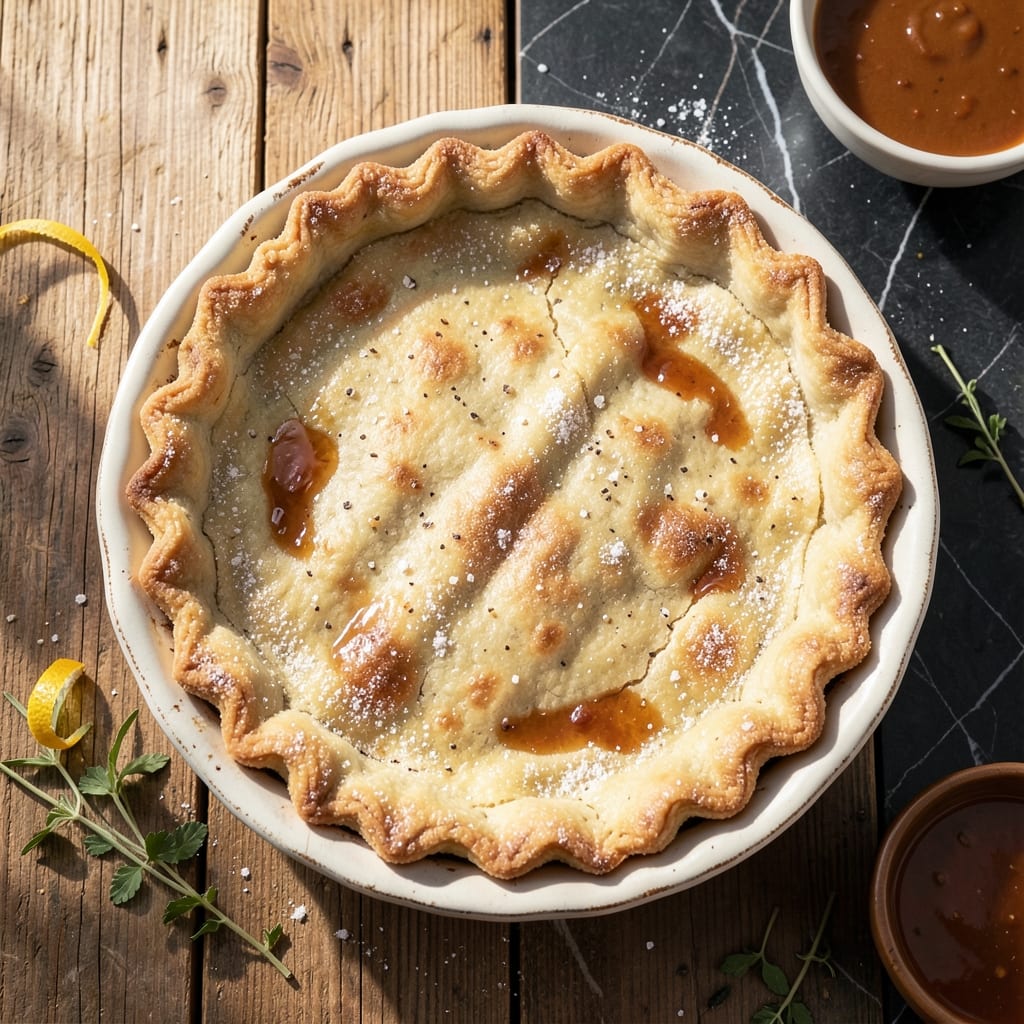
After years of testing gluten-free flours, I finally perfected a pie crust that delivers flaky layers without the gluten. This method uses Bob’s Red Mill blend with a specific technique to mimic traditional results.
The secret is chilled ingredients and minimal handling—just like classic pie dough. I developed this recipe after countless failed attempts, focusing on texture and structure that holds up to any filling.
What emerges from the oven is a golden crust with distinct layers, crisp enough to hold its shape yet tender when bitten. The gluten-free flour blend creates the perfect balance of sturdy and delicate.
Perfect for fruit pies, custards, or quiches. This crust proves gluten-free baking doesn’t mean compromising on quality or tradition.
Ingredients for Pie Crust Recipe Using Bob’s Red Mill Gluten Free Flour
Chilled butter, Bob’s Red Mill flour, and minimal handling create that coveted flaky texture without gluten.
| Ingredient | Amount | Notes |
|---|---|---|
| Bob's Red Mill Gluten-Free 1-to-1 Baking Flour 🌾 | 2 ½ cups | Spoon and level, do not scoop |
| Unsalted Butter 🧈 | 1 cup | Ice cold, cubed into 1/2-inch pieces |
| Ice Water 💧 | ⅓ cup | Plus 1 tbsp as needed |
| Granulated Sugar 🍚 | 1 tsp | Optional, for sweet crusts |
| Fine Sea Salt 🧂 | ½ tsp | Diamond Crystal preferred |
| Apple Cider Vinegar 🍏 | 1 tsp | Chilled, enhances flakiness |
| Large Egg 🥚 | 1 whole | Ice cold, for structure |
| Xanthan Gum 🧪 | ¼ tsp | Omit if flour blend contains it |
| Vanilla Extract 🌿 | ½ tsp | Optional, for sweet pies |
| All-Purpose Flour 🌾 | ¼ cup | For dusting surface, not gluten-free |
The flour is non-negotiable here—Bob’s Red Mill 1-to-1 Baking Flour contains the right starch blend and xanthan gum for structure. King Arthur’s gluten-free measure-for-measure works too, but the texture differs slightly. Butter must be ice cold; I freeze mine for 15 minutes before cubing. The vinegar might seem odd, but it tenderizes the dough (like classic pie crusts). Use Diamond Crystal salt for consistent seasoning.
No Bob’s Red Mill? King Arthur’s gluten-free flour is the closest substitute, but avoid single-flour blends like almond or coconut—they lack the starch balance. For a vegan version, replace the egg with 1 tbsp cold water plus 1 tsp vinegar. The sugar and vanilla are optional but recommended for fruit pies. If your flour blend already has xanthan gum (check the label), skip the added amount.
Dough keeps 2 days wrapped tightly in the fridge or 3 months frozen as a disk. Baked crusts stay crisp for 1 day at room temperature. For best results, roll between parchment paper to prevent sticking—gluten-free dough is stickier than traditional.
Why You’ll Love This Recipe
- I’ll be real: I always keep a disk in the freezer, ready to roll when unexpected dessert cravings hit.
- No-Fuss Mixing: I just dump the Bob’s Red Mill 1-to-1 flour, cold butter, and a pinch of salt in the food processor—no sifting, no guesswork.
- Buttery, Flaky Magic: Honestly, the butter and that gluten-free flour blend create layers so tender, even my gluten-loving friends ask for seconds.
- Endless Pie Possibilities: Sweet or savory, this crust handles fruit pies, quiches, even hand pies without falling apart.
Step-by-Step Instructions for Pie Crust Using Bob’s Red Mill Gluten-Free Flour
Master these precise steps to achieve the flaky, tender crust that defines exceptional pie-making.
Step 1: Combine Dry Ingredients for Optimal Structure
In a large mixing bowl, whisk together the 2.5 cups Bob’s Red Mill Gluten-Free 1-to-1 Baking Flour, 0.5 tsp Fine Sea Salt, and 0.25 tsp Xanthan Gum until thoroughly combined. The xanthan gum is critical for gluten-free baking as it mimics the elasticity that gluten would normally provide.
If you’re preparing a sweet crust, add the 1 tsp Granulated Sugar to the dry mixture. Ensure all ingredients are evenly distributed throughout the flour to prevent pockets of salt or gum in your finished crust.
Step 2: Incorporate Cold Butter Using the Cutting Method
Add the 1 cup Unsalted Butter, which should be ice cold and cubed into ½-inch pieces, to the dry ingredients. Using a pastry cutter or your fingertips, work the butter into the flour mixture until the largest pieces are about the size of peas.
This step creates the flaky layers in your crust. The butter should remain visible as distinct pieces – don’t overwork it into a uniform mixture. The cold butter will melt during baking, creating steam that separates the flour into flaky layers.
Step 3: Bind the Dough with Liquid Ingredients
In a small bowl, whisk together the 1 whole Large Egg, 0.33 cup Ice Water, 1 tsp Apple Cider Vinegar, and 0.5 tsp Vanilla Extract (if making a sweet crust). The vinegar helps tenderize the crust by inhibiting gluten formation, while the egg adds structure.
Create a well in the center of your flour-butter mixture and pour in the liquid ingredients. Using a fork, gradually incorporate the dry ingredients into the wet until the dough just begins to come together. It will look shaggy and slightly dry – this is correct.
Step 4: Knead and Rest the Dough
Turn the dough onto a surface lightly dusted with 0.25 cup All-Purpose Flour. Gently knead the dough just until it forms a cohesive ball, being careful not to overwork it. Gluten-free dough is more forgiving than traditional dough in this regard, but excessive handling can still make it tough.
Shape the dough into a disk, wrap it tightly in plastic wrap, and refrigerate for at least 1 hour. This resting period allows the flour to fully hydrate and the butter to firm up, making the dough easier to roll out and preventing shrinkage during baking.
Step 5: Roll and Blind Bake for Perfect Results
On a surface dusted with the remaining all-purpose flour, roll out the chilled dough to a ⅛-inch thickness. Transfer to your pie dish, crimp the edges, and prick the bottom all over with a fork to prevent air bubbles.
For a pre-baked crust, line with parchment paper and fill with pie weights or dried beans. Bake at 375°F for 15 minutes, then remove the weights and bake for an additional 5-8 minutes until the edges are light golden brown. This creates a crisp base that won’t become soggy when filled.
Pro Tips For Making Pie Crust Recipe Using Bob’S Red Mill Gluten Free Flour
- Chill the Dough: I learned this the hard way—gluten-free crusts need at least 30 minutes in the fridge before rolling. Bob’s Red Mill blend is more delicate than regular flour, so chilling prevents cracking and makes it way easier to handle.
- Use Very Cold Butter: Cut your unsalted butter into tiny cubes and freeze for 10 minutes before mixing. Sounds fussy, but it’s the only way to get flaky layers with gluten-free flour—otherwise, the dough turns gummy.
- Skip Warm Water: Ice water is non-negotiable here. Warm water softens the butter, and with gluten-free flour, that means a dense, tough crust. I keep a bowl of water with ice cubes next to me the whole time.
- Dock the Crust: After fitting the dough into the pan, poke the bottom all over with a fork. Gluten-free crusts puff up more than traditional ones, and docking prevents air bubbles from ruining your blind bake.
Flavor Customization for This Recipe
Sweet Crust Enhancements
For fruit pies, I add 1 tsp vanilla extract and 1 tsp sugar to the dry mix. This subtle sweetness complements berries, apples, and stone fruits perfectly. I discovered this tweak while perfecting my grandmother’s apple pie. 💛
Savory Herb Blend
When making quiche or pot pie, I mix 1 tsp dried thyme and ½ tsp rosemary into the flour. These herbs add depth without overpowering. I tested this with chicken pot pie last winter—it was a hit at Sunday dinner.
Spiced Variety
Add ½ tsp cinnamon and ¼ tsp nutmeg for pumpkin or sweet potato pies. The warmth of these spices pairs beautifully with fall flavors. I always get requests for seconds when I use this combo.
Citrus Zest Boost
Finely grate 1 tsp lemon or orange zest into the dry ingredients for a bright, fresh note. This works wonders with berry fillings. I love how it cuts through the richness of the butter. ✨
Cocoa Powder Option
For chocolate cream pies, replace ¼ cup of the flour with unsweetened cocoa powder. This creates a subtle chocolate base that enhances the filling. I developed this after a neighbor requested a chocolate pie for her birthday.
Cheese Crust Variation
Add ½ cup grated Parmesan to the dry mix for savory pies. The cheese adds umami depth and a slightly crispier texture. I tested this with a spinach quiche—my family devoured it in minutes.
Nutrition Facts
Frequently Asked Questions
Why is the butter kept ice cold?
Cold butter creates steam during baking, which makes the crust flaky. If it warms up, the layers won’t separate properly. I freeze my butter for 15 minutes before using it for best results.
Can I use a different gluten-free flour?
Yes, but King Arthur’s Measure-for-Measure is the closest substitute. Avoid single-flour blends like almond or coconut—they lack the starch balance needed for structure.
How do I prevent the crust from sticking?
Roll the dough between parchment paper to avoid direct contact with the surface. Gluten-free dough is stickier, so this method keeps it manageable.
Can I make this vegan?
Replace the egg with 1 tbsp cold water plus 1 tsp vinegar. The vinegar mimics the egg’s binding properties, keeping the crust tender.

- Potato Candy Recipe 1933: Vintage Peanut Butter Roll Delight - October 30, 2026
- Potato Chip Cookie Recipe With Pecans: Buttery Crunch Meets Nutty Richness - October 30, 2026
- Potato Patty Recipe No Egg: Crispy Edges Without the Binder - October 30, 2026