
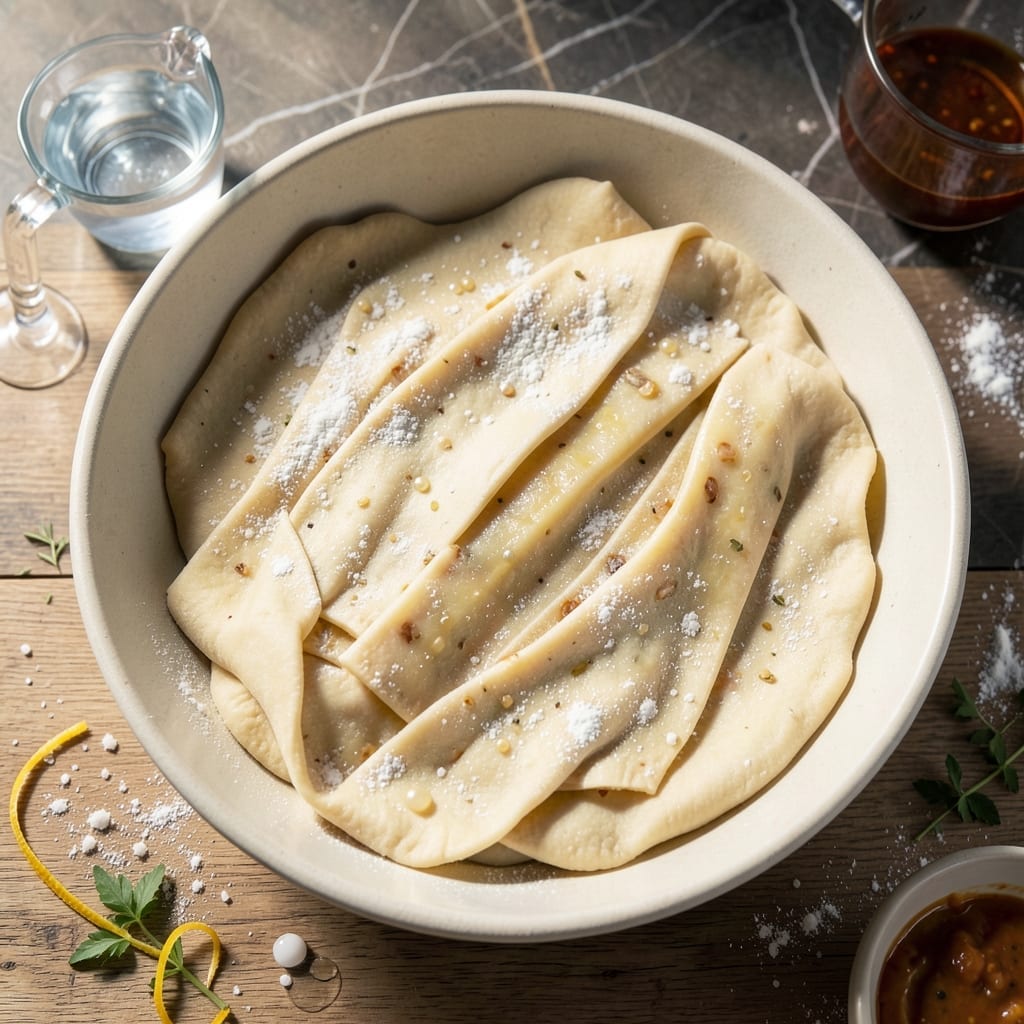
This pie dough recipe delivers the flaky, golden crust that transforms pot pie from good to extraordinary. The secret lies in cold ingredients and minimal handling to maintain those perfect layers.
I developed this method after years of trial and error, focusing on creating a dough that’s tender yet sturdy enough to hold rich fillings. The result is a crust that bakes up light and crisp, never soggy.
What sets this apart is its ability to seal in all the savory goodness of your pot pie filling. The layers separate beautifully during baking, creating that coveted texture that makes each bite satisfying.
With just a few basic ingredients and proper technique, you’ll achieve professional-quality results every time. The process is straightforward but requires attention to detail for the best outcome.
Ingredients for Pie Dough Recipe for Pot Pie
Cold butter, minimal handling, and a few pantry staples create that perfect flaky crust.
| Ingredient | Amount | Notes |
|---|---|---|
| All-Purpose Flour 🌾 | 2 ½ cups | Spoon and level, not packed |
| Unsalted Butter 🧈 | 1 cup | Cold, cut into small cubes |
| Vegetable Shortening 🧈 | ¼ cup | Cold, for extra flakiness |
| Ice Water 💧 | ½ cup | Plus 1 tbsp as needed |
| Salt 🧂 | 1 tsp | Fine sea salt preferred |
| White Vinegar 💧 | 1 tbsp | Tenderizes the dough |
| Granulated Sugar 🍚 | 1 tsp | Optional, for color |
| Large Egg 🥚 | 1 whole | Cold, for binding |
The butter and shortening must stay ice cold—this is what creates those flaky layers. European-style butter (like Plugrá or Kerrygold) has higher fat content and works exceptionally well. Crisco all-vegetable shortening is my go-to for reliability. The flour should be standard all-purpose; avoid bread flour as it develops too much gluten, making the crust tough.
No shortening? Use all butter—just add an extra 2 tbsp. No egg? A tbsp of cold water or aquafaba (chickpea brine) works as a binder. For a richer flavor, substitute 1 tbsp sour cream for 1 tbsp of the ice water. The vinegar tenderizes, but lemon juice at the same amount is a fine substitute.
The dough can rest in the fridge for up to 2 days or freeze for 1 month. Wrap tightly in plastic to prevent drying. For best results, let it sit at room temperature for 10 minutes before rolling to prevent cracking.
Why You’ll Love This Recipe
- 5-Minute Mix: Honestly, I can pulse the flour, butter, and shortening in the food processor while the water chills—no fancy techniques, just speed.
- Buttery Layers: That combo of butter and shortening gives me flaky, golden crust with a rich taste that’s way better than store-bought.
- Freezer Friendly: I make a double batch, wrap the extra dough in plastic, and freeze it for next week’s pot pie or even a quick fruit tart.
- Pennywise Perfection: A pound of flour and a few pantry staples stretch into multiple meals—my wallet loves it as much as my family does.
Step-by-Step Instructions for Pie Dough for Pot Pie
Master this method and you’ll create a golden, flaky crust that perfectly encases your filling.
Step 1: Combine Dry Ingredients
In a large bowl, whisk together the 2.5 cups All-Purpose Flour, 1 tsp Salt, and 1 tsp Granulated Sugar until evenly distributed. The sugar adds subtle color to the crust, while the salt enhances flavor. Make sure there are no lumps in the flour—this ensures even texture throughout the dough.
This step is simple but critical. Properly mixed dry ingredients prevent pockets of concentrated salt or sugar, which can affect both taste and browning. The fine sea salt dissolves easily, so there’s no need to worry about graininess in your finished crust.
Step 2: Cut in Cold Fats
Add the 1 cup Unsalted Butter (cold and cubed) and 0.25 cup Vegetable Shortening to the dry ingredients. Use a pastry cutter or your fingertips to work the fats into the flour until the mixture resembles coarse crumbs with some pea-sized pieces of butter and shortening remaining.
The key here is keeping the fats cold—this creates flaky layers as the dough bakes. I prefer using both butter and shortening because the butter adds flavor while the shortening adds extra flakiness. Stop cutting in the fats once you see a mix of fine and pea-sized crumbs; overworking will melt the fats and ruin the texture.
Step 3: Add Liquid Ingredients
In a small bowl, whisk together the 0.5 cup Ice Water, 1 tbsp White Vinegar, and 1 whole Large Egg until fully combined. The vinegar tenderizes the dough, while the egg adds structure. Make a well in the center of the flour mixture and pour in the liquid ingredients.
Using a fork, gently stir the mixture just until it begins to come together. The dough will look shaggy and slightly dry—that’s exactly what you want. Resist the urge to add more water; the dough will hydrate fully as it rests. Overmixing at this stage develops gluten, which makes the crust tough rather than flaky.
Step 4: Shape and Chill the Dough
Turn the dough out onto a lightly floured surface and gently knead it just until it forms a cohesive ball, about 4-5 turns. The dough should still look slightly rough. Divide it into two equal portions, flatten each into a 1-inch thick disc, and wrap them tightly in plastic wrap.
Refrigerate the dough for at least 1 hour or up to 2 days. Chilling is non-negotiable—it relaxes the gluten, hydrates the flour, and firms up the fats, ensuring a flaky, easy-to-roll crust. If the dough resists when you try to roll it out later, it hasn’t chilled long enough.
Pro Tips For Making Pie Dough Recipe For Pot Pie
- Chill the Fat: Keep your butter and shortening ice-cold until the moment you cut them into the flour—warm fat means tough, flat crust instead of flaky layers.
- Use Ice Water: I learned this the hard way—warm water activates the gluten too much, so always measure your water with ice cubes and drain out the solids before mixing.
- Don’t Overmix: Stop as soon as the dough just comes together, even if it looks shaggy—overworking develops gluten and makes the crust tough, not tender.
- Let It Rest: After shaping, give the dough a solid 20-30 minutes in the fridge; it relaxes the gluten and makes rolling out for the pot pie top effortless.
Essential Equipment for This Recipe
Rolling Pin Options
I always recommend a French-style tapered rolling pin for pie dough. The tapered ends give you better control for rolling out even circles. J.K. Adams makes a beautiful maple wood version that’s both functional and durable. 💪
Work Surface Matters
A large, smooth surface is essential. My go-to is a maple wood pastry board—it provides a stable, cool surface that keeps the dough from sticking. If space is limited, a silicone rolling mat with measurements works well too.
Pastry Cutter
For cutting in cold fats, a stainless steel pastry cutter is my top choice. The OXO Good Grips model has comfortable handles and sharp blades. If you don’t have one, your fingertips work in a pinch, but avoid using a fork as it can overwork the dough.
Pie Dish Selection
For pot pie, I prefer a 9-inch glass pie dish—it conducts heat evenly and lets you monitor the bottom crust. Pyrex is my trusted brand. For a more rustic look, a ceramic dish works beautifully, but may require slightly longer baking time.
Bench Scraper
A stainless steel bench scraper is invaluable for dividing dough and lifting it off your work surface. The Ateco 4-inch model is perfect for pie work. It also helps clean your work surface between rolls.
Chilling Tools
Invest in quality plastic wrap for chilling dough—Glad ClingWrap is my favorite as it really sticks to the dough. For longer storage, zip-top freezer bags work well. Always label with the date to track freshness.
Nutrition Facts
Frequently Asked Questions
Can I make this dough ahead of time?
Yes! The dough can rest in the fridge for up to 2 days or freeze for 1 month. Wrap tightly in plastic to prevent drying.
Why use both butter and shortening?
Butter adds rich flavor while shortening creates extra flakiness. The combo gives you the best texture and taste for your pot pie crust.
My dough cracked when rolling. What went wrong?
This usually means it wasn’t chilled long enough. Let it rest at room temperature for 10 minutes before rolling to prevent cracking.
Can I substitute the vinegar with lemon juice?
Use 1 tbsp lemon juice as a perfect substitute. Both tenderize the dough equally well.

- Potato Candy Recipe 1933: Vintage Peanut Butter Roll Delight - October 30, 2026
- Potato Chip Cookie Recipe With Pecans: Buttery Crunch Meets Nutty Richness - October 30, 2026
- Potato Patty Recipe No Egg: Crispy Edges Without the Binder - October 30, 2026