
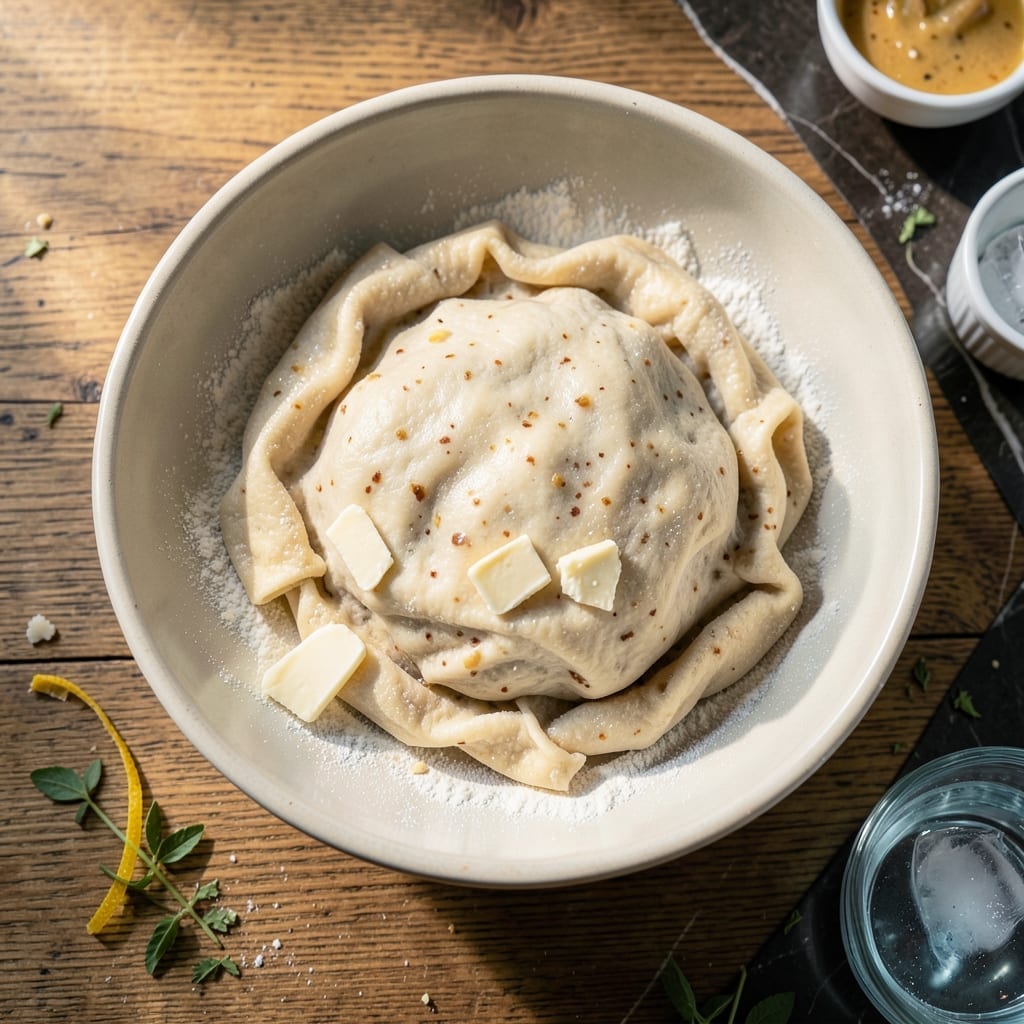
There’s a reason grandmas swore by lard for pie crust—it creates the most flaky layers you’ll ever taste. This traditional method delivers a tender, golden crust that works for fruit pies and pot pies alike.
With just a few simple ingredients and proper chilling, you’ll achieve that coveted texture that shatters at the touch. The secret lies in keeping everything cold and handling the dough as little as possible.
Ingredients for Pie Pastry Recipe with Lard
Traditional ingredients create that coveted flaky, golden pie crust every time.
| Ingredient | Amount | Notes |
|---|---|---|
| All-Purpose Flour 🌾 | 2 ½ cups | Sifted for lighter texture |
| Lard 🥓 | ¾ cup | Leaf lard preferred for purity |
| Ice Water 💧 | ½ cup | As cold as possible |
| Salt 🧂 | 1 tsp | Fine table salt |
| Granulated Sugar 🍚 | 1 tbsp | Optional for sweet crusts |
| Unsalted Butter 🧈 | ¼ cup | Chilled and cubed |
| Apple Cider Vinegar 🍏 | 1 tbsp | For tenderness |
The lard is non-negotiable for authentic flakiness here. Leaf lard from local butchers or Armour brand (found at Walmart) gives the cleanest flavor. Most grocery stores carry it near the baking supplies or frozen section. If you can only find hydrogenated lard, it works but may lack that old-fashioned richness grandma’s version had.
No lard on hand? Shortening works in a pinch but won’t deliver the same depth of flavor. For a slightly different texture, all-butter at 1:1 ratio still yields excellent results. The vinegar can be swapped with lemon juice or omitted entirely (just add a splash more ice water). The sugar is purely optional—skip it for savory applications like pot pies.
Keep the dough wrapped tightly—it’ll stay fresh in the fridge for 3 days or frozen for 3 months. Lard itself keeps indefinitely in the pantry if unopened, or 1 year refrigerated after opening. Always let cold dough sit at room temperature for 10-15 minutes before rolling for easiest handling.
Why You’ll Love This Recipe
- 5-Minute Mix: Honestly, I just dump the flour, lard, and ice water in a bowl and it comes together faster than my morning coffee.
- Flaky Magic: That lard creates layers so tender they practically melt—no butter can compete.
- Endless Options: Sweet or savory, hand pies or lattice tops, this pastry handles whatever I’m craving.
Step-by-Step Instructions for Pie Pastry With Lard
Here is the method. Simple, precise, and it guarantees a flaky, rich crust every time.
Step 1: Combine Dry Ingredients and Cold Fats
In a large mixing bowl, whisk together the 2.5 cups All-Purpose Flour, 1 tsp Salt, and 1 tbsp Granulated Sugar until evenly distributed. This ensures the salt and sugar are dispersed throughout the dough for consistent flavor.
Add the 0.75 cup Lard and 0.25 cup Unsalted Butter, both chilled and cubed. I cut the butter into ½-inch pieces so it incorporates evenly. The fat should be cold to the touch—this is crucial for creating flaky layers.
Step 2: Cut in the Fats Until Pea-Sized
Using a pastry cutter or two forks, work the lard and butter into the flour mixture until the largest pieces are the size of peas. You’ll see a mix of coarse and fine crumbs, with visible fat flecks throughout. This uneven texture is exactly what you want.
Don’t overwork the dough at this stage. The goal is to coat the fat in flour without melting it. If the mixture starts to feel greasy or the fat begins to smear, stop and chill the bowl in the freezer for 5 minutes to firm everything up again.
Step 3: Bind the Dough with Liquid
Create a well in the center of the flour-fat mixture. Pour in the 0.5 cup Ice Water and 1 tbsp Apple Cider Vinegar. The vinegar tenderizes the dough by relaxing the gluten, ensuring a softer crust.
Using a fork, gradually incorporate the flour mixture into the liquid, stirring just until the dough begins to come together. It will look shaggy and slightly dry at the edges. Avoid the urge to add more water—overhydrating the dough leads to a tough crust.
Step 4: Knead Gently and Rest
Turn the dough out onto a lightly floured surface. Gently pat it into a rough rectangle, then fold it in thirds like a letter. Rotate the dough 90 degrees and repeat the folding process once more. This builds layers without over-developing the gluten.
Form the dough into a disk, wrap it tightly in plastic wrap, and refrigerate for at least 1 hour or up to 2 days. Chilling relaxes the gluten and solidifies the fat, making the dough easier to roll out and ensuring those flaky layers you’re after.
Step 5: Roll and Shape for Baking
On a floured surface, roll the chilled dough to the desired thickness, typically ⅛-inch for a standard pie crust. Rotate the dough frequently to prevent sticking and ensure even thickness. If the dough cracks, press the edges together with your fingers.
Transfer the rolled dough to your pie dish, pressing it gently into the bottom and sides. Trim any excess, leaving a ½-inch overhang for crimping. Chill the lined pie dish for 30 minutes before baking to prevent shrinking. This step ensures a crisp, flaky base that holds its shape.
Pro Tips For Making Pie Pastry Recipe With Lard
- Chill the Lard: Cut your lard into small cubes and refrigerate for 30 minutes before mixing—I learned this the hard way after my first few crusts turned out greasy instead of flaky.
- Use Ice-Cold Water: Fill a glass with ice cubes and water, then measure from that for the liquid. Sounds fussy, but it keeps the fat from melting prematurely, which ruins the layers.
- Don’t Overwork It: Mix just until the dough comes together, even if it looks shaggy. After burning three batches to crispy frustration, I finally realized overmixing toughens the crust.
- Rest Before Rolling: Let the wrapped dough rest in the fridge for at least 1 hour—my grandmother swore by this, and she was right: it relaxes the gluten and makes rolling a breeze.
Flavor Customization for This Dish
Sweet Flavor Boost
For fruit pies, increase the granulated sugar to 2 tbsp and add ½ tsp cinnamon to the dry ingredients. This complements apple or peach fillings beautifully. I also love adding 1 tsp lemon zest for a bright, citrusy note. 🍋
Savory Herb Twist
Swap the sugar for 1 tbsp chopped fresh thyme or 1 tsp dried rosemary when making pot pies. The herbs pair perfectly with chicken or beef fillings. A pinch of black pepper adds subtle depth without overpowering.
Cheesy Delight
Add ½ cup grated Parmesan or sharp cheddar to the flour mixture for quiches or savory galettes. The cheese melts into the layers, creating pockets of gooey goodness. I recommend using Cabot brand for its bold flavor.
Spiced Option
For a warm, aromatic crust, mix in ¼ tsp nutmeg and ¼ tsp cardamom with the dry ingredients. This works wonders with pumpkin or sweet potato pies. The spices should be finely ground for even distribution.
Buttery richness
Increase the butter to ½ cup for an extra-rich flavor while keeping the lard for flakiness. This hybrid approach gives you the best of both worlds. The dough may feel slightly softer, so chill it for the full 2 hours before rolling.
Vinegar Variations
Swap the apple cider vinegar for white vinegar or lemon juice—both work equally well for tenderizing. The acidity is what matters most, so use what you have on hand. Just maintain the 1 tbsp measurement. ✨
Frequently Asked Questions
Can I substitute shortening for lard?
Yes, but expect less richness. Shortening works in a 1:1 ratio but lacks lard’s depth of flavor. For best results, keep everything ice-cold and handle minimally.
Why use lard instead of all butter?
Lard has a higher melting point, creating superior flakiness. It also has a neutral taste that lets the filling shine. Butter adds flavor but can make crusts denser.
How long should I chill the dough?
Rest for at least 1 hour but up to 2 days works fine. Chilling relaxes the gluten and keeps the fat firm for easier rolling.
What if my crust shrinks when baking?
This happens if the dough wasn’t chilled enough before baking. Always freeze the lined pie dish for 30 minutes first to prevent shrinking.
Nutrition Facts

- BBQ Sausage Recipe Oven: Smoky Depth Without the Grill - September 28, 2026
- BBQ Chicken Bowl Recipe Rice: Smoky Sweetness Over Fluffy Grains - September 28, 2026
- Beef Cutlet Recipe Ideas: Crispy Breaded Patties With Bold Seasonings - September 28, 2026