
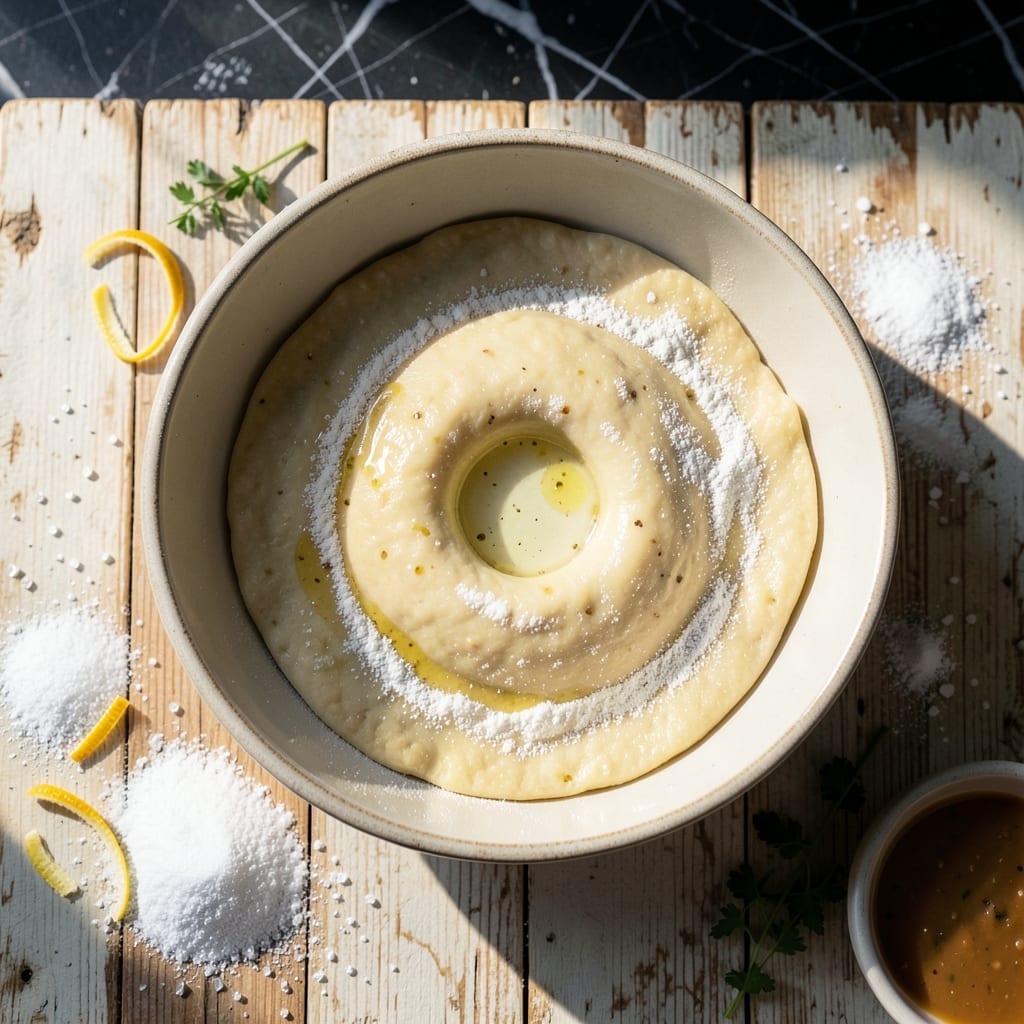
This oil-based pastry delivers a flaky, crumbly texture that rivals traditional butter crusts. I developed this method after years of testing, seeking a reliable alternative that works for dietary needs without sacrificing quality.
The secret lies in using cold oil and minimal handling to prevent gluten development. This creates layers that bake up light and tender, with a texture that holds up to any filling you choose.
What you get is a versatile pastry that bakes to golden perfection, with a crispness that butter-based versions often lack. It rolls out smoothly and holds its shape, making it ideal for both sweet and savory pies.
Perfect for beginners and experienced bakers alike, this method proves that exceptional pastry doesn’t require butter to achieve professional results.
Ingredients for Pie Pastry Recipe with Oil
Cold oil and minimal handling create that perfect flaky, crumbly texture you crave.
| Ingredient | Amount | Notes |
|---|---|---|
| All-Purpose Flour 🌾 | 2 ½ cups | Plus extra for dusting surface |
| Vegetable Oil 🫒 | ¾ cup | Cold, neutral-flavored like canola |
| Ice Water 💧 | ⅓ cup | Very cold, about 5-6 tbsp |
| Salt 🧂 | 1 tsp | Fine sea salt preferred |
| Granulated Sugar 🍚 | 1 tbsp | Optional for sweet pies |
| White Vinegar 💧 | 1 tsp | Helps tenderize gluten |
| Baking Powder 🧂 | ½ tsp | Optional for fluffier texture |
The oil is everything here. Canola or vegetable oil works best—avoid anything with strong flavor like coconut or olive. Cold is critical (I stash mine in the freezer for 30 minutes before starting). Most grocery stores carry neutral oils, but Costco’s organic canola is my go-to for quality and price. The flour? Standard all-purpose is fine, but don’t overthink it—just avoid self-rising.
No canola? Avocado oil is a great swap (same neutral profile). Short on ice water? Vodka works in a pinch (it evaporates during baking, leaving extra flakiness). The vinegar isn’t optional—apple cider or white wine vinegar both work if you’re out of white. For sweet pies, skip the sugar if your filling is plenty sweet already.
Dough keeps in the fridge for 2-3 days (wrap tightly in plastic) or freezes beautifully for 3 months. Let it sit at room temp for 10 minutes before rolling—cold dough cracks. Baked crusts? They’ll keep 5 days at room temp in an airtight container.
Why You’ll Love This Recipe
- No-Roll Needed: I skip the rolling pin entirely—just press the oil-based dough right into the pan.
- Flaky Every Time: The oil makes it tender with that perfect crisp edge, and the sugar adds just a hint of sweetness.
- Endless Possibilities: I’ve used this for sweet pies, savory quiches, even hand pies for lunchboxes.
Step-by-Step Instructions for Pie Pastry With Oil
Here’s the method I swear by for foolproof, flaky pastry using oil instead of butter.
Step 1: Combine Dry Ingredients for Even Distribution
In a large mixing bowl, whisk together the 2.5 cups all-purpose flour, 1 tsp salt, 1 tbsp granulated sugar, and 0.5 tsp baking powder until thoroughly combined. I always whisk for at least 30 seconds to ensure the salt and baking powder are evenly distributed throughout the flour.
This step is crucial for consistent texture in your final pastry. The sugar adds a subtle sweetness (perfect for fruit pies), while the baking powder gives it a slightly lighter texture. If you’re making a savory pie, you can omit the sugar entirely.
Step 2: Cut in Cold Vegetable Oil
Pour the 0.75 cup vegetable oil over the dry ingredients. Using a fork or pastry cutter, work the oil into the flour mixture until it resembles coarse crumbs with some pea-sized pieces remaining. This should take about 2-3 minutes of consistent mixing.
The key here is using cold oil—it creates small pockets that will melt during baking, producing that coveted flaky texture. Don’t overmix; you want visible oil streaks in the flour. These streaks will create the flaky layers in your finished crust.
Step 3: Add Liquid Ingredients Gradually
In a small cup, combine the 0.33 cup ice water and 1 tsp white vinegar. Create a well in the center of your flour-oil mixture and pour in about half of the liquid mixture. Using a fork, gently stir from the center outward, gradually incorporating the flour.
Add the remaining liquid 1 tablespoon at a time, just until the dough begins to come together. You might not need all the liquid—the dough should hold when pressed but not be sticky. The vinegar tenderizes the gluten, preventing a tough crust.
Step 4: Knead Briefly and Rest the Dough
Turn the dough out onto a lightly floured surface (using some of the extra all-purpose flour from your ingredients list). Gently knead the dough 4-5 times just until it comes together into a smooth ball. Overworking the dough develops gluten, which makes for a tougher crust.
Divide the dough in half, flatten into 1-inch thick discs, wrap in plastic, and refrigerate for at least 30 minutes. This resting period allows the oil to solidify and the gluten to relax, making the dough easier to roll out later. For best results, I recommend chilling for 1-2 hours.
Step 5: Roll and Shape the Pastry
On a lightly floured surface, roll one disc of dough from the center outward to your desired thickness—typically ⅛-inch for a standard pie crust. Rotate the dough ¼ turn after each roll to maintain an even thickness and prevent sticking.
If the dough starts to crack at the edges, don’t worry—just press it back together. Oil-based pastry is more forgiving than butter-based dough. Transfer to your pie dish, crimp the edges, and it’s ready for filling. The crust will bake to a delicate, crumbly texture that holds its shape beautifully.
Pro Tips For Making Pie Pastry Recipe With Oil
- Chill the Oil: I learned this the hard way—keep your vegetable oil cold, just like the water, to prevent the pastry from becoming greasy or tough.
- Measure Water Carefully: Start with less ice water than you think you need—about 1 tablespoon at a time—because too much makes the dough sticky and hard to roll.
- Skip Overworking: Resist the urge to knead or re-roll the dough repeatedly; it develops gluten, and your crust will turn out dense instead of flaky.
- Use a Fork: Mix the oil and flour with a fork first—it breaks the oil into tiny pieces faster than your fingers, and you’ll get a more even texture.
Common Mistakes When Making Perfect Results
Overworking the Dough
Resist the urge to knead vigorously—overworking develops gluten, creating a tough crust. I gently press the dough together 4-5 times max. The less you handle it, the more tender your pastry will be. 💪
Using Warm Oil
Always use cold oil straight from the fridge or freezer. Warm oil blends too easily into the flour, eliminating the flaky layers. I keep mine in the freezer for 30 minutes before starting to ensure it stays solid during mixing.
Adding Too Much Water
Add liquid gradually—1 tablespoon at a time. Too much water makes the dough sticky and hard to roll. The dough should hold together when pressed but not cling to your fingers. Stop adding water the moment it starts to come together.
Skipping the Rest
Don’t rush the resting period. Chilling for at least 30 minutes lets the oil solidify and gluten relax. I’ve found 1-2 hours in the fridge yields the easiest-to-roll dough. Skipping this step often results in a tough, shrinking crust.
Rolling Too Thin
Aim for ⅛-inch thickness when rolling. Anything thinner risks tearing or burning, while thicker crusts won’t bake evenly. Rotate the dough ¼ turn after each roll to maintain even thickness and prevent sticking.
Ignoring Oil Quality
Use a neutral-flavored oil like canola or vegetable. Strong oils like olive or coconut can impart unwanted flavors. I prefer Costco’s organic canola for its clean taste and reliability in baking.
Nutrition Facts
Frequently Asked Questions
Why use oil instead of butter?
Oil creates a lighter, crumblier texture and avoids butter’s dairy content. It also stays solid at room temperature longer, making it easier to handle.
Can I use olive oil?
Only if it’s very mild. Strong olive oil can overpower the pastry’s flavor. Stick with neutral oils like canola for best results.
How long can I store the dough?
Wrapped tightly, it keeps in the fridge for 2-3 days or in the freezer for 3 months. Let it warm slightly before rolling to prevent cracking.
What if my dough cracks while rolling?
No worries! Oil-based dough is forgiving. Just press the cracks together and continue. Chilled dough is less likely to tear.

- Potato Candy Recipe 1933: Vintage Peanut Butter Roll Delight - October 30, 2026
- Potato Chip Cookie Recipe With Pecans: Buttery Crunch Meets Nutty Richness - October 30, 2026
- Potato Patty Recipe No Egg: Crispy Edges Without the Binder - October 30, 2026