
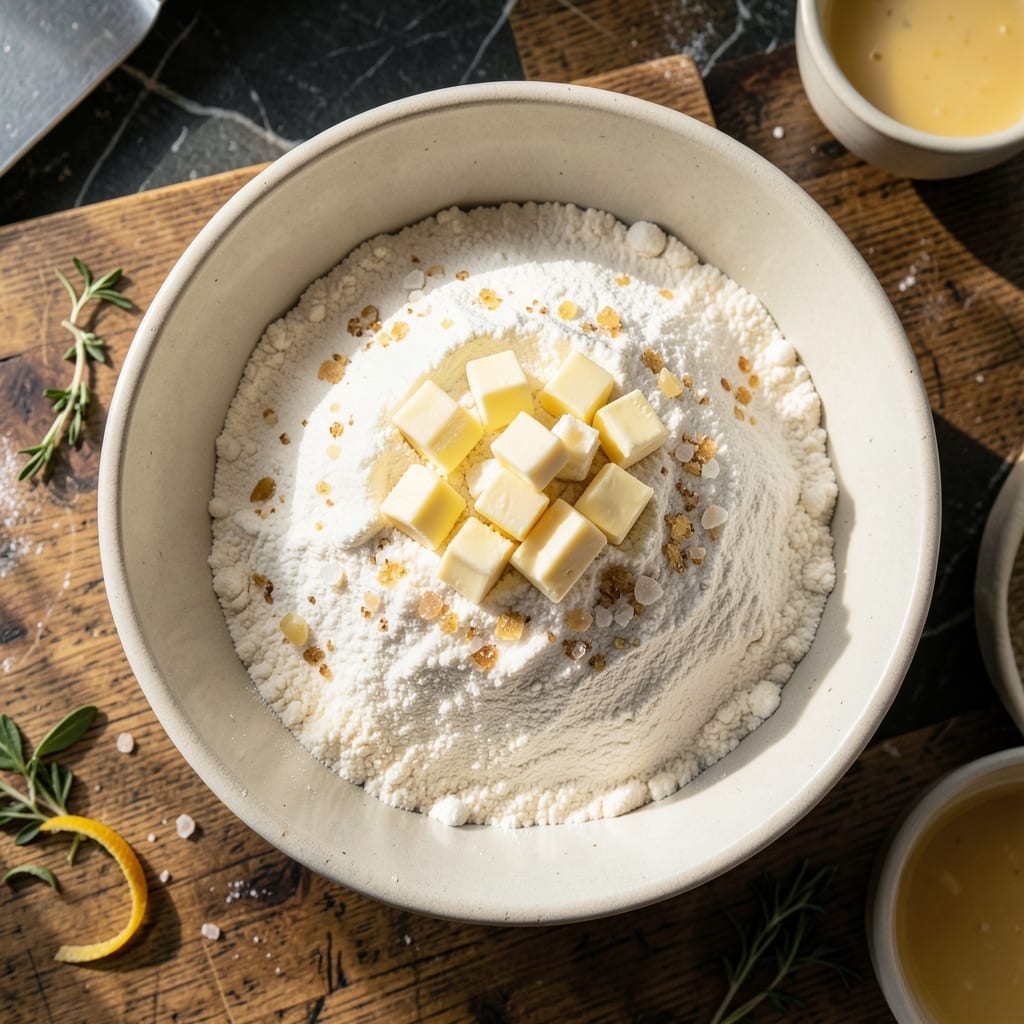
There’s a reason bakeries swear by all-butter pie crust—it delivers unmatched flakiness and rich, buttery flavor in every bite. I’ve refined this method over years of trial and error to ensure a perfect result every time.
The key is keeping the butter cold and working it into the flour just enough to create visible flakes. This creates layers that puff up beautifully during baking, giving you that coveted crisp, golden finish.
With a simple mix of flour, salt, ice water, and butter, you’ll achieve a crust that’s tender, flaky, and sturdy enough to hold any filling. No special equipment required—just patience and precision.
Use this as a base for fruit pies, custards, or quiches. The results will speak for themselves.
Ingredients for Pie Shell Recipe with Butter
Butter, flour, salt, and ice water. That is all you need for perfect flakiness.
| Ingredient | Amount | Notes |
|---|---|---|
| All-Purpose Flour 🌾 | 2 ½ cups | Spoon and level, not packed |
| Unsalted Butter 🧈 | 1 cup | Ice cold, cut into cubes |
| Salt 🧂 | 1 tsp | Fine grain sea salt |
| Ice Water 💧 | ½ cup | Plus 1 tbsp as needed |
| Granulated Sugar 🍚 | 1 tsp | Optional, for sweet pies |
The butter is everything here. Use unsalted so you control the salt level—Plugra or Kerrygold are great choices. Keep it ice cold, straight from the fridge. I like to cube it first and pop it back in the fridge while I prep the rest. King Arthur Flour is my go-to for all-purpose, but any brand works as long as it’s fresh.
No unsalted butter? Salted is fine—just skip the added salt. Short on ice water? Vodka at the same amount makes an even flakier crust (the alcohol evaporates, leaving extra flake). The sugar is optional—skip it for savory pies, add it for fruit. The dough can rest overnight if needed (trust me on this one).
Dough keeps wrapped in plastic for 2 days in the fridge, or freeze for 3 months. Baked shells? Cool completely, then store at room temp for 1 day or freeze up to 1 month.
Why You’ll Love This Recipe
- Five Ingredients Max: I love that this comes together with just flour, butter, salt, water, and a touch of sugar—no hunting for specialty items.
- Buttery Crisp Layers: The cold butter creates those flaky layers I crave, and the sugar adds just the right hint of sweetness to balance savory fillings.
- Freezer Friendly: I always make a double batch and freeze the extras—perfect for last-minute desserts or pot pies.
- Budget Baker: Honestly, it’s cheaper than store-bought and tastes way better, plus I control exactly what goes in.
Step-by-Step Instructions for Pie Shell with Butter
Here’s the method I use for a foolproof, flaky crust every single time.
Step 1: Combine the Dry Ingredients
In a large bowl, whisk together the 2.5 cups All-Purpose Flour, 1 tsp Salt, and 1 tsp Granulated Sugar until evenly distributed. I like to use a fork for this—it breaks up any lumps in the flour and ensures the salt and sugar are fully incorporated.
This step might seem simple, but it’s crucial for even flavor distribution. The sugar adds a subtle sweetness that pairs perfectly with fruit fillings, but you can omit it for savory pies if you prefer. Just make sure your salt is fine grain so it dissolves properly into the dough.
Step 2: Cut in the Cold Butter
Add the 1 cup Unsalted Butter (ice cold and cut into cubes) to the flour mixture. Using a pastry cutter or your fingers, work the butter into the flour until the mixture resembles coarse crumbs with some pea-sized butter pieces remaining. This should take about 3-5 minutes by hand.
Here’s the thing—you want those visible butter pieces. They’re what create the flaky layers in your crust. If the butter starts to warm up and get greasy, pop the bowl in the fridge for 5 minutes to chill everything back down. Cold butter is non-negotiable for flakiness.
Step 3: Add Ice Water Gradually
Create a well in the center of your flour-butter mixture. Add ½ cup Ice Water, 1 tablespoon at a time, mixing gently with a fork after each addition. You’ll know you’ve added enough when the dough just starts to come together when pressed with your fingers.
I always use ice water because it keeps the butter cold and prevents the gluten from developing too much. Overworking the dough at this stage will make your crust tough instead of tender. If it seems too dry after ½ cup, add that extra 1 tablespoon mentioned in the ingredients, but don’t exceed this amount.
Step 4: Shape and Chill the Dough
Turn the dough out onto a lightly floured surface and gently shape it into a disk about 1 inch thick. Don’t knead it—just press it together until it holds. Wrap it tightly in plastic wrap and refrigerate for at least 1 hour (or up to 2 days).
This resting period allows the gluten to relax and the butter to firm back up. When you roll out cold dough, it’s less likely to shrink during baking and more likely to maintain those beautiful flaky layers. The disk shape also makes it easier to roll out evenly later.
Step 5: Roll and Fit into Pie Dish
On a lightly floured surface, roll the chilled dough into a 12-inch circle about ⅛ inch thick. To transfer it to your pie dish, I like to roll the dough loosely around my rolling pin, then unroll it over the dish. Press it gently into the bottom and up the sides without stretching.
Trim the overhang to about ½ inch beyond the rim, then fold it under and crimp the edges with your fingers or a fork. For a perfect finish, chill the shaped crust for another 30 minutes before baking. This prevents shrinking and helps maintain the shape you’ve created.
Pro Tips For Making Pie Shell Recipe With Butter
- Chill the Butter: Cut the butter into small cubes and freeze for 10 minutes before mixing—this keeps it from melting into the flour, which is what gives you that flaky texture. I learned this the hard way after ending up with dense, tough crusts.
- Use Ice-Cold Water: Fill a glass with ice and water, then measure from that for the liquid. The colder the water, the less it develops gluten in the flour, and your crust stays tender. Sounds fussy, but it actually changes the outcome.
- Don’t Overwork It: Mix just until the dough comes together—it’ll look shaggy, and that’s fine. Overworking it warms the butter and toughens the crust, and nobody wants a chewy pie shell.
- Rest Before Rolling: After shaping the dough, let it rest in the fridge for at least 30 minutes. This relaxes the gluten and makes rolling easier, plus it prevents shrinking during baking. I skip this when I’m lazy, but the crust is noticeably better when I don’t.
Wine and Beer Pairings for This Dish
Sparkling Wine Pairings
For fruit pies like apple or berry, I love serving this crust with a chilled Prosecco or Moscato d’Asti. The bubbles cut through the richness while the fruit notes complement the filling. A 5 oz pour of La Marca Prosecco works beautifully. 🍷
Rich Red Wines
Chocolate or pecan pie demands a bolder pairing. A glass of Port wine like Graham’s Six Grapes enhances the nutty, caramel flavors. For a drier option, try a Cabernet Sauvignon with its dark fruit notes. Serve at 65°F for best flavor.
Craft Beer Options
For savory pies like quiche, a crisp pilsner such as Stella Artois cleanses the palate. The light body won’t overpower the buttery crust. For dessert pies, a stout like Guinness adds chocolatey depth. 🍺
Non-Alcoholic Choices
Sparkling apple cider offers the same effervescence as wine without alcohol. I recommend Martinelli’s Gold for its balanced sweetness. For a warmer option, serve with chamomile tea—its floral notes pair well with fruit fillings.
Nutrition Facts
Frequently Asked Questions
Why must the butter stay cold?
Cold butter creates flaky layers by melting during baking, forming steam pockets. If it warms, the crust becomes dense instead of light and crisp.
Can I use salted butter instead?
Yes, but omit the added 1 tsp Salt. The salt content in butter varies by brand, so adjust carefully for balanced flavor.
How do I prevent a soggy bottom?
Blind bake the shell at 375°F for 15 minutes with pie weights or dried beans. This creates a barrier against wet fillings.
Can I make this ahead?
The dough keeps in the fridge for 2 days or freezes for 3 months. Baked shells stay fresh at room temp for 1 day.

- Potato Candy Recipe 1933: Vintage Peanut Butter Roll Delight - October 30, 2026
- Potato Chip Cookie Recipe With Pecans: Buttery Crunch Meets Nutty Richness - October 30, 2026
- Potato Patty Recipe No Egg: Crispy Edges Without the Binder - October 30, 2026