
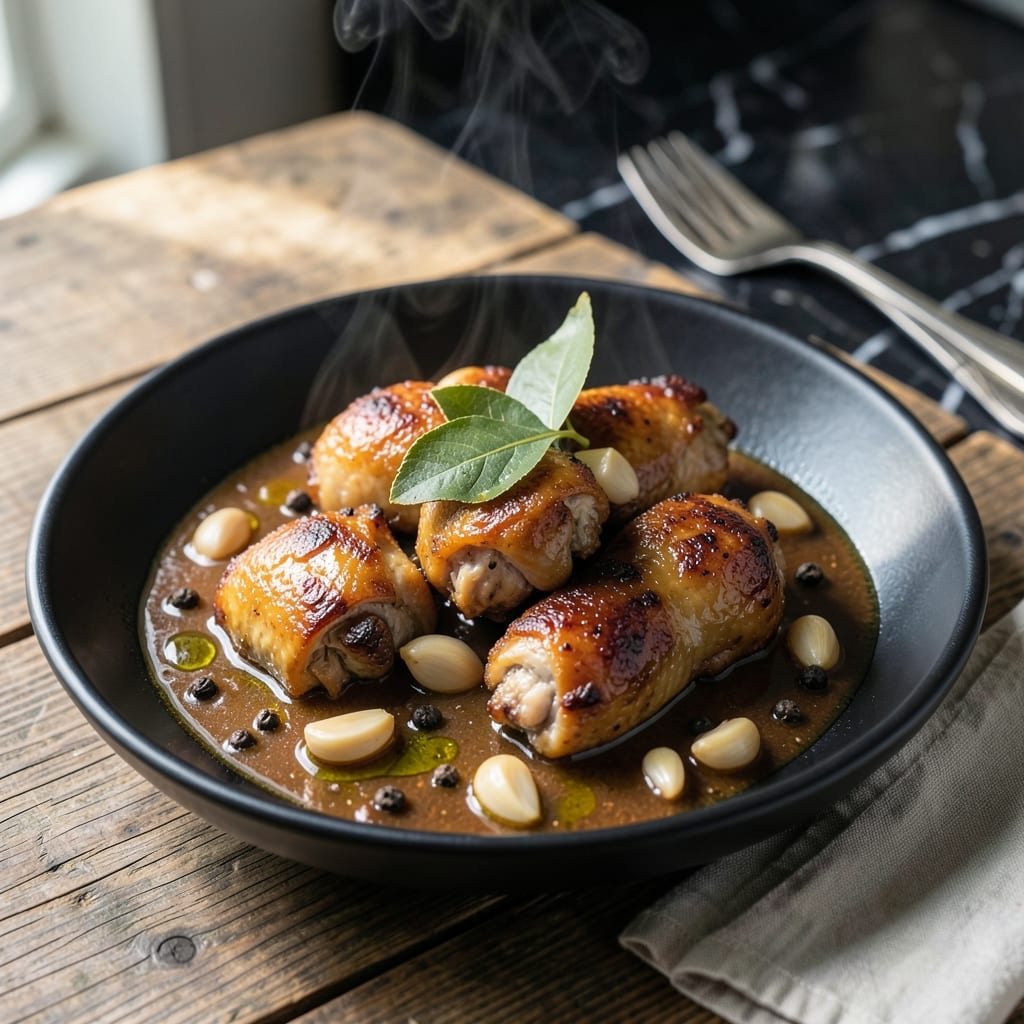
I’ve spent years perfecting authentic Filipino dishes in my tiny Boston kitchen, and this collection brings those traditional flavors to your table. These recipes honor the methods and ingredients that define Pinoy cuisine.
Each dish stays true to its roots while using accessible ingredients from regular grocery stores. The instructions are clear and precise, ensuring you achieve the same rich, complex flavors I grew up appreciating.
From adobo to sinigang, these recipes deliver the comfort and authenticity of Filipino home cooking. The printable format makes it easy to keep these traditional favorites on hand.
You’ll find the same care in these recipes as I put into every dish I create. Let’s bring these flavors to life.
Ingredients for Pinoy Food Recipe Pdf
Traditional Filipino flavors come to life with these accessible, authentic ingredients from your local store.
| Ingredient | Amount | Notes |
|---|---|---|
| Chicken Thighs 🍗 | 2 lb | Boneless, skin-on preferred |
| White Vinegar 💧 | ¾ cup | Cane vinegar for authenticity |
| Soy Sauce 🫒 | ½ cup | Use Filipino brands like Silver Swan |
| Garlic Cloves 🧄 | 8 cloves | Peeled and smashed |
| Bay Leaves 🍃 | 3 whole | Dried or fresh |
| Black Peppercorns 🌶️ | 1 tbsp | Lightly crushed |
| Brown Sugar 🍚 | 2 tbsp | Optional for balance |
| Onion 🧅 | 1 whole | Yellow onion, sliced |
| Potatoes 🥔 | 1 lb | Yukon Gold, cut into chunks |
| Carrots 🥕 | 2 whole | Peeled and sliced |
| Tamarind Paste 🍋 | 2 tbsp | For sinigang-style sourness |
| Fish Sauce 🐟 | 1 tbsp | Filipino patis recommended |
| Green Beans 🌿 | ½ lb | Trimmed and halved |
| Cooking Oil 🫒 | 2 tbsp | Neutral oil for sautéing |
The soy sauce and vinegar are non-negotiable. Silver Swan or Datu Puti are the brands to look for at Asian markets—even the international aisle at Stop & Shop usually carries them. For the tamarind paste, those little jars at Trader Joe’s work in a pinch, but the stuff in packets from Filipino grocers has more depth. Chicken thighs (skin-on, bone-in) give you the richest flavor, but boneless is fine if that’s what’s available.
No tamarind? Lime juice plus a pinch of sugar gets you close to that tangy-sweet balance. For a vegetarian twist, swap fish sauce for extra soy sauce or coconut aminos. The vinegar can be apple cider in a bind, but white vinegar keeps the color cleaner. If you can’t find Filipino brands, Kikkoman soy sauce works, though it’s saltier—adjust to taste.
Most of these keep forever—vinegar, soy sauce, and fish sauce last years unopened. The tamarind paste stays good for 6-12 months in the fridge. Fresh veggies (green beans, carrots) are best used within 5 days, but the meat should be cooked within 2 days of purchase.
Why You’ll Love This Recipe
- One Pan Wonder: I toss everything in—chicken, vinegar, soy sauce, garlic—and let it simmer. Honestly, cleanup is just one pot.
- Tangy Depth: The vinegar and soy sauce balance is spot-on, with garlic and bay leaves adding layers. I’ll be real: I’ve made this three times this month.
- Weeknight Hero: Between us, this is my go-to when I need dinner fast but still crave-worthy. (Yes, even on a Tuesday night)
- Stretches Far: Chicken thighs are budget-friendly, and the leftovers taste even better the next day. I love packing these for lunch.
Step-by-Step Instructions for Traditional Filipino Chicken Adobo with Vegetables
This authentic method delivers the tangy, savory depth that defines this beloved dish.
Step 1: Sear the Chicken Thighs for Rich Flavor
Heat the 2 tbsp cooking oil in a large pot over medium-high heat. Add the 2 lb chicken thighs skin-side down and sear for 5-6 minutes until the skin turns deep golden brown and crispy.
I press down gently with a spatula during the first minute to ensure even contact with the pan. Flip and sear the other side for 3-4 minutes. The chicken should release easily when it’s ready to turn—don’t force it. Remove the chicken and set aside.
Step 2: Build the Adobo Base with Aromatics
In the same pot, add the sliced onion, 8 cloves garlic cloves, 3 whole bay leaves, and 1 tbsp black peppercorns. Sauté for 2-3 minutes until the onion softens and the garlic turns light golden.
Pour in the 0.75 cup white vinegar, 0.5 cup soy sauce, 2 tbsp brown sugar, 2 tbsp tamarind paste, and 1 tbsp fish sauce. Stir well to dissolve the sugar and combine all the flavors. Let it simmer for 2 minutes to meld the aromatics.
Step 3: Braise the Chicken and Vegetables
Return the chicken to the pot along with any accumulated juices. Add the 1 lb potatoes (cut into chunks), 2 whole carrots (peeled and sliced), and 0.5 lb green beans (trimmed and halved). Stir to coat everything in the sauce.
Bring the mixture to a boil, then reduce the heat to low. Cover and let it simmer gently for 30-35 minutes, stirring occasionally. You’ll know it’s done when the chicken is fork-tender and the potatoes are easily pierced with a knife.
Step 4: Reduce the Sauce to Perfection
Uncover the pot and increase the heat to medium. Simmer for an additional 10-12 minutes, stirring frequently, until the sauce thickens slightly and coats the back of a spoon. The sauce should be rich and glossy, not watery.
Taste and adjust the seasoning if needed—though the combination of soy sauce, vinegar, and tamarind paste usually creates a perfect balance. The chicken should be falling off the bone, and the vegetables should be tender but still hold their shape.
Serve hot over steamed rice, with extra sauce spooned on top. The flavors deepen as it sits, so this dish tastes even better the next day.
Pro Tips For Making Pinoy Food Recipe Pdf
- Marinate Longer: Give the chicken thighs at least 30 minutes in the vinegar-soy-garlic mix—any less and the flavors stay on the surface instead of sinking in. I learned this the hard way after serving bland chicken to guests.
- Brown the Thighs: Sear the chicken thighs first in a hot pan until golden—about 3-4 minutes per side—before adding the marinade. This locks in the juices and adds depth to the dish.
- Use Fresh Bay Leaves: Skip the dried bay leaves if you can; fresh ones release more aroma and actually change the outcome. Two leaves are plenty for this recipe.
- Simmer Gently: Once the sauce is in, keep the heat low to medium—too high and the vinegar will evaporate too fast, leaving the dish overly salty. A gentle simmer for 20-25 minutes does the trick.
Common Mistakes When Making pinoy food recipe pdf
Over-vinegaring the Dish
Using too much vinegar is the most common mistake—I learned this the hard way in my tiny Boston kitchen. Stick to exactly 0.75 cup white vinegar for 2 lb chicken. More than that will make your adobo unpleasantly sour rather than tangy. 💡
Skipping the Sear
Don’t rush the chicken searing step. Those 5-6 minutes of medium-high heat contact develop the Maillard reaction, creating deep flavor in the sauce. I press the thighs gently to ensure full contact with the pan.
Boiling Instead of Simmering
A rolling boil will toughen the chicken. After bringing to a boil, immediately reduce to a gentle simmer at low heat. The 30-35 minute braise should barely bubble—this keeps the meat tender and the vegetables intact.
Using Wrong Soy Sauce
Regular soy sauce lacks the depth of Filipino brands. I always use Silver Swan or Datu Puti—they’re saltier and more complex. If you must substitute, reduce the amount by 25% and adjust to taste.
Adding Tamarind Too Early
Tamarind paste can curdle in high heat. Stir it into the sauce only after you’ve sautéed the aromatics and reduced the heat. The 2 tbsp will integrate smoothly into the warm liquid without separating.
Overcooking Vegetables
The potatoes and carrots should be tender but not mushy. Test them at 25 minutes—if they’re nearly done, remove the pot from heat. The residual heat will finish the cooking perfectly. This dish tastes even better the next day. 🍛
Nutrition Facts
Frequently Asked Questions
Where can I find Filipino ingredients for these recipes?
Check the international aisle at major grocery chains like Stop & Shop. Asian markets typically carry Silver Swan soy sauce and Datu Puti vinegar. Some Trader Joe’s locations also stock tamarind paste.
Can I make these dishes without a PDF printer?
Yes! Save the recipe to your phone or tablet for easy reference. Most devices let you bookmark web pages or save as a digital note. The printable format also works great on screens.
How do I adjust the sourness level?
Start with 2 tbsp tamarind paste and taste before adding more. For less tang, reduce vinegar by 1-2 tbsp. Balance with a pinch of sugar if needed. The flavors meld as it simmers.

- Potato Candy Recipe 1933: Vintage Peanut Butter Roll Delight - October 30, 2026
- Potato Chip Cookie Recipe With Pecans: Buttery Crunch Meets Nutty Richness - October 30, 2026
- Potato Patty Recipe No Egg: Crispy Edges Without the Binder - October 30, 2026