
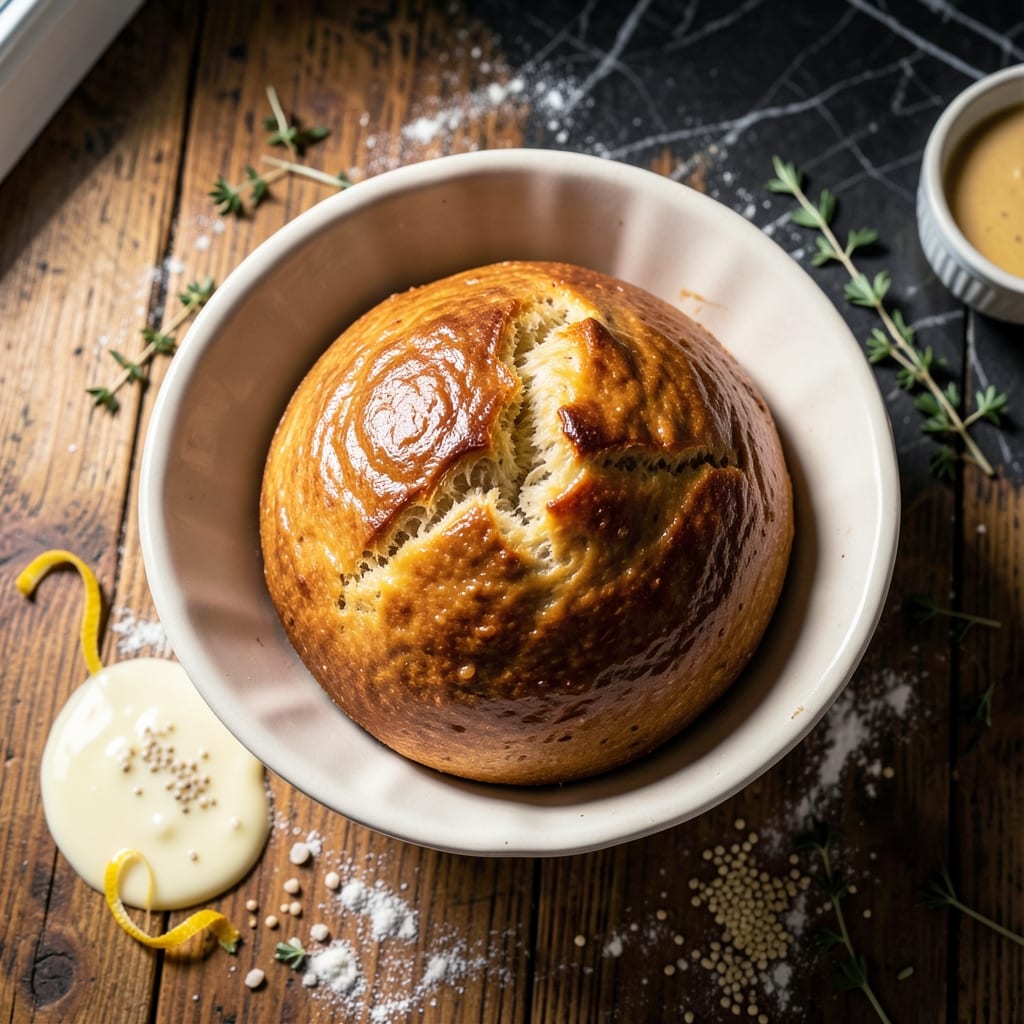
There’s nothing like the aroma of fresh bread filling your kitchen, and this homemade loaf delivers a soft cloud-like texture that’s hard to resist. I remember watching my grandmother work dough with such care, and this recipe brings back those memories with every slice.
This bread relies on traditional yeast-based techniques that ensure a perfect rise and tender crumb. The process is straightforward but requires patience, as the dough needs time to proof properly. The result is a light, airy loaf that’s perfect for sandwiches or toast.
Each bite offers the comforting taste of homemade bread, with a delicate crust and pillowy interior. It’s the kind of recipe that turns a simple afternoon into something special.
Whether you’re new to bread-making or a seasoned baker, this method will guide you to consistent, restaurant-quality results every time.
Ingredients for Pioneer Woman White Bread Recipe with Yeast
Simple, high-quality ingredients create this pillowy homemade loaf with nostalgic aroma and texture.
| Ingredient | Amount | Notes |
|---|---|---|
| Bread Flour 🌾 | 6 cups | All-purpose works in a pinch |
| Active Dry Yeast 🍞 | 2 ¼ tsp | Or one packet, proofed |
| Granulated Sugar 🍚 | ¼ cup | Feeds the yeast for rise |
| Kosher Salt 🧂 | 2 tsp | Diamond Crystal preferred |
| Whole Milk 🥛 | 2 cups | Warmed to 110°F |
| Unsalted Butter 🧈 | ¼ cup | Melted and cooled |
| Large Egg 🥚 | 1 whole | Room temperature |
| Vegetable Oil 🫒 | 1 tbsp | For greasing bowl |
| Honey 🍯 | 2 tbsp | Optional for sweetness |
| Vital Wheat Gluten 🌾 | 1 tbsp | For extra chewiness |
For optimal results, King Arthur Bread Flour is ideal due to its higher protein content, which develops the gluten structure beautifully. Fleischmann’s RapidRise yeast is reliable and widely available at most supermarkets. The milk should be gently warmed (not hot) to avoid killing the yeast—use a thermometer for precision (the good stuff, not the pre-shredded kind).
No bread flour? All-purpose flour plus vital wheat gluten at a ratio of 1 tablespoon per cup of flour works well. Out of milk? Equal parts warm water and evaporated milk or even dairy-free milk will do. The honey can be omitted or replaced with maple syrup for a vegan option, though texture may vary slightly.
Store yeast in the freezer to extend shelf life for 6-12 months. The dough can be refrigerated overnight for a slow rise, enhancing flavor. Baked loaves keep at room temperature for 2-3 days or freeze for 1 month (worth the extra minute).
Why You’ll Love This Recipe
- No-Fuss Rising: I let the yeast do the heavy lifting—just mix, wait, and bake while the whole milk gives it that tender crumb.
- Buttery Softness: The sugar and whole milk create a loaf so pillowy, I’ve caught my family sneaking slices straight from the pan.
- Sandwich Savior: From school lunches to Sunday brunch French toast, this bread handles everything I throw at it.
- Penny-Wise Loaf: Bread flour and yeast stretch further than store-bought, and honestly, it tastes like a bakery spent hours on it.
Step-by-Step Instructions for Pioneer Woman White Bread With Yeast
This method ensures a perfectly soft, airy loaf with a golden crust every time.
Step 1: Activate the Yeast and Combine Wet Ingredients
Begin by warming the 2 cups whole milk to 110°F—it should feel just warm to the touch, not hot. In the bowl of a stand mixer, whisk together the warmed milk, 0.25 cup granulated sugar, 2.25 tsp active dry yeast, and 2 tbsp honey. Let this mixture sit for 5-7 minutes until it becomes foamy and slightly domed.
This foaming confirms the yeast is active and ready to work. Once activated, add the 0.25 cup unsalted butter (melted and cooled) and 1 whole large egg, mixing on low until fully incorporated. The butter should be cool enough that it doesn’t kill the yeast but still liquid for easy mixing.
Step 2: Incorporate Dry Ingredients to Form the Dough
In a separate bowl, whisk together 6 cups bread flour, 2 tsp kosher salt, and 1 tbsp vital wheat gluten. Gradually add this dry mixture to the wet ingredients in the stand mixer, using the dough hook attachment on low speed. Mix until the dough just comes together—it will look shaggy at first.
Increase the speed to medium and knead for 6-8 minutes until the dough is smooth, elastic, and pulls away from the sides of the bowl. If the dough feels too sticky, resist the urge to add more flour; instead, knead a bit longer. The vital wheat gluten ensures extra chewiness without denseness.
Step 3: First Rise Until Doubled in Size
Lightly grease a large bowl with 1 tbsp vegetable oil and transfer the dough to it, turning once to coat all sides. Cover the bowl with a clean kitchen towel or plastic wrap and place it in a warm, draft-free spot. Allow the dough to rise for 1 to 1.5 hours or until it has doubled in volume.
I like to preheat my oven to 200°F for 2 minutes, then turn it off and place the bowl inside to speed up the process. The dough is ready when it springs back slowly when gently pressed with a finger, leaving a slight indentation.
Step 4: Shape, Second Rise, and Bake
Punch down the risen dough to release the air, then transfer it to a lightly floured surface. Shape it into a loaf by flattening it into a rectangle and rolling it tightly from the short end, pinching the seam and tucking it under. Place the shaped loaf seam-side down in a greased 9×5-inch loaf pan.
Cover the pan with the towel and let the dough rise again for 30-45 minutes until it domes about 1 inch above the rim of the pan. Preheat the oven to 375°F. Bake for 30-35 minutes until the top is deep golden brown and the internal temperature reaches 190-200°F.
Step 5: Cool Before Slicing
Remove the loaf from the pan and let it cool on a wire rack for at least 20 minutes before slicing. This resting period allows the crumb to set properly, preventing a gummy texture. The bread should have a soft, cloud-like interior with a tender crust.
For best results, avoid slicing while hot—patience ensures clean cuts and peak flavor development. Store leftovers in an airtight container at room temperature for up to 3 days.
Pro Tips For Making Pioneer Woman White Bread Recipe With Yeast
- Activate the Yeast: Bloom your active dry yeast in the warmed whole milk with a pinch of sugar for 5-10 minutes until foamy—if it doesn’t bubble, your yeast is dead and the bread won’t rise.
- Use Bread Flour: Skip all-purpose flour here; bread flour’s higher protein content gives this white bread its proper structure and chew.
- Don’t Overproof: After the first rise, gently press the dough—if it springs back slowly, it’s ready; if it doesn’t spring back at all, you’ve overproofed and the loaf will collapse.
- Brush with Butter: Right after baking, brush the hot crust with melted butter for a softer, more flavorful finish—sounds simple, but it actually changes the outcome.
Serving Suggestions for pioneer woman white bread recipe with yeast
Fresh from the Oven
I love serving this loaf warm, straight from the pan, with a simple spread of salted butter. The contrast between the crisp crust and soft interior is magical. Just let it cool for 20 minutes first so it slices cleanly. 💛
Classic Pairings
This bread makes incredible grilled cheese sandwiches—use sharp cheddar and a touch of Dijon mustard for depth. It also shines as garlic bread when brushed with garlic butter and broiled for 2 minutes until golden.
Soup Companions
Serve thick slices alongside tomato basil soup or a hearty minestrone. The bread soaks up broth beautifully without falling apart. I often toast the slices lightly first for extra texture.
Sweet Treats
For breakfast or dessert, transform slices into French toast with cinnamon and vanilla. Or make bread pudding with raisins and a custard of 4 eggs and 2 cups milk. The soft crumb absorbs flavors perfectly.
Gourmet Touches
Elevate your serving with olive oil and balsamic vinegar for dipping. Add a sprinkle of flaky sea salt and fresh rosemary. This simple touch brings out the bread’s natural sweetness. ✨
Party Platter
Arrange slices on a wooden board with cheeses, cured meats, and olives for an Italian-inspired spread. The mild flavor lets other ingredients shine. It’s how we did Sunday dinners in Sicily.
Nutrition Facts
Frequently Asked Questions
Can I use instant yeast instead of active dry?
Yes, you can substitute instant yeast in the same amount without proofing first. Just add it directly to your dry ingredients, skipping the 5-7 minutes foaming step.
Why didn’t my bread rise properly?
Common culprits include expired yeast or milk that was too hot (110°F max). Also ensure your dough rests in a warm, draft-free spot for the full 1 to 1.5 hours.
How do I know when the bread is done?
The loaf should be deep golden brown with an internal temperature of 190-200°F. If the top browns too quickly, tent with foil during the last 10 minutes of baking.
Can I make this without a stand mixer?
Knead by hand for 8-10 minutes until smooth. The dough will be sticky at first, but resist adding extra flour—patience is key.

- Potato Candy Recipe 1933: Vintage Peanut Butter Roll Delight - October 30, 2026
- Potato Chip Cookie Recipe With Pecans: Buttery Crunch Meets Nutty Richness - October 30, 2026
- Potato Patty Recipe No Egg: Crispy Edges Without the Binder - October 30, 2026