
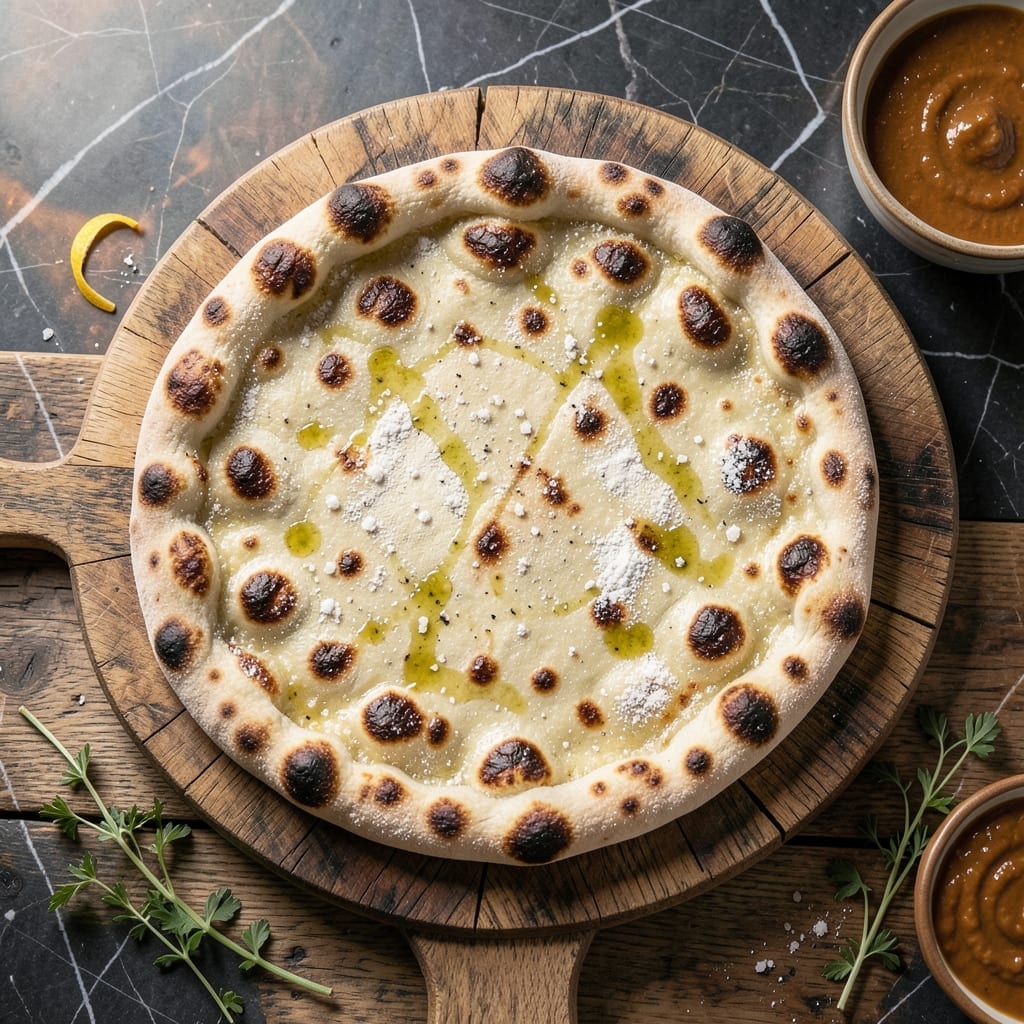
Achieving professional-quality pizza crust at home starts with the right technique for your pizza oven. This recipe delivers a blistered, bubble-filled crust with minimal effort.
The dough comes together quickly with basic pantry staples, then rests to develop flavor and texture. A high-temperature pizza oven ensures the perfect bake—crispy outside with a chewy interior.
You’ll get restaurant-style results with each pie, thanks to the oven’s intense heat. The crust puffs beautifully, creating those signature airy pockets.
No special skills required—just follow the steps for a foolproof crust every time.
Ingredients for Pizza Crust Recipe for Pizza Oven
Professional-quality pizza begins with these foundational ingredients for your oven.
| Ingredient | Amount | Notes |
|---|---|---|
| Bread Flour 🌾 | 3 ½ cups | High-protein for chewy texture |
| Active Dry Yeast 🍞 | 2 ¼ tsp | Or one 0.25 oz packet |
| Fine Sea Salt 🧂 | 1 ½ tsp | Diamond Crystal preferred |
| Granulated Sugar 💧 | 1 tsp | Feeds the yeast activation |
| Extra-Virgin Olive Oil 🫒 | 2 tbsp | Plus extra for greasing bowl |
| Warm Water 💧 | 1 ½ cups | 105-110°F for yeast |
| Semolina Flour 🌾 | ½ cup | For dusting pizza peel |
| Cornmeal 🌽 | ¼ cup | Alternative to semolina |
| All-Purpose Flour 🌾 | ½ cup | For dusting work surface |
The flour is critical here. King Arthur Bread Flour delivers consistent protein content (12.7%) for that chewy texture. Bob’s Red Mill is a solid alternative. Yeast freshness is non-negotiable—check the expiration date and store unopened packets in the freezer. For olive oil, California Olive Ranch or Colavita offer reliable quality without breaking the bank.
No bread flour? All-purpose with 1 tbsp vital wheat gluten per cup approximates the protein content. Active dry yeast and instant yeast are interchangeable in equal amounts. The sugar can be swapped for honey or agave at the same quantity. Semolina not available? Cornmeal or fine polenta work equally well for preventing sticking.
Dough balls can rest in the fridge for 24-48 hours for deeper flavor development. Store yeast in an airtight container in the freezer for up to 1 year. Flour keeps best in a cool, dark place for 6-12 months.
Why You’ll Love This Recipe
- One Bowl Wonder: I mix the bread flour, yeast, and a pinch of sugar in one bowl—no fancy tools, just my hands and a little olive oil to bring it together.
- Crispy Perfection: The pizza oven gives this crust a blistered, golden edge with a tender bite, thanks to that touch of olive oil in the dough.
- Weeknight Hero: Honestly, I prep the dough in the morning and let it rise all day—by dinner, it’s ready to stretch and top however we’re craving.
- Budget Stretch: A bag of bread flour and a packet of yeast make four crusts for the price of one takeout pizza, and the leftovers reheat like a dream.
Step-by-Step Instructions for Pizza Crust
Achieve the perfect blistered crust with this precise method for high-heat cooking.
Step 1: Activate the Yeast and Begin the Dough
In the bowl of a stand mixer, combine the 1.5 cups warm water with the 2.25 tsp active dry yeast and 1 tsp granulated sugar. Let this mixture sit for 5-7 minutes until it becomes foamy and cloudy—this visual confirmation means your yeast is active and ready.
Add the 3.5 cups bread flour and 1.5 tsp fine sea salt to the yeast mixture. Using the dough hook attachment, mix on low speed until a shaggy dough forms, then increase to medium speed for 6-8 minutes until the dough is smooth and elastic. The dough should pull away from the bowl but still feel slightly tacky.
Step 2: Incorporate Olive Oil and First Rise
With the mixer running on low, slowly drizzle in the 2 tbsp extra-virgin olive oil and continue kneading for an additional 2 minutes until the oil is fully incorporated and the dough is glossy. This fat addition enhances extensibility for stretching.
Transfer the dough to a lightly oiled bowl (using a bit of the extra-virgin olive oil), turning to coat all sides. Cover with a damp towel and let rise in a warm, draft-free place for 1.5-2 hours, or until doubled in volume. The dough should spring back slowly when poked.
Step 3: Portion and Second Rise
Turn the risen dough onto a surface lightly dusted with 0.5 cup all-purpose flour. Divide into 4 equal portions (about 280g each) for individual pizzas. Shape each portion into a tight ball by pulling the edges toward the center and pinching to seal.
Place the dough balls on a floured surface (using more of the all-purpose flour as needed), cover with a damp towel, and let rest for 30-45 minutes. This second rise relaxes the gluten, making the dough easier to stretch without tearing.
Step 4: Shape and Prepare for the Pizza Oven
Dust your work surface with 0.5 cup semolina flour (or use 0.25 cup cornmeal as an alternative) to prevent sticking. Take one dough ball and press it gently with your fingertips, starting from the center and working outward, leaving a slightly thicker rim for the crust.
Stretch the dough to a 12-inch round by draping it over your knuckles and rotating, or by pressing gently with your palms. The dough should be thin enough to see slight translucency when held to light but not so thin that it tears. Transfer to a pizza peel dusted with semolina flour.
Step 5: Bake in the Pizza Oven
Preheat your pizza oven to 800-900°F. Slide the dough onto the preheated stone or steel, using quick, confident motions to avoid sticking. Bake for 60-90 seconds, rotating occasionally for even cooking.
The crust should puff with air pockets and develop charred, blistered spots for that signature wood-fired appearance. Remove when the edges are deeply golden and the bottom is crisp. Your crust is now ready for toppings or to be served as-is.
Pro Tips For Making Pizza Crust Recipe For Pizza Oven
- Preheat the Stone: Crank your pizza oven to at least 700°F and give the stone 30-45 minutes to heat through—I learned this the hard way after pulling out pale, soggy crusts from a “hot enough” oven.
- Use High-Protein Flour: Bread flour (12-14% protein) gives that chewy, airy crumb; all-purpose just doesn’t have the gluten strength to hold up in a screaming-hot pizza oven.
- Skip Cold Proofing: Room temperature rise (70-75°F) for 1-2 hours beats cold fermentation for pizza oven crusts—it develops flavor fast without making the dough too slack to stretch thin.
- Oil the Bowl: Coat the rising bowl with about 1 tablespoon of that extra-virgin olive oil before the first proof; it prevents sticking and makes the dough easier to handle when shaping.
Flavor Customization for This Recipe
Herb-Infused Crust
Mix 1 tbsp dried rosemary or 2 tbsp fresh basil directly into the flour before combining with liquids. The heat of the pizza oven releases aromatic oils, creating a fragrant, herbaceously crisp base. I love this with a garlic butter brush after baking. 🌿
Spicy Kick
Add ½ tsp red pepper flakes or 1 tbsp gochugaru to your dough for subtle heat. The capsaicin intensifies slightly during the 800-900°F bake, balancing sweet tomato sauce beautifully.
Cheesy Edge
Press ¼ cup grated Parmesan into the outer rim before baking. The cheese melts into the crust, creating a crispy, savory border that kids and adults adore. Use freshly grated for best melt.
Garlic Lovers
Blend 3 minced garlic cloves into the olive oil before incorporating into the dough. The garlic mellows during the 1.5-2 hour rise, infusing every bite with rich, sweet allium flavor.
Whole Grain Twist
Replace 1 cup bread flour with whole wheat flour for nutty depth. The higher protein content still allows for proper gluten development, though the crust will be slightly denser. 💪
Sweet Finish
Drizzle 1 tbsp honey into the warm water with yeast for subtle sweetness. This pairs wonderfully with spicy toppings or as a dessert base with Nutella and berries.
Nutrition Facts
Frequently Asked Questions
What temperature should my pizza oven be?
Preheat your oven to 800-900°F for authentic results. This extreme heat creates the signature blistered crust in just 60-90 seconds. Lower temps will require longer bake times and may not achieve the same texture.
Can I make this dough ahead of time?
Yes! After the first rise, shape into balls and refrigerate for 24-48 hours. The cold fermentation develops deeper flavor and makes the dough easier to handle. Let it come to room temperature before shaping.
Why does my crust tear when stretching?
This usually means the gluten is too tight. Ensure you’ve completed the 30-45 minute second rise. If it still tears, let the dough rest for 10-15 minutes more before trying again.
What if I don’t have bread flour?
Use all-purpose flour with 1 tbsp vital wheat gluten per cup to match the protein content. This substitution works well, though the texture may be slightly less chewy.

- Potato Candy Recipe 1933: Vintage Peanut Butter Roll Delight - October 30, 2026
- Potato Chip Cookie Recipe With Pecans: Buttery Crunch Meets Nutty Richness - October 30, 2026
- Potato Patty Recipe No Egg: Crispy Edges Without the Binder - October 30, 2026