
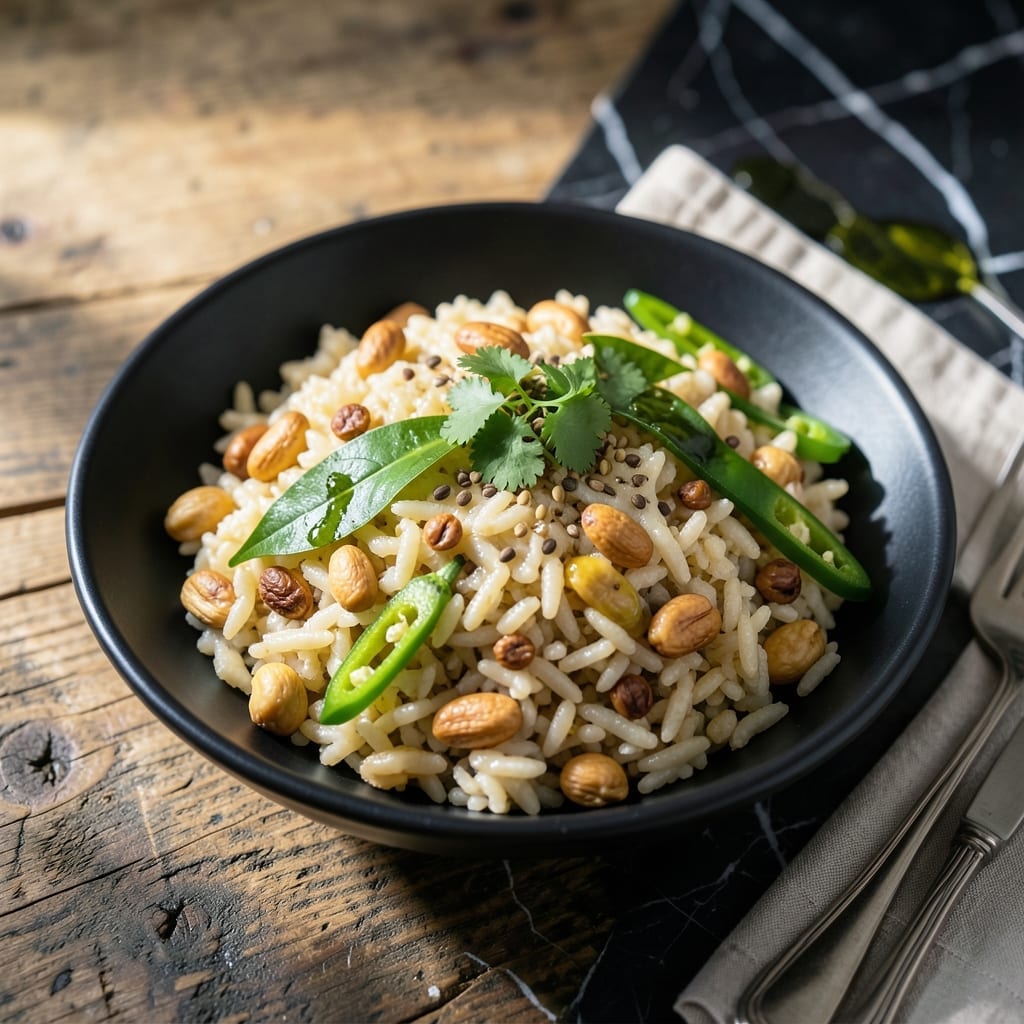
This flattened rice dish delivers a fast breakfast with authentic Indian flavors in under 20 minutes. The secret lies in proper tempering of mustard seeds, curry leaves, and turmeric to infuse every grain with aroma.
I perfected this home-style method after testing various ratios of thick to thin poha. The key is soaking the rice flakes just until tender, not mushy, before combining with the spiced mixture.
What results is a light yet satisfying meal with soft rice, crisp vegetables, and a burst of fresh cilantro. The turmeric gives it a golden hue while peanuts add a subtle crunch.
Serve hot with a squeeze of lemon for brightness. This dish proves quick meals can still deliver depth of flavor.
Ingredients for Poha Recipe Home Cooking
Fresh poha, vibrant spices, and crisp vegetables make this dish sing in minutes.
| Ingredient | Amount | Notes |
|---|---|---|
| Thick Poha (Flattened Rice Flakes) 🍚 | 3 cups | Rinsed and drained well |
| Peanuts 🥜 | ½ cup | Raw or lightly roasted |
| Mustard Seeds 🌿 | 1 tsp | Black or yellow variety |
| Cumin Seeds 🌿 | 1 tsp | Freshly ground preferred |
| Curry Leaves 🍃 | 10 pieces | Fresh or dried |
| Green Chilies 🌶️ | 2 whole | Finely chopped, adjust to taste |
| Turmeric Powder 🌿 | ½ tsp | For golden color |
| Onion 🧅 | 1 whole | Medium size, finely diced |
| Potatoes 🥔 | 2 whole | Small, diced into cubes |
| Fresh Cilantro 🌿 | ¼ cup | Chopped for garnish |
| Lemon 🍋 | ½ whole | For fresh juice |
| Salt 🧂 | 1 tsp | Adjust to taste |
| Sugar 🧈 | ½ tsp | Optional, for balance |
| Olive Oil 🫒 | 3 tbsp | For tempering spices |
The poha quality is non-negotiable. Thick flakes from an Indian grocery store yield the best texture—avoid thin varieties that turn mushy. Mustard seeds and curry leaves are essential for authentic tempering; find them in Patel Brothers or H-Mart. Turmeric should be fresh, with a vibrant golden hue, to achieve that signature color. Peanuts add a satisfying crunch, so opt for raw or lightly roasted for best results.
No curry leaves? Dried bay leaves at half the quantity work in a pinch. Substitute green chilies with serrano peppers for heat or bell peppers for mildness. Short on time? Pre-diced frozen onions and potatoes save prep without sacrificing flavor. For extra richness, a pinch of asafoetida (hing) enhances the tempering, but it’s optional.
Store poha in an airtight container to prevent moisture absorption. Tempered spices and cooked vegetables keep in the fridge for 2-3 days. Reheat gently with a splash of water to restore freshness. Serve immediately for optimal texture and flavor.
Why You’ll Love This Recipe
- Ready in 15: I can have this on the table faster than it takes to decide what to order in. Just soak, temper, and toss.
- Nutty Crunch: The peanuts toasted with mustard and cumin seeds give that warm, earthy bite that makes every spoonful addictive.
- Breakfast or Dinner: Honestly, it works for a quick morning fuel or a light supper—no rules here.
- Pantry Hero: Thick poha and basic spices mean I can make this without a last-minute grocery run.
Step-by-Step Instructions for Flattened Rice Breakfast
This method delivers perfectly fluffy poha with vibrant flavors in minimal time.
Step 1: Rinse and Drain the Poha
Place the 3 cups Thick Poha (Flattened Rice Flakes) in a fine-mesh colander and rinse under cold running water for 30-45 seconds. Use your hands to gently agitate the flakes, ensuring each one gets wet. The water should run clear at the end.
Let it drain completely for 5 minutes. This step is crucial—proper drainage prevents the poha from becoming mushy during cooking. I always set a timer to avoid over-soaking. The flakes should be moist but not wet when you’re ready to use them.
Step 2: Temper the Spices and Cook the Vegetables
Heat the 3 tbsp Olive Oil in a large skillet over medium heat. Add the 1 tsp Mustard Seeds and 1 tsp Cumin Seeds, cooking until the mustard seeds begin to pop—this takes about 1-2 minutes. The seeds will release their aroma, signaling they’re ready.
Immediately add the 10 pieces Curry Leaves, 2 whole Green Chilies, and 0.5 cup Peanuts. Stir for 1 minute until the peanuts turn lightly golden. Then add the 1 whole Onion and cook for 2-3 minutes until translucent. The onions should soften but not brown.
Add the 2 whole Potatoes, diced into small cubes. Cook for 5-6 minutes until the potatoes are tender and lightly browned. Stir occasionally to prevent sticking. The potatoes should be soft enough to pierce easily with a fork.
Step 3: Combine and Season
Reduce the heat to low and add the drained poha to the skillet. Gently fold everything together with a spatula, taking care not to break the flattened rice flakes. Add the 0.5 tsp Turmeric Powder, 1 tsp Salt, and 0.5 tsp Sugar. The turmeric will coat the poha, giving it a vibrant golden hue.
Cook for an additional 3-4 minutes, stirring gently to combine all the flavors. The poha should be heated through and fragrant. Taste and adjust the salt if needed, but remember the peanuts and potatoes absorb some of the seasoning.
Step 4: Finish and Serve
Turn off the heat and squeeze the juice from the 0.5 whole Lemon over the poha. Stir to distribute the juice evenly. The acidity brightens all the flavors and balances the dish.
Garnish with the 0.25 cup Fresh Cilantro, chopped. Serve immediately while warm. The cilantro adds a fresh, herbal note that complements the earthy spices. This dish is best enjoyed fresh, with each bite offering a mix of textures—soft poha, crunchy peanuts, and tender potatoes.
Pro Tips For Making Poha Recipe Home Cooking
- Rinse and Drain: Wash the thick poha in a colander and drain immediately—let it sit for just 5 minutes to soften. Any longer and you’ll end up with mushy poha instead of fluffy grains.
- Toast the Peanuts: Roast the peanuts in the same pan before adding mustard seeds—about 2-3 minutes on medium heat until golden. I learned this the hard way: skipping this step leaves them raw and crunchy.
- Temper the Spices: Heat the oil, then add mustard seeds first—they should splutter in 10-15 seconds before you toss in cumin and curry leaves. If the oil isn’t hot enough, the spices won’t release their full flavor.
- Use Thick Poha: Skip the thin variety—thick poha holds up better to the moisture and stir-frying. Sounds obvious, but I’ve ruined batches by assuming all poha behaves the same.
Flavor Customization for poha recipe home cooking
Spice Level Adjustments
For milder heat, reduce green chilies to 1 or substitute with ½ bell pepper. I often remove seeds for a gentler kick. For extra spice, add ½ tsp red chili powder with the turmeric. 🌶️
Vegetable Variations
Swap potatoes for ½ cup diced carrots or ½ cup green peas. I love adding ¼ cup grated coconut for a South Indian touch. Frozen peas work great—just thaw before cooking.
Protein Additions
For a heartier meal, stir in 1 cup cooked chickpeas or ½ cup crumbled paneer with the poha. I sometimes add 2 scrambled eggs at the end for extra protein. These additions pair well with the existing spices.
Herb and Citrus Twists
Replace cilantro with ¼ cup mint leaves for a refreshing change. For tang, increase lemon juice to 1 whole lemon. I also enjoy adding 1 tsp grated ginger with the tempering for depth. 💡
Crunchy Toppings
Enhance texture with ¼ cup chopped cashews instead of peanuts. For extra crunch, toast 2 tbsp coconut flakes and sprinkle on top. I often add 1 tbsp sesame seeds to the tempering for nutty aroma.
Sweet and Savory Balance
Adjust sugar to 1 tsp for a sweeter profile, or omit it entirely for a savory version. I find ½ tsp jaggery adds a caramelized depth. Balance is key—taste before final adjustments.
Nutrition Facts
Frequently Asked Questions
What type of poha works best?
Use thick poha flakes for the perfect texture. Thin varieties turn mushy when soaked, while thick ones hold their shape and absorb flavors beautifully.
Can I make this without curry leaves?
Yes! Substitute with ½ tsp dried bay leaves or a pinch of asafoetida for similar depth. The dish will still taste great, though curry leaves add authentic aroma.
How do I prevent soggy poha?
Drain thoroughly after rinsing and cook on low heat for only 3-4 minutes. Over-soaking or high heat makes it mushy.
What can I serve with this dish?
Pair with yogurt, sev (crispy chickpea noodles), or coconut chutney. A squeeze of lemon before serving enhances the flavors perfectly.

- Potato Chip Cookie Recipe With Pecans: Buttery Crunch Meets Nutty Richness - October 30, 2026
- Potato Patty Recipe No Egg: Crispy Edges Without the Binder - October 30, 2026
- Paula Deen’s Potato Chip Cookies Recipe: Salty-Sweet Crunch in Every Bite - October 30, 2026