
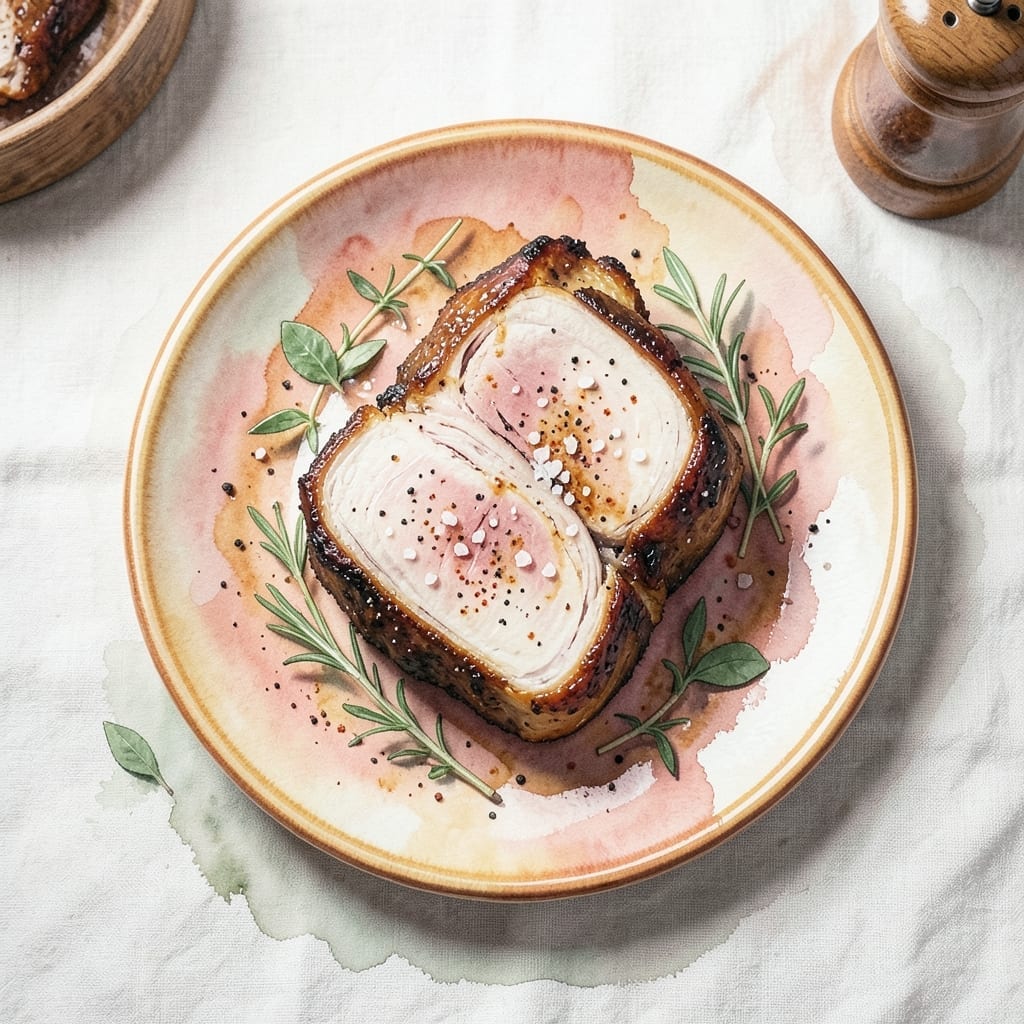
There’s nothing quite like slow-cooked pork butt that falls apart at the touch of a fork. This method transforms a humble cut into a meltingly tender centerpiece that works for any gathering.
I’ve refined this approach over years of weekend cooking, focusing on low heat and patience. The result is meat so soft it practically dissolves, with rich, concentrated flavor in every bite.
The secret lies in the slow cooking process, which breaks down connective tissue while keeping the pork juicy. A simple dry rub and time do most of the work for you.
Serve this with classic sides like coleslaw or cornbread for a meal that feels special without the fuss.
Ingredients for Pork Butt Recipe Ideas
Pantry staples and a pork butt—that’s all you need for this showstopper.
| Ingredient | Amount | Notes |
|---|---|---|
| Pork Butt 🥩 | 4 lb | Bone-in for best flavor |
| Kosher Salt 🧂 | 2 tbsp | Diamond Crystal preferred |
| Black Pepper 🌶️ | 1 tbsp | Freshly ground |
| Brown Sugar 🍚 | ½ cup | Light or dark works |
| Paprika 🌶️ | 2 tbsp | Sweet or smoked variety |
| Garlic Powder 🧄 | 1 tbsp | Not garlic salt |
| Onion Powder 🧅 | 1 tbsp | Fresh ground preferred |
| Dried Oregano 🍃 | 1 tbsp | Rub between fingers to release flavor |
| Cayenne Pepper 🔥 | ½ tsp | Adjust for heat preference |
| Apple Cider Vinegar 🍏 | ½ cup | For balancing richness |
| Chicken Broth 🍲 | 1 cup | Low-sodium preferred |
| Yellow Mustard 🟡 | ¼ cup | For tangy depth |
The pork is everything here. Bone-in pork butt from Costco or your local butcher gives you the best marbling and flavor (look for good fat streaks). I always grab a 4-pound roast—big enough for leftovers, small enough to fit in most slow cookers. Avoid pre-cut pork shoulder if you can; the whole roast holds moisture better during the long cook.
No apple cider vinegar? White vinegar with a teaspoon of sugar gets you close. Out of brown sugar? Honey or maple syrup works, though it’ll darken faster. The dried oregano can be swapped for fresh at triple the amount. Want more bark? Add 1 tbsp cornmeal to your dry rub. Don’t skip the mustard—it’s not for flavor, it’s for the crust (trust me on this).
Leftovers keep in the fridge for 4-5 days or freeze for 3 months. The fat solidifies when cold, so reheat gently with a splash of broth. Pull it into sandwiches, tacos, or just eat it straight from the pot (no judgment).
Why You’ll Love This Recipe
- Set and Forget: I rub the pork butt with salt, pepper, brown sugar, and paprika, pop it in the oven, and let it do its thing for hours.
- Sweet Heat: That brown sugar caramelizes with the paprika to give a smoky-sweet crust that’s downright addictive.
- Feeds the Gang: One pork butt yields enough for tacos tonight, sandwiches tomorrow, and maybe a batch of fried rice the next day.
- Budget Hero: Honestly, it’s one of the most affordable cuts, and with just four pantry staples, it turns into something extraordinary.
Step-by-Step Instructions for Slow Cooked Pork Butt
This method guarantees fall-apart tender meat with a rich, caramelized crust every time.
Step 1: Create the Flavor-Packed Dry Rub
In a small bowl, combine the 2 tbsp Kosher Salt, 1 tbsp Black Pepper, 0.5 cup Brown Sugar, 2 tbsp Paprika, 1 tbsp Garlic Powder, 1 tbsp Onion Powder, 1 tbsp Dried Oregano, and 0.5 tsp Cayenne Pepper. Stir until evenly mixed.
Rub between your fingers to break up any clumps in the brown sugar. This blend creates a sweet, smoky, slightly spicy crust that transforms into a sticky glaze as the pork butt cooks. Don’t be shy with the rub—you want a visible layer coating the entire surface.
Step 2: Coat and Sear the Pork Butt
Pat the 4 lb Pork Butt dry with paper towels—this helps the rub adhere and promotes better browning. Slather the entire surface with the 0.25 cup Yellow Mustard, then press the dry rub into every crevice. The mustard acts as a binder and adds a subtle tang.
In a Dutch oven over medium-high heat, sear the pork butt on all sides for 3-4 minutes per side until deeply browned. You’re looking for a dark, caramelized crust. This step builds a flavor foundation that will carry through the slow cooking process.
Step 3: Slow Cook with Liquid for Maximum Tenderness
After searing, pour in the 0.5 cup Apple Cider Vinegar and 1 cup Chicken Broth around the pork, not over it—this preserves the crust you just built. The liquid should come about halfway up the pork butt. Cover the Dutch oven tightly with a lid.
Transfer to a preheated 325°F oven and cook for 3-4 hours. You’ll know it’s ready when a fork slides in with absolutely no resistance. The meat should literally pull apart with a gentle tug.
Step 4: Rest and Shred the Pork
Remove the pork from the oven and let it rest in the cooking liquid for 30 minutes. This allows the juices to redistribute throughout the meat. The pork will be so tender that it’s nearly impossible to slice—shredding is the only way to go.
Use two forks to pull the meat apart into your desired size pieces. Mix the shredded pork with some of the cooking liquid to keep it moist. The result should be juicy, flavorful, and melt-in-your-mouth tender, with a rich, slightly tangy sauce clinging to every bite.
Pro Tips For Making Pork Butt Recipe Ideas
- Low and Slow: Cook pork butt at 225°F for at least 8 hours—I learned this the hard way after pulling tough, dry meat off the bone at 300°F.
- Score the Fat: Cut 1/4-inch deep crosshatches in the fat cap so your brown sugar and paprika rub actually penetrates and forms that sticky bark everyone fights over.
- Skip the Rush: Resist the urge to crank the heat to speed things up; pork butt needs time to break down, and shortcuts just leave you with chewy disappointment.
- Rest Before Pulling: Let the cooked pork butt sit wrapped in foil for 30 minutes—sounds tedious, but it keeps all the juices inside instead of pooling on your cutting board.
Creative Variations of This Recipe
Asian-Inspired Glaze
Swap the dry rub for a ¼ cup hoisin sauce and 2 tbsp soy sauce mixture, then add 1 tbsp grated ginger and 3 minced garlic cloves to the cooking liquid. The pork will take on a sticky, sweet-savory character that’s perfect for bao buns or rice bowls. 🥢
Cuban Mojito Style
After shredding, toss the pork with zest and juice of 2 limes, ¼ cup chopped mint, and 1 tbsp minced garlic. Serve on crusty rolls with pickles for a bright, refreshing twist that screams summer.
Smoky Chipotle Version
Add 2 tbsp chipotle in adobo and 1 tsp ground cumin to the dry rub. Replace apple cider vinegar with ½ cup orange juice for a Southwestern flair. This pairs amazingly with cilantro-lime slaw. 🔥
Cider-Braised Variation
Use 1 cup hard apple cider instead of chicken broth, and add 1 diced apple and 1 cinnamon stick to the cooking liquid. The result is a fall-inspired dish with warm spice notes.
Spicy Buffalo Twist
After cooking, shred the pork and toss with ½ cup Buffalo sauce and 2 tbsp melted butter. Serve with blue cheese dressing and celery sticks for a game-day crowd-pleaser.
Sweet Heat Carolina
Mix ½ cup ketchup, ¼ cup apple cider vinegar, and 2 tbsp brown sugar into the cooking liquid. The tangy, slightly sweet sauce is a Carolina classic that shines on sandwiches.
Nutrition Facts
Frequently Asked Questions
Can I use a slow cooker instead of the oven?
Cook on low for 8-10 hours or high for 5-6 hours. The texture will be just as tender, though you’ll miss the oven’s caramelization.
Why sear the pork first?
Searing creates a flavorful crust and deepens the meat’s taste. Skip this and you’ll lose that rich, complex base layer that makes the dish special.
How do I prevent dry pork?
Don’t overcook! Pull it at 195-203°F internal temp. Let it rest 30 minutes in the liquid before shredding to retain moisture.
What’s the best way to reheat leftovers?
Gently warm in a skillet with a splash of broth on medium-low heat. Microwave works too—cover with a damp paper towel and use 30-second intervals.

- BBQ Sausage Recipe Oven: Smoky Depth Without the Grill - September 28, 2026
- BBQ Chicken Bowl Recipe Rice: Smoky Sweetness Over Fluffy Grains - September 28, 2026
- Beef Cutlet Recipe Ideas: Crispy Breaded Patties With Bold Seasonings - September 28, 2026