
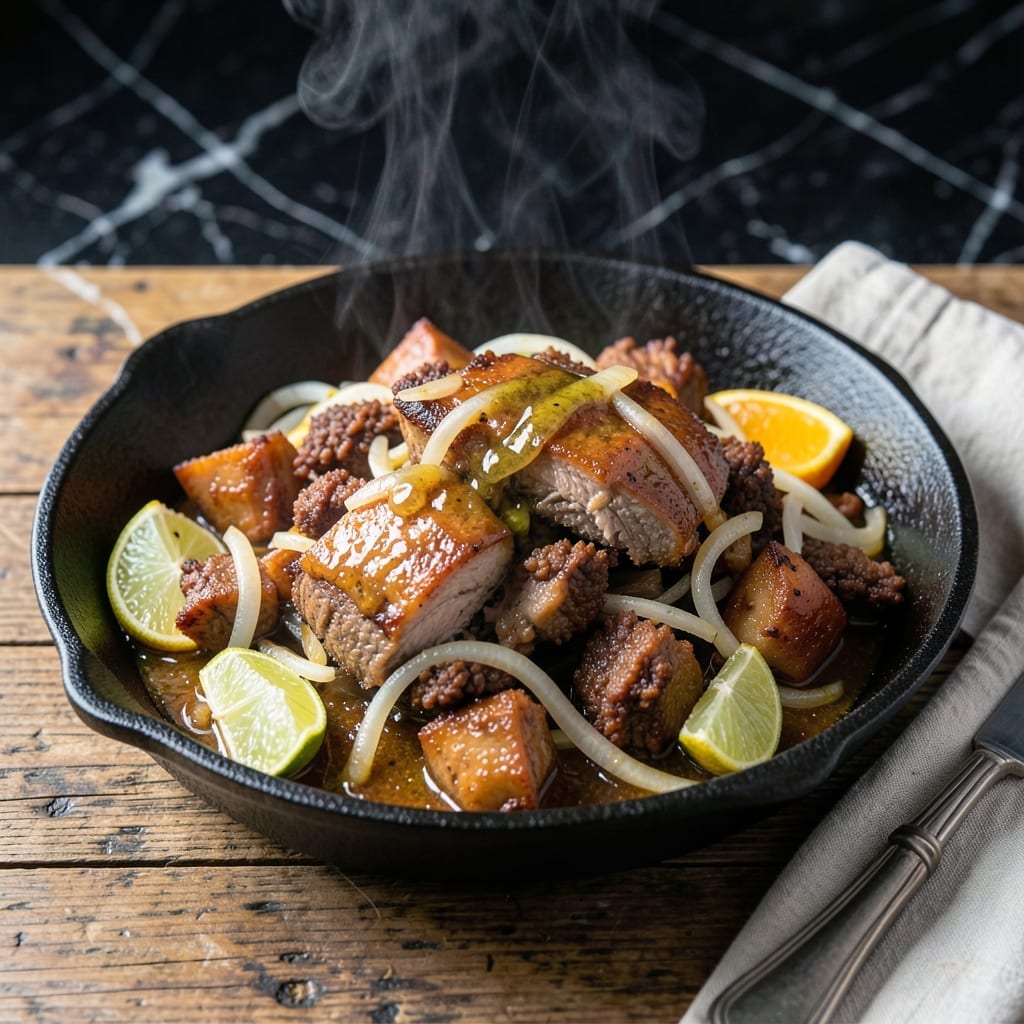
This carnitas recipe brings authentic Mexican flavors to your kitchen through a traditional slow-braising method.
I developed this version after studying Rick Bayless’ approach, focusing on tender, fall-apart pork with crispy edges. The process transforms tough cuts into melt-in-your-mouth perfection with minimal effort.
The pork first simmers in citrus and spices until fork-tender, then crisps in its own fat. This dual technique ensures deep flavor and ideal texture.
Serve these carnitas in tacos, burritos, or bowls for a meal that honors its roots while fitting seamlessly into your weekly rotation.
Ingredients for Pork Carnitas Recipe Rick Bayless
Authentic flavors start with pork shoulder, citrus, and warm spices. Nothing complicated.
| Ingredient | Amount | Notes |
|---|---|---|
| Pork Shoulder 🐖 | 3 lb | Boneless, cut into 2-inch chunks |
| Orange Juice 🍊 | 1 cup | Freshly squeezed preferred |
| Lime Juice 🍈 | ¼ cup | Freshly squeezed |
| White Onion 🧅 | 1 whole | Quartered, skin on |
| Garlic Cloves 🧄 | 6 cloves | Peeled, smashed |
| Ground Cumin 🌿 | 1 tbsp | Toasted for depth |
| Dried Oregano 🍃 | 1 tbsp | Mexican oregano preferred |
| Bay Leaf 🍃 | 2 whole | Dried, whole leaves |
| Cinnamon Stick 🌰 | 1 whole | Ceylon or cassia |
| Kosher Salt 🧂 | 1 ½ tbsp | Diamond Crystal preferred |
| Lard 🧈 | ½ cup | Or substitute vegetable shortening |
| Chicken Stock 🍲 | 1 cup | Low-sodium preferred |
| Fresh Cilantro 🌿 | ¼ cup | Chopped, for garnish |
| Corn Tortillas 🌮 | 12 pieces | Warm for serving |
The pork shoulder is non-negotiable—bone-in or boneless, but it has to be shoulder (Boston butt works too). Look for good marbling at Whole Foods or your local butcher. Rick Bayless swears by Mexican oregano, which is earthier than Mediterranean—find it at Latin markets or Penzeys. The cinnamon stick might seem odd, but it adds that signature depth. Don’t skip it (or swap for powder).
No pork shoulder? Pork butt is the same thing—just a different name. Out of Mexican oregano? Regular oregano at half the amount works in a pinch. Fresh out of lard? Vegetable shortening or even bacon fat (if you’ve got it) keeps the authenticity. The citrus is key—don’t use bottled juice. And if you’re missing a cinnamon stick, a pinch of ground cinnamon saves the day.
Leftovers are a gift—carnitas taste even better the next day. Store in the fridge for 4-5 days or freeze for 3 months. Reheat in a dry skillet to crisp up the edges again (the microwave works, but it’s not the same).
Why You’ll Love This Recipe
- Hands-Off Cooking: Most of the time is just letting the pork shoulder braise in orange and lime juice—hardly any active work.
- Citrusy Depth: The combo of fresh orange and lime with garlic gives it that bright, tangy richness Rick Bayless is known for.
- Taco Night MVP: I use these carnitas for tacos, burrito bowls, or even quesadillas—one batch covers multiple meals.
- Budget Stretch: Pork shoulder is affordable, and this makes enough for leftovers that taste even better the next day.
Step-by-Step Instructions for Pork Carnitas
Here’s the method that delivers tender, crispy-edged carnitas with authentic Mexican flavor every time.
Step 1: Season and Brown the Pork Shoulder
Pat the 3 lb Pork Shoulder chunks dry with paper towels, then season generously with the 1.5 tbsp Kosher Salt, 1 tbsp Ground Cumin, and 1 tbsp Dried Oregano. I rub the spices into the meat thoroughly—this ensures every bite is packed with flavor.
Heat the 0.5 cup Lard in a large Dutch oven over medium-high heat until shimmering. Brown the pork in batches, being careful not to crowd the pot. You want a deep, golden crust on each piece before turning. This step builds the foundation of flavor and takes about 8-10 minutes per batch.
Step 2: Build the Braising Liquid with Aromatics
Once all pork is browned, return it to the pot. Add the 1 whole White Onion (quartered, skin on), 6 cloves Garlic Cloves (smashed), 2 whole Bay Leaf, and 1 whole Cinnamon Stick. Pour in the 1 cup Orange Juice and 0.25 cup Lime Juice, scraping up any browned bits from the bottom.
The citrus will deglaze the pot, lifting all those caramelized flavors into the liquid. Add the 1 cup Chicken Stock and bring to a simmer. The liquid should just barely cover the pork—if it doesn’t, add a splash more stock. This creates the perfect environment for slow, even cooking.
Step 3: Slow-Braise Until Fork-Tender
Reduce heat to low, cover, and let it braise for 2 to 2.5 hours. I check occasionally to make sure the liquid is at a gentle simmer—not a rolling boil. You’ll know it’s ready when a fork slides into the pork with absolutely no resistance.
Resist the urge to stir too often during braising. The pork should stay mostly submerged to cook evenly. If the liquid level drops too low, add a bit more stock. The goal is to end up with tender meat that’s falling apart but still has some structure for crisping later.
Step 4: Crisp and Reduce the Sauce
Remove the lid and increase heat to medium-high. Let the pork cook uncovered for 20-30 minutes, stirring occasionally, until the liquid reduces to a syrupy glaze and the pork starts to crisp at the edges. This is where the magic happens—the braising liquid concentrates into an intensely flavorful sauce.
Use a wooden spoon to break the pork into smaller, shredded pieces as it crisps. You want some chunks and some shreds for textural variety. Watch closely toward the end—once the pork is deep golden brown and the sauce has thickened enough to coat the meat, it’s done.
Step 5: Rest and Serve with Garnishes
Remove from heat and let the carnitas rest for 10 minutes before serving. This allows the flavors to meld and the meat to reabsorb some of that delicious sauce. Discard the bay leaves and cinnamon stick before serving.
Serve the carnitas on the 12 pieces Corn Tortillas, garnished with the 0.25 cup Fresh Cilantro. The contrast of tender, crispy-edged pork with the bright cilantro and warm tortillas is what makes this dish unforgettable. Always warm the tortillas first—they should be soft and pliable.
Pro Tips For Making Pork Carnitas Recipe Rick Bayless
- Simmer, Don’t Boil: Keep the heat at a gentle simmer when cooking the pork in the citrus liquid—I learned this the hard way after tough, chewy carnitas from boiling too hard.
- Use Fresh Citrus: Fresh-squeezed orange and lime juice make a real difference here; bottled juice lacks the bright acidity that tenderizes the pork shoulder.
- Shred While Warm: Resist the urge to let the pork cool completely before shredding; it’s easier to pull apart when it’s still warm, and it soaks up more flavor.
- Crisp the Pork: After shredding, spread the pork on a baking sheet and broil for 3-5 minutes to get that signature crispy texture—this is the step that makes carnitas unforgettable.
Pro Cooking Tips for Great pork carnitas recipe rick bayless
Browning Perfection
Don’t rush the browning step—this is where deep flavor develops. I use a Le Creuset Dutch oven for even heat distribution. Brown the pork in 2-3 batches to avoid steaming, which creates a pale, sad crust instead of that beautiful golden-brown sear. 🔥
Braising Liquid Balance
The liquid should just cover the pork—add extra chicken stock if needed. I learned from Rick Bayless that the skin-on onion quarters add subtle sweetness. Keep the heat at a gentle simmer; a rolling boil will toughen the meat.
Patience Pays Off
Let the pork braise undisturbed for 2 hours before checking. The meat should be fork-tender but not falling apart yet. If the liquid reduces too much, add ½ cup hot stock to maintain the level.
Crisping Technique
Uncover and increase heat to medium-high for the final 20-30 minutes. Stir occasionally, breaking the pork into 1-inch chunks as it crisps. The sauce should reduce to a glossy, syrupy consistency that clings to the meat.
Resting is Key
Always let carnitas rest for 10 minutes before serving. This allows the juices to redistribute. I discard the bay leaves and cinnamon stick but leave the onion and garlic for rustic presentation.
Serving Pro Tip
Warm your corn tortillas in a dry skillet for 30 seconds per side. The contrast of crispy-edged pork with soft, warm tortillas is what makes this dish special. Garnish with fresh cilantro just before serving. 💛
Nutrition Facts
Frequently Asked Questions
What cut of pork works best for this?
Pork shoulder or pork butt is ideal for its marbling and fat content. The fat renders down during cooking, creating tender, flavorful meat. Avoid lean cuts like tenderloin as they’ll dry out.
Can I make this in a slow cooker?
Yes! Brown the pork first, then transfer to a slow cooker with all liquid and aromatics. Cook on low for 6-8 hours or high for 4-5 hours. Crisp the meat in a skillet afterward.
Why does my pork stay tough?
This usually means it didn’t cook long enough. Pork needs 2-2.5 hours of gentle braising to break down collagen. Ensure liquid covers the meat and maintains a simmer, not a boil.
How do I store leftovers?
Keep in an airtight container in the fridge for up to 5 days or freeze for 3 months. Reheat in a dry skillet to restore crispiness.

- Potato Chip Cookie Recipe With Pecans: Buttery Crunch Meets Nutty Richness - October 30, 2026
- Potato Patty Recipe No Egg: Crispy Edges Without the Binder - October 30, 2026
- Paula Deen’s Potato Chip Cookies Recipe: Salty-Sweet Crunch in Every Bite - October 30, 2026