
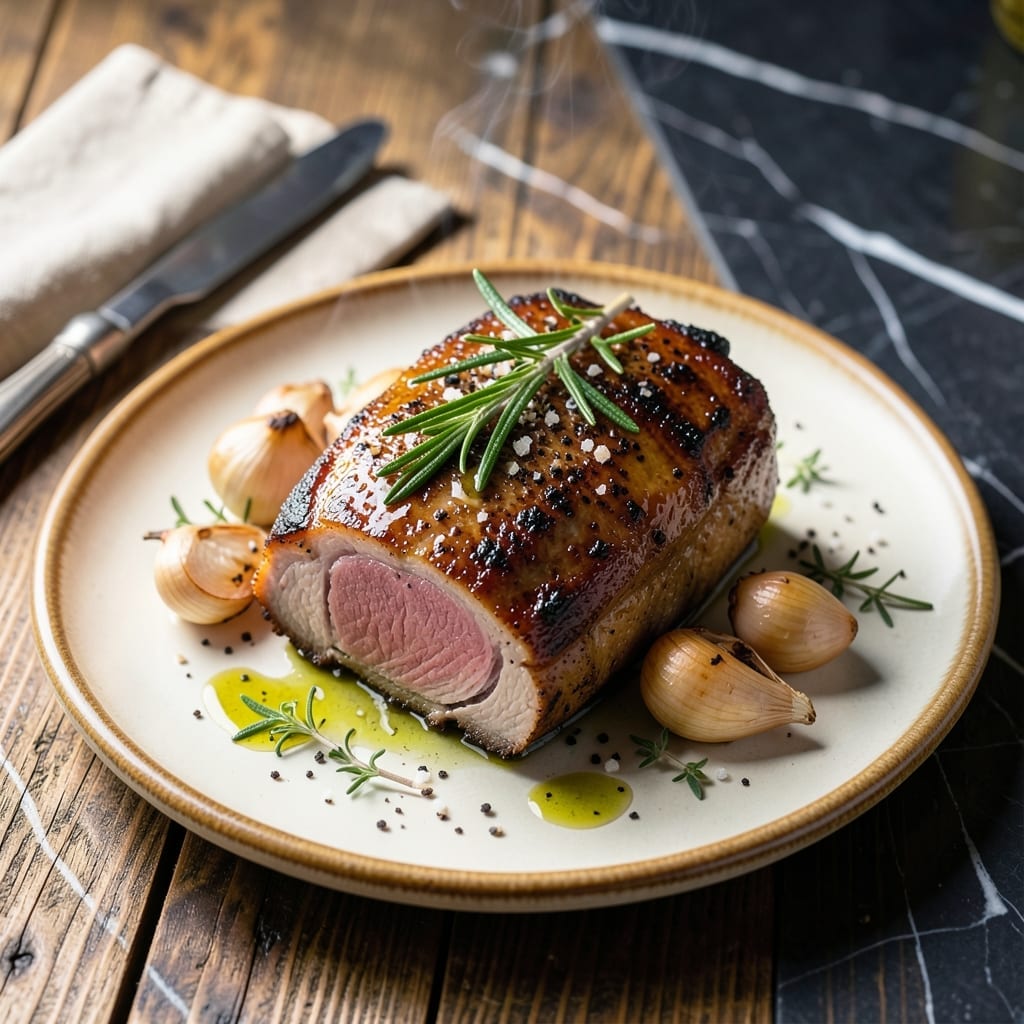
Elegant dinners start with perfectly cooked pork fillet, and this recipe delivers tender results every time. I developed this method after testing dozens of variations in my small Boston kitchen.
The secret is a combination of simple seasoning and precise cooking. A quick sear locks in juices, while a brief rest ensures the meat stays moist and flavorful.
What you get is a dish that looks and tastes restaurant-worthy but comes together with minimal effort. The herb infusion adds depth without overpowering the natural pork flavor.
Serve with roasted vegetables or mashed potatoes for a complete meal that impresses without stress.
Ingredients for Pork Fillet Recipe Ideas
Simple quality ingredients transform pork fillet into something extraordinary for dinner tonight.
| Ingredient | Amount | Notes |
|---|---|---|
| Pork Fillet 🥩 | 1 ½ lb | Center-cut, trimmed of fat |
| Kosher Salt 🧂 | 1 ½ tsp | Diamond Crystal preferred |
| Black Pepper 🌶️ | 1 tsp | Freshly ground for best flavor |
| Fresh Rosemary 🌿 | 2 tbsp | Chopped, stems removed |
| Fresh Thyme 🍃 | 2 tbsp | Leaves stripped from stems |
| Garlic Cloves 🧄 | 4 cloves | Minced for herb infusion |
| Olive Oil 🫒 | 3 tbsp | Divided for searing and herbs |
| Unsalted Butter 🧈 | 2 tbsp | For basting while cooking |
| Dijon Mustard 🟡 | 1 tbsp | Smooth variety preferred |
| Dry White Wine 🍷 | ½ cup | For deglazing the pan |
| Chicken Stock 🥣 | ½ cup | Low-sodium preferred |
| Shallot 🧅 | 1 whole | Finely minced for sauce |
The pork fillet is the star—look for center-cut pieces with even thickness so they cook uniformly. I grab mine from Whole Foods or the butcher at Market Basket (they’ll trim it for you). Fresh herbs are non-negotiable here (the dried stuff won’t give you that bright, aromatic punch). Rosemary and thyme are easy to find at any grocery store, but grab extra—you’ll use them again.
No white wine? Substitute chicken stock with a splash of lemon juice. Out of fresh herbs? Dried at one-third the amount works in a pinch, but the flavor won’t be as vibrant. If you’re avoiding dairy, swap the butter for olive oil—just don’t let it smoke. The Dijon mustard adds a subtle tang, but whole-grain mustard gives it a nice texture if you prefer.
Cook the fillet the same day you buy it for best texture, or store it in the coldest part of your fridge for up to 2 days. Leftovers keep well for 3-4 days and make killer sandwiches. Freeze cooked portions for up to 3 months (thaw overnight before reheating).
Why You’ll Love This Recipe
- One Pan Wonder: I just season, sear, and roast—no complicated steps, and the rosemary and thyme do all the heavy lifting.
- Herb-Infused Magic: That first bite with the crispy crust and fragrant herbs? Honestly, it tastes like a restaurant dish at home.
- Weeknight Hero: I throw it together after work, and it’s fancy enough for guests but simple enough for a Tuesday.
- Budget-Friendly Feast: Pork fillet stays affordable, and stretching it for leftovers means I get two meals for the price of one.
Step-by-Step Instructions for Herb-Infused Pork Fillet
Here’s how I get that restaurant-quality tenderness with minimal effort and maximum flavor.
Step 1: Season and Prep the Pork Fillet
Pat the 1.5 lb pork fillet completely dry with paper towels—this ensures a perfect sear. I always trim any remaining fat, even if it’s labeled as trimmed, because it can make the dish greasy.
Rub the fillet all over with 1.5 tsp kosher salt, 1 tsp black pepper, 2 tbsp fresh rosemary, and 2 tbsp fresh thyme. Press the herbs into the meat so they adhere well. Let it sit at room temperature for 20-30 minutes while you prep the rest.
This step is non-negotiable for flavor development. The salt penetrates the meat, and the herbs create a fragrant crust. Don’t skip the resting time—cold meat seizes up in the pan and cooks unevenly.
Step 2: Sear the Fillet to Lock in Juices
Heat 2 tbsp olive oil in a large oven-safe skillet over medium-high heat until it shimmers. Add the pork fillet and sear on all sides for 2-3 minutes per side until deep golden brown.
Add the 4 cloves garlic cloves and the remaining 1 tbsp olive oil to the pan during the last minute of searing. The garlic will infuse into the oil and add incredible aroma. Baste the fillet with the oil and garlic continuously for even flavor.
You’ll know it’s ready to flip when it releases easily from the pan. If it sticks, don’t force it—wait another 30 seconds. This builds a flavorful crust that keeps the juices locked inside.
Step 3: Finish in the Oven with Aromatics
Once seared, add 2 tbsp unsalted butter and 1 tbsp Dijon mustard to the pan. Roll the fillet in the butter and mustard to coat evenly. This adds a tangy depth that complements the herbs beautifully.
Transfer the skillet to a preheated 375°F oven and roast for 15-20 minutes until the internal temperature reaches 145°F. Use a meat thermometer for accuracy—overcooking even slightly will dry out the pork.
The butter will brown slightly in the oven, adding a nutty richness to the dish. If the pan starts smoking, reduce the oven temperature slightly and tent the fillet with foil.
Step 4: Create the Pan Sauce
Remove the fillet from the pan and let it rest on a cutting board for 10 minutes. This allows the juices to redistribute, so every slice stays moist. Tent with foil to keep it warm.
Place the skillet back on the stovetop over medium heat. Add 1 whole shallot (finely minced) and cook for 1-2 minutes until softened. Pour in 0.5 cup dry white wine and scrape up all the browned bits from the bottom of the pan.
Let the wine reduce by half, then add 0.5 cup chicken stock and simmer for 3-4 minutes until the sauce thickens slightly. Pour this over the sliced fillet just before serving.
Pro Tips For Making Pork Fillet Recipe Ideas
- Rest Before Cooking: Let the pork fillet sit at room temperature for 20-30 minutes before cooking—this guarantees even cooking and prevents a dry center.
- Season Aggressively: Use more kosher salt than you think, especially with fresh herbs like rosemary and thyme, which need bold seasoning to shine.
- Don’t Overcook: Pull the pork off the heat at 145°F (63°C) and let it rest—it’ll rise to 150°F (65°C) and stay juicy.
- Crush the Herbs: Lightly crush the fresh rosemary and thyme with your fingers before adding them to release their oils and boost flavor.
Wine and Beer Pairings for These Flavors
White Wine Pairings
A crisp Sauvignon Blanc from New Zealand cuts through the richness with its bright acidity. I love how the citrus notes complement the herb crust on this dish. Look for Oyster Bay or Kim Crawford at your local market. 🍷
Red Wine Options
For red lovers, a light Pinot Noir from Oregon works beautifully. The earthy notes pair well with the rosemary and thyme. Meiomi or Eyrie Vineyards are reliable choices I grab from Whole Foods.
Craft Beer Selections
A Belgian-style witbier like Blue Moon offers citrus and spice that echo the herbs. The wheat base provides a smooth contrast to the pork’s tenderness. I always have a few in my Boston fridge for casual dinners. 🍺
Lager Alternatives
For something lighter, a clean Pilsner such as Samuel Adams Noble Pils works well. The crisp finish cleanses your palate between bites. It’s my go-to when I want something refreshing with this meal.
Non-Alcoholic Pairings
Try a sparkling apple cider from Martinelli’s for a non-alcoholic option. The effervescence and sweetness balance the savory pork perfectly. I serve this at family gatherings when not everyone drinks.
Nutrition Facts
Frequently Asked Questions
What’s the best way to prevent dry pork?
Don’t overcook it! Use a meat thermometer and pull it from the oven at 145°F. Letting it rest for 10 minutes before slicing keeps it juicy.
Can I use dried herbs instead of fresh?
Yes, but use 1/3 the amount since dried herbs are more concentrated. Fresh herbs give the best flavor, but dried work in a pinch.
How do I know when it’s done without a thermometer?
The meat should feel firm but still slightly springy when pressed. If juices run clear, it’s ready. Avoid cutting into it to check—this lets juices escape.
What sides pair well with this dish?
Try roasted vegetables, mashed potatoes, or a fresh salad. The pan sauce is delicious drizzled over everything on the plate.

- Potato Candy Recipe 1933: Vintage Peanut Butter Roll Delight - October 30, 2026
- Potato Chip Cookie Recipe With Pecans: Buttery Crunch Meets Nutty Richness - October 30, 2026
- Potato Patty Recipe No Egg: Crispy Edges Without the Binder - October 30, 2026