
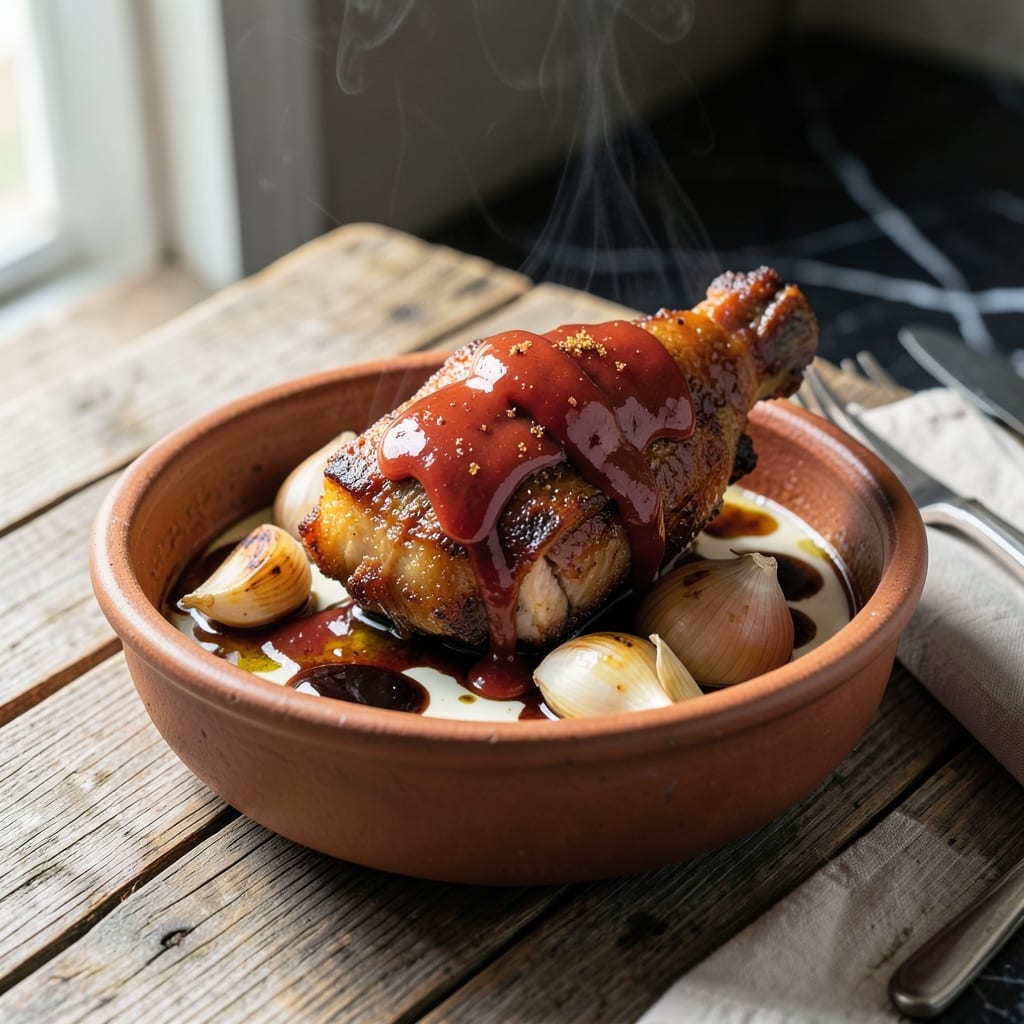
My grandmother’s handwritten cards never specified measurements, just instincts and time. This dish embodies that approach, transforming humble pork trotter into a fall-off-the-bone masterpiece through patient simmering.
Traditional Filipino balbacua relies on slow cooking to extract collagen, creating a rich, velvety sauce that coats each piece. The process requires 3-4 hours of gentle heat, allowing flavors to develop naturally without shortcuts.
What emerges is tender pork with a luxurious sauce, best served with steamed rice to soak up every drop. The collagen-rich broth becomes silky and deeply flavorful, rewarding the time investment.
This version stays true to home kitchen reality while honoring the cultural roots of the dish. The technique is simple but demands attention to detail for authentic results.
Ingredients for Pork Pata Balbacua Recipe Panlasang Pinoy
Pork hocks, aromatic spices, and a slow simmer create this collagen-rich Filipino classic.
| Ingredient | Amount | Notes |
|---|---|---|
| Pork Hocks (Pata) 🐖 | 2 ½ lb | Split for even cooking |
| Banana Ketchup 🍌 | ½ cup | Filipino brand preferred |
| Soy Sauce 🫙 | ½ cup | Use light or all-purpose |
| White Vinegar 🧪 | ¼ cup | Balances richness perfectly |
| Brown Sugar 🍚 | 2 tbsp | For caramelized depth |
| Garlic Cloves 🧄 | 8 cloves | Peeled and smashed |
| Yellow Onion 🧅 | 1 whole | Quartered with skin on |
| Bay Leaves 🍃 | 3 pieces | Dried, for aromatic base |
| Black Peppercorns 🌶️ | 1 tbsp | Whole, for infusion |
| Star Anise Pods ✨ | 2 whole | Essential for authenticity |
| Water 💧 | 8 cups | Or enough to cover |
| Green Onions 🌱 | 4 whole | For fresh garnish |
| Calamansi or Lemon 🍋 | 1 whole | Juiced for brightness |
The pork hocks are non-negotiable here. Filipino markets or Asian grocers like Seafood City often carry them pre-split, saving prep time. Look for pieces with good skin-to-meat ratio—this is where the collagen magic happens. Star anise and bay leaves should be freshly sourced from bulk bins for maximum aroma. Avoid pre-ground black pepper; whole peppercorns release flavor slowly during the long cook.
No banana ketchup? Tomato ketchup with a dash of banana extract gets close, but won’t match the authentic sweet-savory depth. Soy sauce can be tamari for gluten-free. The vinegar must be white—apple cider vinegar works in a pinch but alter the color. For extra richness, some cooks add pork belly, but the traditional version relies on hocks alone. The water amount is flexible—just cover the meat by an inch.
This tastes even better the next day as the collagen sets into a velvety gel. Store in the fridge for up to 5 days or freeze for 3 months. Reheat gently to preserve the silky texture, adding a splash of water if needed. Always serve with steamed rice to soak up that luscious sauce.
Why You’ll Love This Recipe
- Set and Forget: I just dump the pork hocks, banana ketchup, and spices in a pot and let them simmer while I do laundry.
- That Sweet-Savory Hit: The brown sugar caramelizes with the soy and vinegar, giving every bite that sticky, tangy-sweet crust.
- Feeds the Whole barkada: One big pot serves my whole family plus leftovers for lunch the next day.
- Budget Stretcher: Pork hocks are cheaper than belly, and this transforms them into something ridiculously good.
Step-by-Step Instructions for Pork Pata Balbacua
Master this traditional Filipino technique to achieve unparalleled tenderness and depth of flavor.
Step 1: Parboil the Pork Hocks
Place the 2.5 lb Pork Hocks (Pata) in a large stockpot and add the 8 cups Water. Bring to a rolling boil over high heat, then reduce to a simmer for 10 minutes to remove impurities. You’ll see foam rising to the surface—skim this off with a fine-mesh strainer.
This step ensures a clean, clear broth for the final dish. Drain the pork hocks and rinse them under cold water to remove any remaining scum. Pat them dry with paper towels before proceeding. This preparation prevents a bitter or cloudy sauce later.
Step 2: Sauté Aromatics for Depth
In the same pot, combine the 2.5 lb Pork Hocks (Pata), 8 cloves Garlic Cloves, 1 whole Yellow Onion, 3 pieces Bay Leaves, 1 tbsp Black Peppercorns, and 2 whole Star Anise Pods. Toast the spices lightly over medium heat for 2 minutes until fragrant.
Add the 8 cups Water and bring to a boil. Reduce heat to low and simmer for 2 hours until the pork is fork-tender. The meat should easily pull away from the bone, and the broth will develop a rich, aromatic base.
Step 3: Add Sauce Components and Simmer
Stir in the 0.5 cup Banana Ketchup, 0.5 cup Soy Sauce, 0.25 cup White Vinegar, and 2 tbsp Brown Sugar. Simmer uncovered for another 45-60 minutes until the sauce thickens slightly and coats the back of a spoon.
The banana ketchup lends a subtle sweetness, while the vinegar balances the richness. Taste and adjust seasoning if needed, but remember the flavors will concentrate as the sauce reduces. The pork should be falling off the bone by this point.
Step 4: Finish and Serve
Once the pork is ultra-tender and the sauce has thickened, remove the pot from heat. Discard the 3 pieces Bay Leaves and 2 whole Star Anise Pods. Stir in the juice of the 1 whole Calamansi or Lemon for a bright, citrusy finish.
Ladle the balbacua into bowls, ensuring each serving has plenty of the collagen-rich sauce. Garnish with the 4 whole Green Onions, thinly sliced. Serve immediately with steamed rice to soak up every last bit of the flavorful broth.
Pro Tips For Making Pork Pata Balbacua Recipe Panlasang Pinoy
- Parboil First: I learned this the hard way—boiling the pork hocks for 10-15 minutes before braising removes impurities and keeps the sauce clean. Skipping this step gives the dish a murky look and off-putting foam.
- Balance the Vinegar: Sounds weird, but it works: add the white vinegar after the pork has browned, not before. This prevents the meat from toughening up and lets the tang mingle properly with the banana ketchup and soy sauce.
- Watch the Sugar: Brown sugar burns fast, so dissolve it in a splash of the braising liquid before adding it to the pot. After ruining a batch with bitter caramel, I now stir it in off the heat first.
- Use Pressure Cooker: My grandmother swore by this, and she was right: a pressure cooker cuts the cooking time for pork pata from hours to about 45 minutes—just make sure the liquid covers at least half the hocks.
Common Mistakes When Making This Dish
Skipping the Parboil
I learned this the hard way—skipping the initial 10-minute parboil results in a cloudy, bitter broth. The foam that rises during parboiling contains impurities that can ruin your sauce. Always skim and rinse the pork hocks thoroughly before proceeding.
Overcrowding the Pot
Using a pot that’s too small forces the pork hocks to stack, leading to uneven cooking. I recommend a 7-8 quart stockpot for 2.5 lb of pork to ensure everything is fully submerged with room to simmer gently.
Rushing the Simmer
This dish demands patience. Boiling too vigorously or cutting the 2-hour simmer short yields tough meat and weak broth. Keep the heat low and steady—you’ll know it’s ready when the meat falls off the bone with a gentle nudge. 💪
Neglecting Flavor Balance
Balbacua relies on the harmony of sweet, sour, and savory. I once forgot the ¼ cup white vinegar and the dish tasted flat. Taste as you go and adjust—the vinegar cuts through the richness beautifully.
Discarding the Skin
The pork skin holds much of the collagen that makes this dish special. Leaving it on during cooking transforms it into tender, flavorful gel. Only remove it after cooking if you prefer a different texture.
Ignoring the Rest
Like most stews, this tastes better after resting. I let it sit for 30 minutes off the heat before serving. This allows the flavors to meld and the collagen to set slightly, creating that signature silky texture. 🔥
Nutrition Facts
Frequently Asked Questions
What if I can’t find banana ketchup?
Use regular ketchup with 1/2 teaspoon banana extract per 1/2 cup. It won’t be identical but adds the signature sweetness.
How do I know when it’s done?
The meat should fall off the bone with a gentle touch. The sauce will coat a spoon and have a glossy, collagen-rich texture after 3-4 hours.
Can I make this in a slow cooker?
Yes! Follow the same steps but cook on low for 6-8 hours or high for 4-5 hours. Skim foam during the first hour.
Why is my broth cloudy?
You likely skipped the 10-minute parboil or didn’t skim impurities. Always rinse pork hocks after parboiling for clear, clean broth.

- Potato Chip Cookie Recipe With Pecans: Buttery Crunch Meets Nutty Richness - October 30, 2026
- Potato Patty Recipe No Egg: Crispy Edges Without the Binder - October 30, 2026
- Paula Deen’s Potato Chip Cookies Recipe: Salty-Sweet Crunch in Every Bite - October 30, 2026