
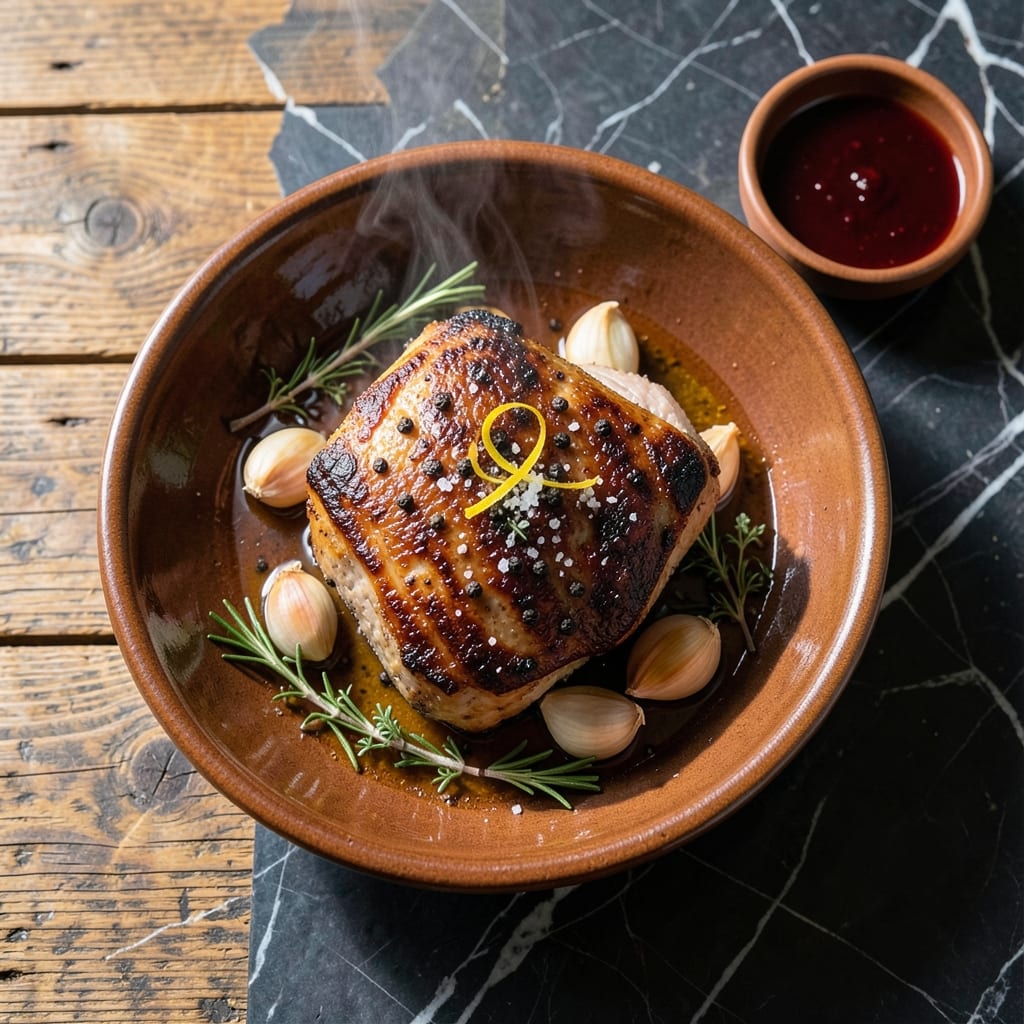
Achieving a juicy roast every time comes down to technique, not luck. I developed this method after years of testing different cuts and temperatures to perfect the ideal balance of tenderness and flavor.
The key is slow roasting at a consistent temperature, which allows the pork to cook evenly without drying out. A simple brine or dry rub enhances the natural flavors and ensures the meat stays moist throughout the process.
What results is a centerpiece-worthy dish with a golden crust and fork-tender meat that’s sure to impress. The process is straightforward but requires attention to detail for the best outcome.
This recipe works for any occasion, from weekend family dinners to holiday gatherings. The steps are clear, and the results are always reliable.
Ingredients for Pork Recipe and Procedure
A handful of quality ingredients transforms pork into a juicy, flavorful centerpiece.
| Ingredient | Amount | Notes |
|---|---|---|
| Pork Shoulder Roast 🥩 | 3 lb | Bone-in, skin-on preferred |
| Kosher Salt 🧂 | 2 tbsp | Diamond Crystal brand preferred |
| Black Peppercorns 🌶️ | 1 tbsp | Freshly cracked for maximum flavor |
| Garlic Cloves 🧄 | 6 cloves | Peeled and smashed |
| Fresh Rosemary 🌿 | 3 sprigs | Woodsy stems, finely chopped |
| Fresh Thyme 🍃 | 3 sprigs | Leaves stripped from stems |
| Dijon Mustard 🟡 | 2 tbsp | Whole grain variety preferred |
| Olive Oil 🫒 | 2 tbsp | Extra-virgin for depth |
| Apple Cider Vinegar 🍏 | 1 tbsp | For acidity balance |
| Brown Sugar 🍚 | 2 tbsp | Light or dark variety |
| Onion Powder 🧅 | 1 tsp | Fine grind for even distribution |
| Smoked Paprika 🌶️ | 1 tsp | Adds subtle smokiness |
The pork shoulder is non-negotiable here. Bone-in, skin-on cuts from Whole Foods or a trusted butcher ensure maximum moisture retention. Look for vibrant pink color and good marbling—avoid anything with a grayish tint. I always buy a few pounds extra and freeze portions for later use. The fresh herbs should be organic if possible—their oils are more potent.
No fresh rosemary or thyme? Dried herbs at half the quantity work in a pinch, though the flavor profile will be slightly muted. Honey or maple syrup can substitute for brown sugar if you prefer a different sweetness. For the vinegar, white wine vinegar is an acceptable alternative. Mustard-wise, standard yellow mustard lacks complexity but will do.
The pork can rest in the fridge, uncovered, for up to 24 hours before cooking to dry the skin for better crispness. Leftovers keep for 4-5 days refrigerated or freeze for 3 months. Always slice against the grain when serving for optimal tenderness (worth the extra minute).
Why You’ll Love This Recipe
- Hands-Off Cooking: I just rub the pork shoulder with salt, pepper, garlic, and rosemary, then let the oven do the rest.
- Rich Herb Crust: The rosemary and garlic form this crazy aromatic crust that makes every bite irresistible.
- Feeds a Crowd: Between us, this pork roast is my secret for holidays, Sunday dinners, or even meal prepping for the week.
- Leftovers for Days: Honestly, the pulled pork leftovers make the best tacos, sandwiches, or fried rice the next day.
Step-by-Step Instructions for Juicy Roast
Master the technique. Perfect texture, maximum flavor, guaranteed every time.
Step 1: Prepare the Pork Shoulder
Pat the 3 lb Pork Shoulder Roast completely dry with paper towels. This step is crucial for achieving a good sear and allowing the rub to adhere properly to the surface.
Score the skin in a crosshatch pattern using a sharp knife, cutting through the fat but not into the meat. This helps render the fat and allows the seasoning to penetrate deeper for more flavor in every bite.
Step 2: Create the Aromatic Rub
In a small bowl, combine the 2 tbsp Kosher Salt, freshly cracked 1 tbsp Black Peppercorns, 1 tsp Onion Powder, and 1 tsp Smoked Paprika. This blend provides a balanced foundation of savory, spicy, and smoky notes.
Add the 2 tbsp Brown Sugar, 2 tbsp Dijon Mustard, 2 tbsp Olive Oil, and 1 tbsp Apple Cider Vinegar. Mix thoroughly to form a thick paste. The mustard and vinegar create a tangy base that cuts through the richness of the pork.
Step 3: Apply the Rub and Add Aromatics
Rub the paste mixture all over the pork shoulder, making sure to get it into every crevice and under the scored skin. The 2 tbsp Olive Oil in the rub helps it adhere and promotes even browning during roasting.
Create small slits in the meat and insert the 6 cloves Garlic Cloves (peeled and smashed). Sprinkle the finely chopped 3 sprigs Fresh Rosemary and stripped leaves from the 3 sprigs Fresh Thyme over the surface, pressing gently to ensure they stick. These herbs will infuse the meat with their aromatic qualities as it cooks.
Step 4: Roast to Juicy Perfection
Preheat your oven to 325°F. Place the pork shoulder on a rack in a roasting pan, skin-side up. This elevation allows heat to circulate evenly around the meat, ensuring consistent cooking and crispy skin.
Roast for 3 to 3½ hours, or until the internal temperature reaches 195°F. At this temperature, the connective tissues break down completely, resulting in fall-apart tender meat. Baste the pork with its juices every 45 minutes to keep the surface moist and enhance flavor development.
Step 5: Rest and Serve
Remove the pork from the oven and transfer it to a cutting board. Tent loosely with foil and let it rest for 30 minutes. This resting period allows the juices to redistribute throughout the meat, ensuring each serving is moist and flavorful.
The final result should be a roast with crispy, caramelized skin and meat that pulls apart effortlessly with a fork. The internal moisture and rich, complex flavors will be evident in every bite, delivering on the promise of a perfectly juicy roast.
Pro Tips For Making Pork Recipe And Procedure
- Sear First: I learned this the hard way—browning the pork shoulder in a hot pan before roasting adds depth you can’t get otherwise. About 3-4 minutes per side until it’s deep golden.
- Crush the Garlic: Sounds weird, but it works: lightly crushing the garlic cloves (peeled) before stuffing them into slits in the pork releases way more flavor than whole cloves.
- Skip the Cold Roast: Resist the urge to roast straight from the fridge. Letting the pork shoulder sit out for 30-45 minutes guarantees even cooking and a better crust.
- Rest Under Foil: After pulling it from the oven, tent the pork with foil and give it a solid 15-20 minutes to rest—this keeps the juices inside where they belong.
Common Mistakes When Making This Dish
Overcooking the Meat
One of the biggest mistakes I see is pulling pork from the oven too early. The internal temperature needs to reach 195°F for perfect tenderness. Below 185°F, the connective tissue won’t break down properly, leaving you with tough meat. Use a reliable meat thermometer—I trust my ThermoWorks model. 🌡️
Skipping the Rest
Resist the urge to slice immediately after removing from the oven. Resting for at least 30 minutes allows juices to redistribute. I learned this the hard way when I served dry pork at a dinner party. Tent with foil to keep it warm during this crucial period.
Neglecting to Score
Forgetting to score the skin means missed crispiness opportunities. Use a sharp knife to create a crosshatch pattern, cutting through the fat but not the meat. This helps render the fat and allows seasonings to penetrate deeper. I do this right before applying the rub.
Uneven Seasoning
Simply sprinkling the rub on top won’t cut it. Work it into every crevice and under the scored skin. I use my hands to ensure complete coverage. The 2 tbsp Olive Oil in the rub helps it adhere better to the meat’s surface.
Wrong Oven Temperature
High heat might seem faster, but 325°F is the sweet spot. Higher temps can dry out the exterior before the interior cooks. Lower temps won’t properly render the fat or develop that beautiful crust. Consistency is key throughout the entire cook.
Forgetting to Baste
Basting every 45 minutes keeps the surface moist and builds layers of flavor. Use the pan juices for maximum impact. I set a timer to remind myself—it’s easy to forget when the aroma fills your kitchen. 💡
Nutrition Facts
Frequently Asked Questions
What’s the ideal internal temperature for tender pork?
For fall-apart tenderness, cook to 195°F internally. Below 185°F, connective tissue stays tough. Always use a meat thermometer for accuracy.
Can I use a different cut of pork?
Pork shoulder is best for this method, but pork butt works well too. Avoid lean cuts like tenderloin—they dry out with long cooking. The fat and connective tissue in shoulder make it perfect for slow roasting.
Why is resting so important?
Resting for 30 minutes lets juices redistribute. Slicing too soon causes moisture loss, leaving the meat dry. Tent with foil to keep it warm during this crucial time.
How do I get crispy skin every time?
Score the skin in a crosshatch pattern before seasoning. Roast skin-side up at 325°F and baste regularly. The scoring helps render fat and allows the rub to penetrate deeply.

- Potato Patty Recipe No Egg: Crispy Edges Without the Binder - October 30, 2026
- Paula Deen’s Potato Chip Cookies Recipe: Salty-Sweet Crunch in Every Bite - October 30, 2026
- Potato Gnocchi Recipe Ideas: Pillowy Soft Dumplings With Rustic Charm - October 30, 2026