
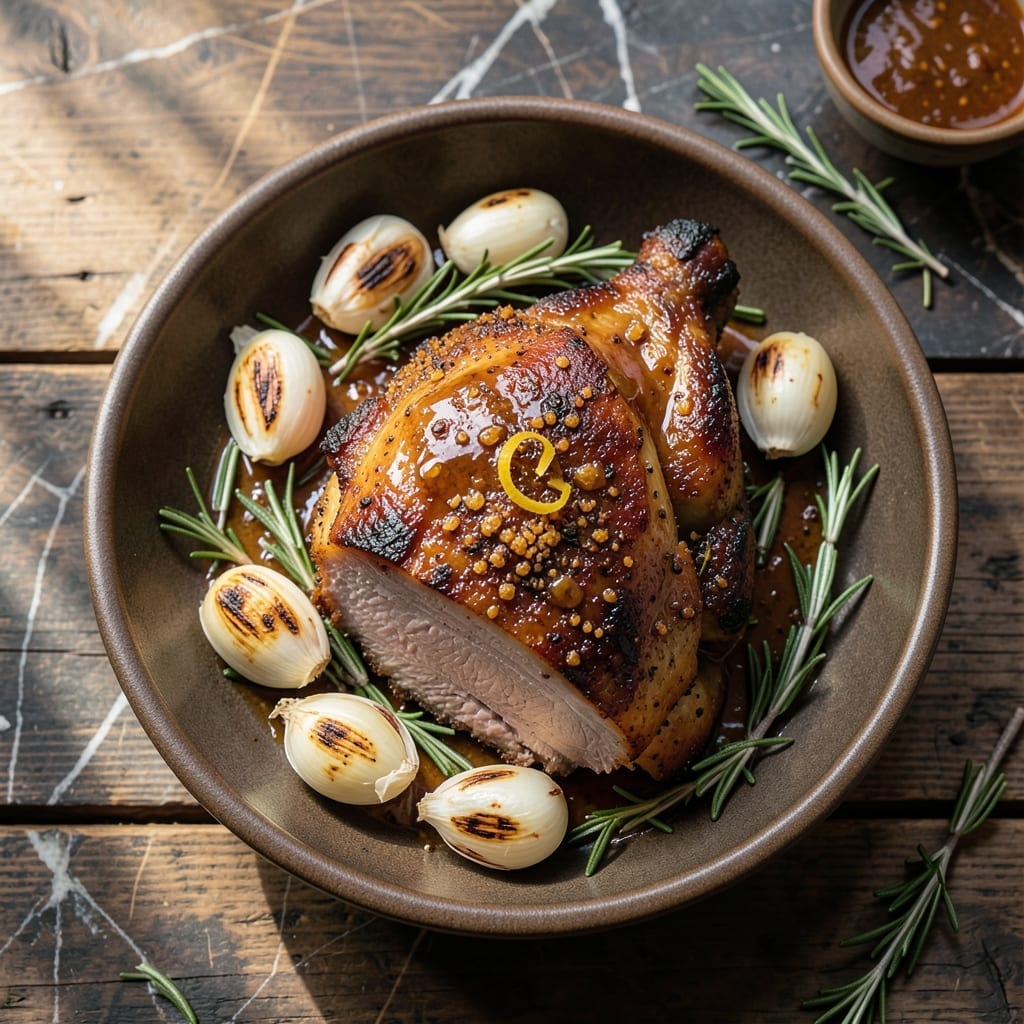
Slow-roasting transforms pork shoulder into a dish so tender it falls apart with the touch of a fork. This method delivers restaurant-quality results with minimal effort, letting the oven do most of the work while you focus on the details.
The key lies in patience and low heat, allowing the connective tissue to break down gradually. A simple dry rub enhances the natural flavors without overpowering the meat. The result is juicy, flavorful pork with a caramelized crust.
Perfect for feeding a crowd or meal prepping for the week, this dish proves that the best meals often require the least interference. The slow cooking process ensures every bite is infused with rich, savory depth.
Serve with your favorite sides for a complete meal that impresses without the fuss. Here’s how to achieve that ideal pull-apart texture every time.
Ingredients for Pork Shoulder Recipe Oven
Pantry spices and a big piece of pork shoulder. That’s all you need for this.
| Ingredient | Amount | Notes |
|---|---|---|
| Pork Shoulder 🐖 | 4 lb | Bone-in, skin-on preferred |
| Kosher Salt 🧂 | 1 tbsp | Diamond Crystal preferred |
| Black Pepper 🌶️ | 1 tbsp | Freshly ground |
| Garlic Powder 🧄 | 1 tbsp | Not garlic salt |
| Onion Powder 🧅 | 1 tbsp | Fine grind preferred |
| Smoked Paprika 🌶️ | 1 tbsp | Sweet or hot variety |
| Dried Oregano 🍃 | 1 tsp | Mediterranean variety |
| Brown Sugar 🧈 | ¼ cup | Light or dark works |
| Olive Oil 🫒 | 2 tbsp | Extra-virgin for searing |
| Chicken Broth 🥘 | 1 cup | Low-sodium preferred |
| Apple Cider Vinegar 🍏 | 2 tbsp | Balances richness |
| Fresh Garlic 🧄 | 4 cloves | Minced for rub |
| Yellow Onion 🧅 | 1 whole | Roughly chopped |
The pork shoulder is the star here. Bone-in, skin-on gives the best texture—look for good marbling at the store. I grab mine from Costco for big batches or Whole Foods when I want organic. The rub ingredients are all shelf-stable, so check your spice rack first (they lose potency after 6 months). Don’t skip the brown sugar—it caramelizes into that sticky crust everyone loves.
No smoked paprika? Regular paprika plus a pinch of cayenne gets you close. Swap apple cider vinegar for white vinegar or lemon juice in a pinch. The chicken broth can be vegetable broth if that’s what you’ve got. Fresh garlic is ideal, but jarred minced garlic works too (just use half the amount). The onion? Skip it if you must, but it adds depth.
Store the raw pork in the fridge for up to 3 days before cooking, or freeze for 6 months. Leftovers keep 5 days in the fridge or freeze for 3 months (perfect for sandwiches later).
Why You’ll Love This Recipe
- Set It and Forget It: I rub the pork with salt, pepper, garlic and onion powder, pop it in the oven, and let the heat do all the work.
- Fallback Flavor: The dry rub forms a crust so good I catch myself sneaking bites straight from the pan.
- Feeds the Week: One shoulder roasts up enough for tacos, sandwiches, and a second dinner with zero extra effort.
- Budget Hero: Pork shoulder stays cheap, and a single piece stretches across multiple meals without skimp on taste.
Step-by-Step Instructions for Pork Shoulder Oven
Here’s the method I use for fall-apart tender pork every single time.
Step 1: Create the Flavor-Packed Rub
In a small bowl, combine the 1 tbsp Kosher Salt, 1 tbsp Black Pepper, 1 tbsp Garlic Powder, 1 tbsp Onion Powder, 1 tbsp Smoked Paprika, 1 tsp Dried Oregano, and 0.25 cup Brown Sugar. Mix thoroughly until all the spices are evenly distributed and the brown sugar breaks up any clumps.
This dry rub creates a beautiful crust while deeply seasoning the meat. I like to make it first so the flavors can meld slightly while I prep the pork shoulder. The brown sugar will caramelize during cooking, adding a subtle sweetness that balances the smoky paprika.
Step 2: Prep and Season the Pork Shoulder
Pat the 4 lb Pork Shoulder dry with paper towels—this ensures the rub adheres properly. Place it in a roasting pan or baking dish with high sides. Drizzle the 2 tbsp Olive Oil over the pork and rub it all over the surface, including the sides.
Now generously apply the spice rub to all sides of the pork shoulder, pressing it in firmly so it sticks. I use my hands for this—it’s the best way to ensure even coverage. Let the seasoned pork sit at room temperature for 30 minutes while your oven preheats.
Step 3: Sear and Start the Slow Roast
Preheat your oven to 325°F. While it heats, scatter the roughly chopped 1 whole Yellow Onion and 4 cloves Fresh Garlic (peeled and smashed) around the pork in the pan. These will roast alongside the meat, infusing the pan juices with extra flavor.
Pour the 1 cup Chicken Broth and 2 tbsp Apple Cider Vinegar into the bottom of the pan, being careful not to wash off the rub. The liquid creates steam, keeping the pork moist, while the vinegar adds a subtle tang that cuts through the richness.
Step 4: Slow-Roast to Perfection
Cover the pan tightly with foil or a lid and place it in the preheated oven. Roast for 3 hours, then carefully remove the foil and increase the oven temperature to 400°F. Roast uncovered for another 30-45 minutes until the pork develops a deep, golden-brown crust.
You’ll know it’s done when the internal temperature reaches 195-200°F and a fork slides in and twists effortlessly. The meat should pull apart with almost no resistance. If it’s not quite there, give it more time—this cut is forgiving and benefits from the extra cooking.
Step 5: Rest and Shred for Serving
Transfer the pork shoulder to a cutting board or large serving platter and tent loosely with foil. Let it rest for 15-20 minutes—this allows the juices to redistribute so every bite stays moist. Skim any excess fat from the pan juices if desired, then pour the remaining liquid over the pork to serve.
Use two forks to shred the meat directly on the platter. It should come apart with minimal effort, revealing tender, juicy strands. Serve immediately with the pan juices spooned over the top, and enjoy the rich, smoky-sweet flavor in every bite.
Pro Tips For Making Pork Shoulder Recipe Oven
- Start Low and Slow: Set your oven to 275°F—any higher and the fat won’t render properly, leaving your pork tough instead of fall-apart tender. I learned this the hard way after pulling a dry shoulder out at 325°F.
- Dry the Surface: Pat the pork shoulder completely dry with paper towels before seasoning. Sounds tedious, but it guarantees a better crust and lets the salt actually stick where it matters.
- Don’t Skip the Rest: Let the pork rest under foil for at least 15-20 minutes after cooking—it redistributes the juices so they don’t all spill out when you slice. My first few attempts were dry because I rushed this.
- Double the Rub: Use twice the amount of garlic and onion powder you think you need. Pork shoulder can handle bold seasoning, and I was skeptical until I tried it—now it’s non-negotiable.
Flavor Customization for This pork shoulder recipe oven
Spicy Kick
Add 1-2 tsp cayenne pepper or ½ tsp chipotle powder to your rub for heat. I love the smoky depth chipotle adds—it reminds me of summer BBQs in Cincinnati. For fresh heat, mix in 1 tbsp minced jalapeño with the onions. 🌶️
Sweet Glaze
In the last 30 minutes of cooking, brush the pork with a glaze of ½ cup apple jelly and 1 tbsp Dijon mustard melted together. The jelly caramelizes beautifully, and I always use local Portland honey as a base when I can.
Herb Infusion
Swap dried oregano for 2 tbsp fresh rosemary or thyme leaves. Fresh herbs brighten the dish. I grow rosemary in my garden—Pickles the cat loves to sniff it. Add them to the pan with the onions for maximum flavor.
Asian Twist
Replace the rub with 2 tbsp soy sauce, 1 tbsp grated ginger, and 1 tbsp five-spice powder. Add ½ cup orange juice to the pan liquid. This version pairs wonderfully with steamed rice—I sing the alphabet song while cooking it, just like Grandma taught me. 💛
Citrus Brightness
Zest 1 orange or 1 lime into your rub for a fresh, citrusy note. The acid cuts through the richness beautifully. I love using Meyer lemons from my tree in the backyard when they’re in season.
Smoky Depth
Add 1 tsp liquid smoke to the pan liquid for a deeper smoky flavor without a smoker. Or use 1 tbsp smoked salt in your rub. I find liquid smoke works best with a light hand—too much can overpower the dish.
Nutrition Facts
Frequently Asked Questions
What oven temperature works best for fall-apart tenderness?
Start at 325°F for the first 3 hours, then increase to 400°F for the final 30-45 minutes. The low heat breaks down connective tissue, while the higher finish creates a crispy crust.
Can I use a bone-in or boneless cut?
Bone-in is ideal for extra flavor and moisture, but boneless works too. Just reduce cooking time by 20-30 minutes since it cooks faster. Always aim for 195-200°F internally.
How do I know when it’s done?
The meat should reach 195-200°F internally and pull apart easily with a fork. If it resists, give it more time—this cut thrives on patience.
Do I need to cover the pan the whole time?
Cover tightly for the first 3 hours, then uncover to let the crust develop. This two-step method keeps it juicy while achieving that perfect caramelized exterior.

- Potato Patty Recipe No Egg: Crispy Edges Without the Binder - October 30, 2026
- Paula Deen’s Potato Chip Cookies Recipe: Salty-Sweet Crunch in Every Bite - October 30, 2026
- Potato Gnocchi Recipe Ideas: Pillowy Soft Dumplings With Rustic Charm - October 30, 2026