
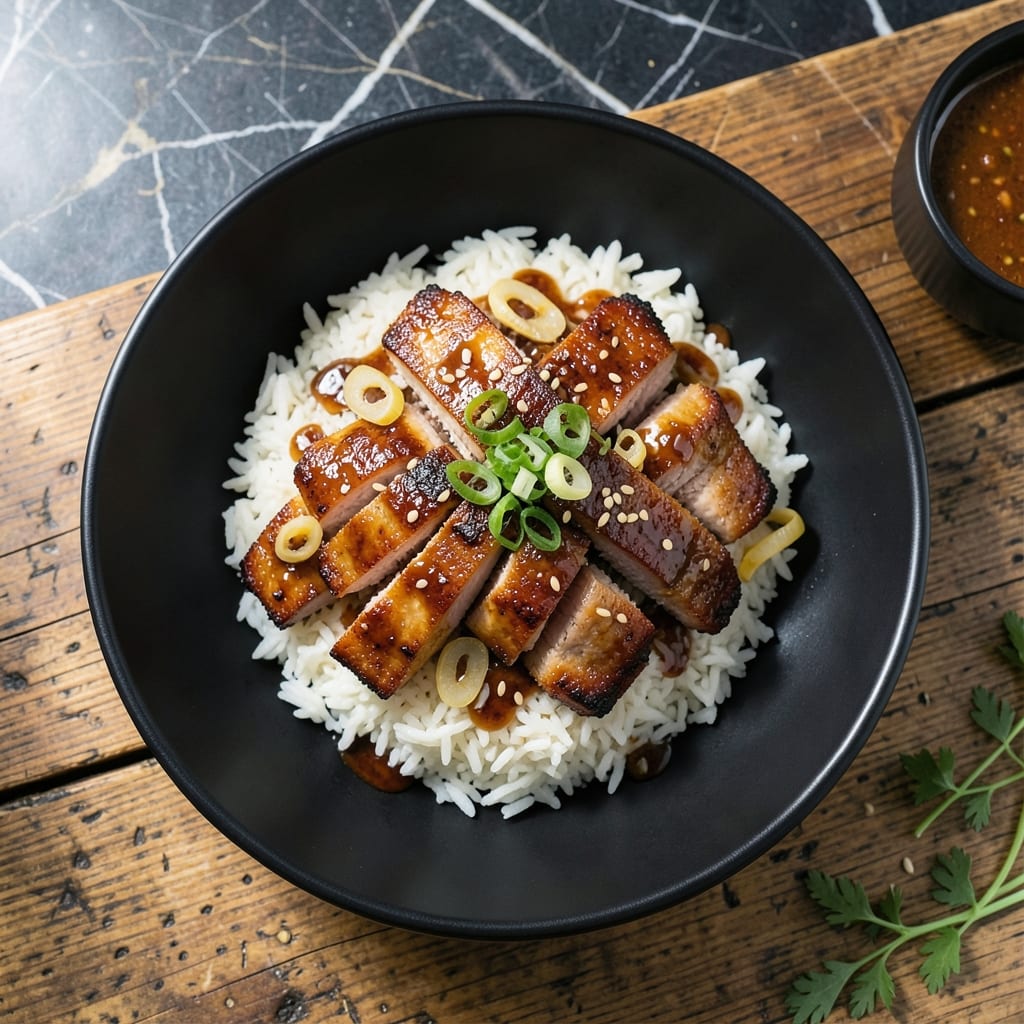
This stir-fry delivers restaurant-quality results in under 30 minutes, perfect for busy weeknights. The sweet soy glaze creates a shiny, sticky coating that clings to every pork strip.
I’ve streamlined the process to focus on speed without sacrificing flavor. Thinly sliced pork cooks quickly, while garlic and ginger add aromatic depth to the dish.
You’ll end up with tender pork strips glazed in a savory-sweet sauce, ready to serve over steamed rice or noodles. The balance of flavors is spot-on for a satisfying meal.
Minimal prep and fast cooking make this a go-to for when time is tight. The result is consistently delicious with little effort.
Ingredients for Pork Strips Recipe Nz
Pantry staples meet fresh aromatics for a quick, flavor-packed stir-fry.
| Ingredient | Amount | Notes |
|---|---|---|
| Pork Shoulder 🥩 | 1 ½ lb | Thinly sliced into strips |
| Soy Sauce 💧 | ½ cup | Low-sodium preferred for balance |
| Dark Brown Sugar 🧈 | 3 tbsp | Packed for sweetness depth |
| Garlic Cloves 🧄 | 4 cloves | Minced for aromatic base |
| Fresh Ginger 🌿 | 1 tbsp | Grated for zesty kick |
| Cornstarch 🌾 | 1 tbsp | For velvety sauce thickness |
| Vegetable Oil 🫒 | 2 tbsp | High smoke point for stir-fry |
| Rice Vinegar 💧 | 2 tbsp | Balances sweetness with tang |
| Red Bell Pepper 🌶️ | 1 whole | Thinly sliced for crunch |
| Green Onions 🧅 | 3 whole | Sliced for fresh garnish |
| Sesame Oil 🫒 | 1 tsp | Toasted for finishing aroma |
| Red Pepper Flakes 🔥 | ½ tsp | Adjust for heat preference |
| Steamed Rice 🍚 | 2 cups | Cooked, for serving |
The pork is the star here. Pork shoulder (also called pork butt) gives you the best texture—tender but with enough fat to stay juicy. Most supermarkets sell it pre-cut, but ask the butcher to slice it thin for stir-fry if you’re not confident with a knife. New Zealand butchers often have great quality shoulder at a reasonable price. Look for good marbling—that’s what keeps it moist during quick cooking.
No pork shoulder? Pork loin works but can dry out faster, so slice it extra thin and don’t overcook. Swap soy sauce for tamari for gluten-free. Brown sugar can be light brown in a pinch (darker has more molasses depth). Fresh ginger is ideal, but ground ginger at half the amount works if that’s all you’ve got. For extra veg, toss in snap peas or broccoli florets.
This dish is best served fresh, but leftovers keep 3-4 days in the fridge. Reheat gently in a pan with a splash of water to prevent drying. The sauce thickens as it cools—if it’s too gloppy, thin with a little water when reheating. Freezing isn’t ideal (pork texture changes), but you can freeze the sauce separately for up to 1 month.
Why You’ll Love This Recipe
- One Pan Easy: I just toss the pork strips with soy sauce, brown sugar, and minced garlic—no fancy prep, no mess.
- Sweet-Savory Magic: The dark brown sugar caramelizes with the soy sauce, and the ginger-garlic kick? Ridiculously good.
- Fridge to Table Fast: Honestly, I’ve served this to last-minute guests and weeknight family dinners with equal success.
- Budget Feeds Four: Pork shoulder is cheap, and this recipe stretches it into a filling meal with leftovers for lunch.
Step-by-Step Instructions for Pork Strips Stir-Fry With Sweet Soy Glaze
Here’s the method I rely on for perfectly tender strips with a glossy, flavor-packed sauce.
Step 1: Velouté the Pork with Cornstarch
Pat the 1.5 lb Pork Shoulder strips completely dry with paper towels. This removes excess moisture that would otherwise prevent proper browning. Place the strips in a bowl and sprinkle with the 1 tbsp Cornstarch, then toss until each piece is evenly coated.
The cornstarch creates a thin barrier that locks in juices and helps the pork develop a light crust. I’ve found this simple step transforms the texture from chewy to melt-in-your-mouth tender. Let the coated pork rest for 5 minutes while you prepare the remaining ingredients.
Step 2: Craft the Aromatic Sauce Base
In a small bowl, whisk together the 0.5 cup Soy Sauce, 3 tbsp Dark Brown Sugar, minced 4 cloves Garlic Cloves, grated 1 tbsp Fresh Ginger, 2 tbsp Rice Vinegar, and 0.5 tsp Red Pepper Flakes. The sugar might clump initially, but keep whisking until it dissolves completely into a smooth, glossy liquid.
This sauce develops deep umami from the soy, balanced by the vinegar’s brightness and the sugar’s caramel notes. The garlic and ginger infuse it with aromatic complexity, while the red pepper flakes add a gentle heat that builds as the sauce reduces. Set this aside—you’ll add it to the wok at just the right moment.
Step 3: Stir-Fry the Pork and Vegetables
Heat the 2 tbsp Vegetable Oil in a wok or large skillet over high heat until it shimmers and a drop of water sizzles aggressively. Add the cornstarch-coated pork strips in a single layer, working in batches if needed to avoid overcrowding. Cook undisturbed for 2-3 minutes until the edges turn golden brown.
Flip and cook for another 1-2 minutes until the pork is nearly cooked through. Remove the pork to a plate, then add the thinly sliced 1 whole Red Bell Pepper to the same pan. Stir-fry for 2-3 minutes until the peppers soften slightly but retain their vibrant color and a bit of crunch.
Step 4: Unify with Sauce and Finish
Return all the pork to the wok along with any accumulated juices. Pour the prepared sauce over everything and stir vigorously. The sauce will bubble and thicken as it coats the pork and peppers, transforming from a thin liquid to a glossy glaze that clings to each piece. Cook for 1-2 minutes until the pork is fully cooked and the sauce has reduced to a syrupy consistency.
Remove from heat and stir in the 1 tsp Sesame Oil—this adds a final layer of nutty aroma. The sesame oil’s fragrance will bloom immediately in the hot pan, signaling that it’s ready. Taste and adjust seasoning if needed, though I rarely find it necessary with the balanced flavors in this sauce.
Step 5: Serve Over Steamed Rice
Divide the 2 cups Steamed Rice among four plates. Spoon the glazed pork and peppers over the rice, ensuring each serving gets plenty of the rich sauce. Garnish with the sliced 3 whole Green Onions scattered across the top for a fresh, crisp contrast to the tender pork.
Serve immediately while the sauce is still glossy and the pork is at its peak tenderness. The rice soaks up any extra sauce beautifully, making every bite flavorful. This dish comes together quickly, but the layers of flavor make it taste like you spent hours in the kitchen.
Pro Tips For Making Pork Strips Recipe Nz
- Slice Against Grain: Cut the pork shoulder into strips against the grain after partially freezing for 20 minutes—makes slicing thinner, more tender strips way easier, and they’ll absorb the soy sauce marinade better.
- Bloom the Aromatics: Cook the minced garlic and grated ginger in a little oil for just 30 seconds before adding the pork; any longer and they’ll turn bitter, ruining that sweet-savory balance with the brown sugar.
- Don’t Overcrowd the Pan: I learned this the hard way—fry the pork strips in batches so they sear properly instead of steaming in their own juices, which gives you that sticky, caramelized crust from the sugar.
- Rest Before Serving: Let the cooked pork strips sit for 5 minutes off the heat before serving; it lets the juices redistribute so every bite stays moist, especially with leaner cuts of shoulder.
Pro Cooking Tips for This Recipe
High Heat Control
Your wok or skillet must be screaming hot before adding the pork. I test with a drop of water—it should sizzle and evaporate instantly at 400°F+. This prevents steaming and ensures proper searing for that restaurant-quality texture.
Cornstarch Secret
Don’t skip the cornstarch coating—it’s the difference between chewy and tender. Use 1 tbsp for 1.5 lb pork. Toss the strips until they look lightly dusted, then let them rest for 5 minutes to adhere properly. 💡
Sauce Timing
Add the sauce only after the pork is nearly cooked through. If you add it too early, the pork will steam instead of sear. The sauce should bubble and reduce to a glossy coat in just 1-2 minutes.
Batch Cooking
Overcrowding the pan drops the temperature and leads to soggy pork. Cook in batches if needed, transferring finished pork to a plate. I use a 14-inch wok for even heat distribution.
Rest Before Serving
Let the pork rest for 2 minutes after saucing to allow the flavors to meld. This step ensures the glaze clings perfectly to each strip. The peppers will soften just enough during this time. 🔥
Sesame Oil Finish
Always add the 1 tsp sesame oil off heat—its delicate aroma burns easily. Stir it in last for that authentic nutty fragrance that elevates the entire dish.
Nutrition Facts
Frequently Asked Questions
What cut of pork works best for strips?
Pork shoulder is ideal for its fat marbling and tenderness. Pork loin can work but slice it thin and cook quickly to prevent drying.
How do I prevent the sauce from being too thin?
Ensure the sauce bubbles for 1-2 minutes after adding. If still thin, mix 1 tsp cornstarch with 1 tbsp water and stir in.
Can I make this ahead of time?
Best served fresh, but leftovers keep 3-4 days in the fridge. Reheat gently with a splash of water.
What vegetables pair well with the pork?
Bell peppers, snap peas, or broccoli work great. Add them after cooking the pork to maintain crispness.

- Potato Patty Recipe No Egg: Crispy Edges Without the Binder - October 30, 2026
- Paula Deen’s Potato Chip Cookies Recipe: Salty-Sweet Crunch in Every Bite - October 30, 2026
- Potato Gnocchi Recipe Ideas: Pillowy Soft Dumplings With Rustic Charm - October 30, 2026