
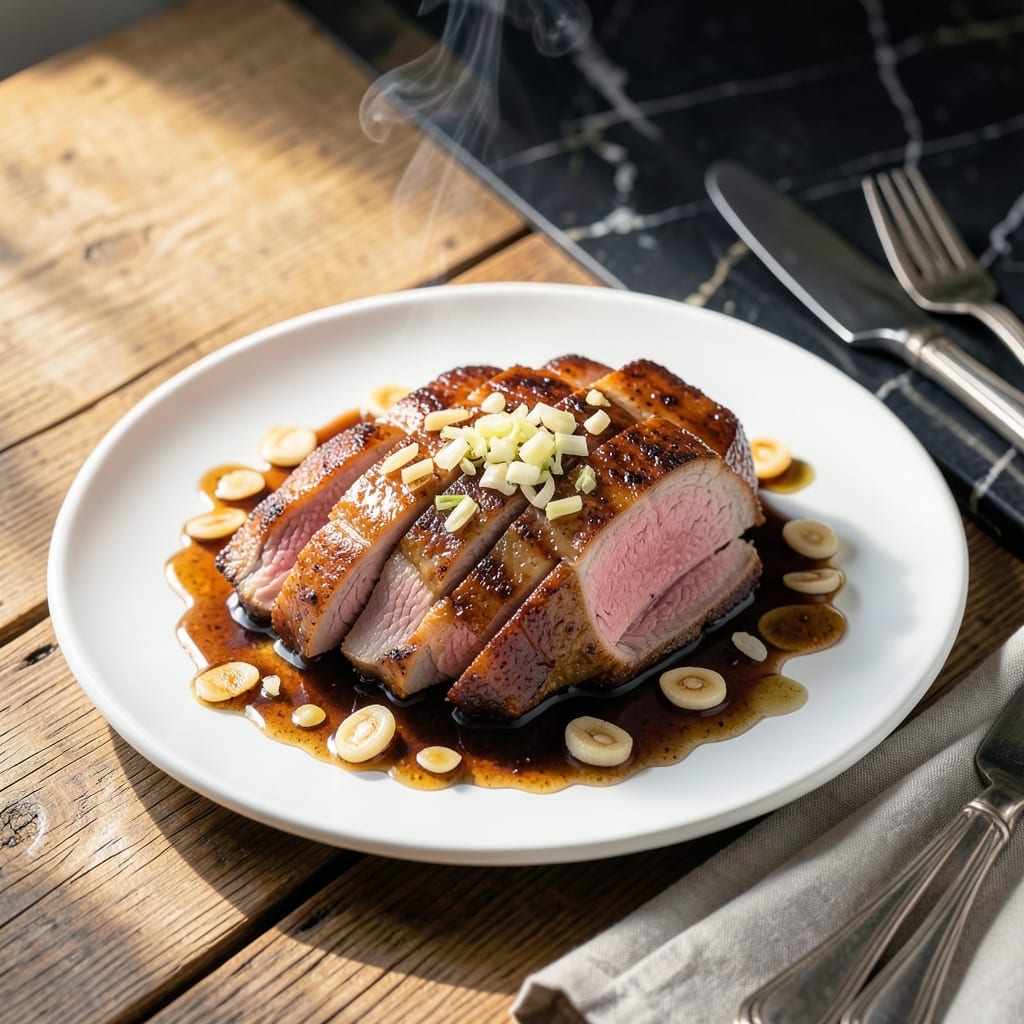
This Asian-inspired pork tenderloin delivers tender, flavorful results every time. I developed this recipe after testing various marinades in my small Boston kitchen, always seeking that perfect balance of savory and sweet.
The soy sauce base creates a rich, umami-packed foundation that penetrates the meat during marination. A touch of brown sugar and garlic adds depth, while the oven finish ensures the pork stays juicy throughout.
What emerges is a dish with a glossy glaze and meat so tender it nearly falls apart. The flavors are bold yet balanced, making it perfect for both weeknight dinners and special occasions.
Serve sliced over rice or with steamed vegetables for a complete meal. This method never fails to impress.
Ingredients for Pork Tenderloin Recipe Soy Sauce
Fifteen ingredients create this Asian-inspired dish with tender, juicy pork every time.
| Ingredient | Amount | Notes |
|---|---|---|
| Pork Tenderloin 🥩 | 1 ½ lb | Trimmed of excess fat |
| Soy Sauce 🫒 | ½ cup | Low-sodium preferred for balance |
| Brown Sugar 🍚 | ¼ cup | Light or dark variety |
| Garlic Cloves 🧄 | 4 cloves | Minced for maximum flavor |
| Fresh Ginger 🌿 | 1 tbsp | Grated, peeled first |
| Rice Vinegar 💧 | 2 tbsp | Balances sweetness and salt |
| Sesame Oil 🫒 | 1 tbsp | Toasted for depth of flavor |
| Olive Oil 🫒 | 1 tbsp | For searing pork |
| Green Onions 🧅 | 3 whole | Thinly sliced for garnish |
| Sesame Seeds 🌾 | 1 tbsp | Toasted, for garnish |
| Red Pepper Flakes 🌶️ | ½ tsp | Adjust for heat preference |
| Cornstarch 🌾 | 1 tbsp | For thickening the glaze |
| Water 💧 | 2 tbsp | To mix with cornstarch |
| Salt 🧂 | ½ tsp | Kosher or sea salt |
| Black Pepper 🌶️ | ½ tsp | Freshly ground preferred |
The pork tenderloin is the star here. Look for a piece around 1.5 lb—uniform thickness ensures even cooking. Whole Foods or your local butcher will have the best selection, but any well-stocked supermarket works. The soy sauce should be low-sodium; regular can overwhelm the balance. Fresh ginger and garlic are non-negotiable for that authentic depth of flavor.
No rice vinegar? Apple cider vinegar at equal amount works in a pinch. Missing sesame oil? Toasted vegetable oil plus a drop of sesame extract can substitute. Brown sugar can be swapped for honey or maple syrup if needed. For extra umami, add 1 tbsp hoisin sauce to the marinade. The cornstarch slurry is key for that glossy finish—don’t skip it.
Marinate the pork for 4-12 hours for best results. Leftovers keep 3-4 days in the fridge or freeze for 2-3 months. Reheat gently to avoid drying out the meat. The glaze can be made ahead and stored separately for up to 1 week.
Why You’ll Love This Recipe
- One Pan Wonder: I toss the pork with soy sauce, brown sugar, and ginger, then roast—no babysitting, no mess.
- Sweet-Savory Magic: The brown sugar caramelizes with the soy sauce into this sticky, finger-licking glaze.
- Weeknight MVP: Honestly, it’s my Tuesday dinner hero—ready before the rice cooker beeps.
- Leftovers Win: Cold slices taste even better in sandwiches the next day. I’ll be real: I make extra on purpose.
Step-by-Step Instructions for Asian-Inspired Glazed Pork Tenderloin
Master the technique for fall-apart tender pork with a glossy soy-based glaze that clings to every bite.
Step 1: Prepare and Season the Pork Tenderloin
Pat the 1.5 lb pork tenderloin dry with paper towels, removing any excess moisture that would interfere with browning. Trim off visible fat and silver skin for uniform texture. Season all sides aggressively with the 0.5 tsp salt and 0.5 tsp black pepper—this creates a flavor foundation and helps develop a crust during searing.
I always let the seasoned pork sit at room temperature for 15-20 minutes before cooking. This takes the chill off the meat, ensuring more even cooking from edge to center. You’ll notice the surface turns slightly tacky—that’s the salt beginning to penetrate, which is exactly what you want.
Step 2: Sear the Pork for Deep Flavor
Heat the 1 tbsp olive oil in a large oven-safe skillet over medium-high heat until it shimmers. Add the pork tenderloin and sear undisturbed for 3-4 minutes per side, turning with tongs. The goal is a deep golden brown crust on all sides, which develops complex Maillard flavors.
Don’t rush this step—you’re building the base for your glaze. The fond (those browned bits on the pan bottom) will dissolve into the sauce later, adding incredible depth. When the pork releases easily from the pan, it’s ready to turn. Transfer the seared tenderloin to a plate and set aside momentarily.
Step 3: Create the Soy-Glaze Sauce
In the same skillet, reduce heat to medium and add the 4 cloves minced garlic cloves and 1 tbsp grated fresh ginger. Sauté for 30-45 seconds until fragrant but not browned—burnt garlic turns bitter. Immediately pour in the 0.5 cup soy sauce, 0.25 cup brown sugar, 2 tbsp rice vinegar, 1 tbsp sesame oil, and 0.5 tsp red pepper flakes.
Stir to combine and bring to a gentle simmer. While the mixture heats, whisk the 1 tbsp cornstarch with the 2 tbsp water until smooth, then stir this slurry into the sauce. Simmer for 2-3 minutes until the glaze thickens enough to coat the back of a spoon with a glossy sheen.
Step 4: Finish and Rest the Pork
Return the seared pork tenderloin to the skillet and spoon the glaze over the top, coating it completely. Reduce heat to low, cover, and let it cook for 8-10 minutes, turning the pork occasionally to baste. The internal temperature should reach 145°F—use an instant-read thermometer for accuracy.
The glaze will reduce further and create a beautiful lacquered finish. When the pork reaches temperature, transfer it to a cutting board and let it rest for 10 minutes. This allows the juices to redistribute, ensuring every slice remains moist and tender. Tent loosely with foil to keep warm.
Step 5: Slice and Garnish for Serving
Slice the pork tenderloin against the grain into ½-inch thick medallions. The grain runs lengthwise, so your knife should cut perpendicular to this direction. This shortens the muscle fibers, making each bite more tender.
Arrange the slices on a platter and drizzle with any remaining glaze from the skillet. Garnish with the 3 whole thinly sliced green onions and 1 tbsp toasted sesame seeds for color and crunch. Serve immediately while the glaze is still glossy and the pork is at its peak tenderness.
Pro Tips For Making Pork Tenderloin Recipe Soy Sauce
- Sear Then Roast: Start with a screaming hot pan to sear the pork tenderloin for 2-3 minutes per side, then move it to a 400°F oven to finish cooking. I learned this the hard way—skipping the sear leaves the flavor flat.
- Trim the Silver Skin: That tough white membrane on the pork tenderloin won’t soften no matter how long you cook it. Grab a sharp knife and remove it before marinating—sounds tedious, but it’s non-negotiable for tender meat.
- Don’t Over-Marinate: Soy sauce starts curing the meat after about 4 hours, turning the texture mealy. Stick to 2-3 hours max, or you’ll regret it like I did my first three tries.
- Use Fresh Ginger: That jarred ginger won’t cut it here—fresh ginger grated into the soy sauce marinade adds brightness that dried or pre-ground can’t. My grandmother swore by this, and she was right.
Health Benefits of This Dish
Lean Protein Power
Pork tenderloin is one of the leanest cuts you can choose, with a 3-ounce serving providing about 22 grams of protein while keeping saturated fat low. This makes it ideal for maintaining muscle mass without excess calories. I love that it fits perfectly into a balanced diet. 💪
Rich in B Vitamins
This cut is packed with B vitamins, especially B6 and B12, which support energy metabolism and nervous system health. A single serving delivers about 30% of your daily B6 needs and nearly 50% of B12. These nutrients help your body convert food into fuel efficiently.
Iron and Zinc Boost
Pork tenderloin provides heme iron, which your body absorbs more easily than plant-based iron. It also contains zinc, crucial for immune function and wound healing. I notice I feel more energized when I include it regularly in my meals.
Soy Sauce Benefits
The soy sauce in this recipe adds more than flavor—it contains fermented soy proteins that may support gut health. The fermentation process also creates beneficial compounds like nattokinase, known for cardiovascular benefits.
Low Calorie Option
With only about 140 calories per 3-ounce serving before adding the glaze, this dish is a great option for weight management. The soy-based glaze adds minimal calories while maximizing flavor. It’s a win-win for taste and health. ✨
Antioxidant Properties
The garlic and ginger in the marinade aren’t just for taste—they’re packed with antioxidants that combat inflammation. These ingredients have been used for centuries in traditional medicine for their health-promoting properties.
Nutrition Facts
Frequently Asked Questions
How long should I marinate the pork?
Marinate for at least 4 hours but ideally 8-12 hours for maximum flavor penetration. Overnight in the fridge works perfectly if you’re prepping ahead.
Can I use a different cut of pork?
Pork loin can work, but it’s thicker and needs longer cooking. Tenderloin is ideal because it cooks quickly and stays juicy. Avoid fatty cuts like ribs.
Why did my glaze turn out thin?
Simmer the sauce longer or use more cornstarch slurry. The glaze should coat the back of a spoon when ready. 2-3 minutes of simmering usually does it.
What sides pair well with this dish?
Steamed jasmine rice and stir-fried vegetables complement the flavors beautifully. The rice soaks up the extra glaze perfectly.

- Potato Patty Recipe No Egg: Crispy Edges Without the Binder - October 30, 2026
- Paula Deen’s Potato Chip Cookies Recipe: Salty-Sweet Crunch in Every Bite - October 30, 2026
- Potato Gnocchi Recipe Ideas: Pillowy Soft Dumplings With Rustic Charm - October 30, 2026