
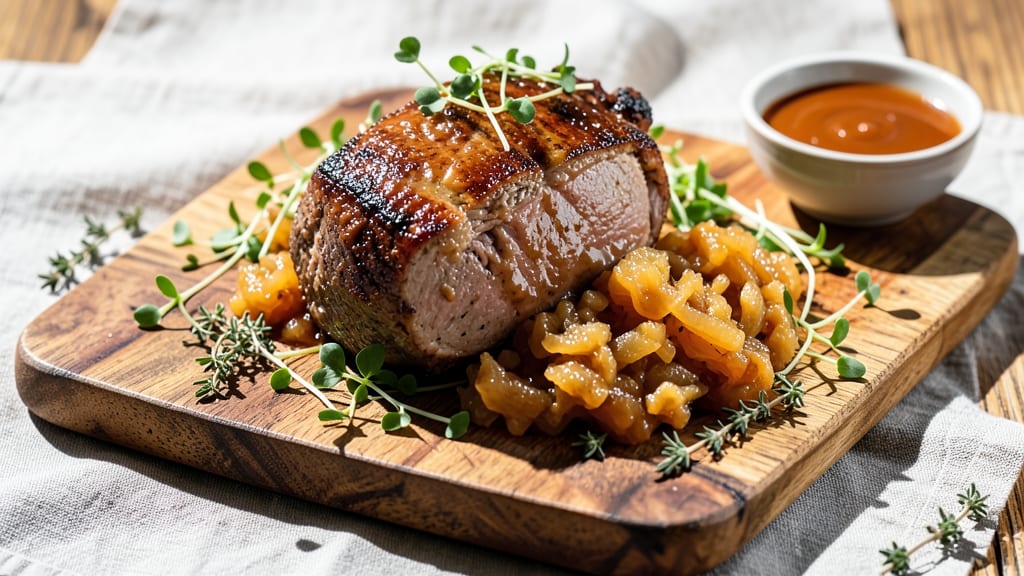
This pot roast and sauerkraut recipe delivers the kind of hearty, comforting meal that feels like a warm hug on a chilly day. The slow-cooked beef becomes fork-tender while the sauerkraut softens into a tangy, flavorful side that perfectly balances the richness.
After years of testing different methods, I’ve perfected a technique that ensures the meat stays juicy and the sauerkraut retains its signature tang without turning mushy.
The beauty of this German-style dish lies in its simplicity—just a few quality ingredients and 3 hours of hands-off cooking transform tough cuts into melt-in-your-mouth perfection. The key is browning the roast first to develop deep flavor, then braising it low and slow with aromatic vegetables.
Meanwhile, the sauerkraut gets gently warmed to enhance its natural acidity, creating a dish that’s both comforting and restaurant-worthy.
What you’ll end up with is a rich, deeply flavorful pot roast with crispy edges and tender meat that falls apart at the touch of a fork, paired with sauerkraut that’s just soft enough to eat but still holds its texture.
The aroma alone will have everyone gathering at the table, and the first bite delivers that perfect balance of savory, tangy, and umami flavors that define classic German comfort food.
This recipe serves a crowd and reheats beautifully, making it ideal for family dinners or holiday gatherings. The leftovers are even better the next day, as the flavors continue to meld and deepen. Let’s get cooking—your taste buds will thank you.
Ingredients for pot roast and sauerkraut
Six ingredients make this German classic—just beef, veggies, and pantry staples for melt-in-your-mouth perfection.
| Ingredient | Amount | Notes |
|---|---|---|
| Beef Chuck Roast 🥩 | 3 lb | 3-4 inch thick, well-marbled |
| Yellow Onions 🧅 | 2 whole | Medium size, peeled, halved |
| Carrots 🥕 | 4 whole | Medium size, peeled, cut into chunks |
| Celery Stalks 🥬 | 4 whole | Medium size, trimmed |
| Garlic Cloves 🧄 | 6 cloves | Peeled, smashed slightly |
| Unsalted Butter 🧈 | ½ cup | Cold, cut into pieces |
| All-Purpose Flour 🌾 | ¼ cup | For dredging meat |
| Dry Red Wine 🍷 | 1 cup | Bold variety like Cabernet |
| Beef Broth 💧 | 2 cups | Low-sodium preferred |
| Bay Leaves 🌿 | 2 whole | Fresh if possible |
| Thyme Sprigs 🌿 | 2 whole | Fresh or dried |
| Sauerkraut 🥬 | 2 cups | Drained, rinsed if too sour |
| Salt 🧂 | 2 tsp | Diamond Crystal kosher |
| Black Peppercorns 🌶️ | 1 tsp | Freshly cracked |
The beef is everything here. Chuck roast with good marbling (that white fat) is non-negotiable—it renders into flavor while keeping the meat juicy. Costco or local butchers usually have the best cuts, but regular grocery stores stock it too. Look for a piece that’s about 3-4 inches thick—thinner cuts dry out. The onions, carrots, and celery should be fresh but don’t stress about perfect uniformity. Trader Joe’s sells pre-chopped mirepoix if you’re short on time, though I prefer cutting my own for better flavor. For the wine, any bold red works—Cabernet, Merlot, whatever’s open. The broth? Low-sodium is key unless you want to adjust later.
No red wine? Beef broth with 1 tbsp balsamic vinegar works in a pinch. Fresh thyme is ideal but dried works at half the amount. The sauerkraut can be store-bought (I like Reichardt’s) or homemade—just make sure it’s not too sour. Rinse it briefly if needed, but don’t overdo it or you’ll lose that tang. For the butter, European-style (like Plugrá) adds richness, but regular unsalted butter is fine. The carrots can be baby carrots if that’s what’s in the fridge—just trim the ends. And if you’re feeling fancy, add a splash of apple cider vinegar to the braising liquid for extra depth.
This reheats like a dream—honestly better the next day as flavors meld. Keeps 4-5 days in the fridge, freezes for 3 months. I always make a double batch because leftovers are perfect for sandwiches or hash. Store the roast and sauerkraut separately in airtight containers. The sauerkraut will soften further but stays delicious. For serving, I like to spoon the juices over everything—don’t skip that part!
Why You’ll Love This Recipe
- One-Pan Simplicity: I swear by this recipe because it’s the kind of meal where you dump everything in one pot and walk away. No chopping boards full of tiny bits—just rough dice of onions, carrots, and celery (the “soup mirepoix” my grandma called it) that get tossed in with the beef and sauerkraut. The only real prep is searing the meat, and honestly? That’s the best part.
- Deep, Tangy Magic: The sauerkraut brings the heat—and I mean that in the best way. That fermented punch cuts through the richness of the beef, while the garlic and carrot sweetness mellow it out. The longer it braises, the more the flavors meld into something so rich, you’ll want to lick the spoon. (Yes, even on a Tuesday night.)
- Weeknight Workhorse: This is my go-to when I need to feed a crowd without stressing. Double the recipe for game day, potlucks, or just because. The leftovers? Even better the next day—tender beef, slightly caramelized veggies, and sauerkraut that’s absorbed all the juices. It’s the kind of meal that gets passed around the table with zero complaints.
- Budget-Friendly Beast: A chuck roast is cheap, and it turns into a showstopper with almost no effort. The onions, carrots, and celery are pantry staples, and sauerkraut lasts for months. I’ll be real: this is the kind of dish that makes me feel like I’m feeding my family like royalty without breaking the bank. (My wallet thanks me every time.)
Step-by-step instructions for pot roast and sauerkraut
Here’s how to create a rich, slow-cooked German masterpiece that transforms tough beef into melt-in-your-mouth tenderness.
Sear the Beef Chuck Roast for Maximum Flavor
Pat the 3 lb beef chuck roast dry with paper towels—this ensures a proper sear. Heat a heavy Dutch oven over medium-high heat until it’s smoking hot. Add the cold 0.5 cup unsalted butter cut into pieces and let it melt completely, coating the bottom of the pot.
Place the beef in the pot, fat-side down, and press gently with a spatula to create full contact with the hot surface. Sear for 4-5 minutes until a deep golden-brown crust forms. Flip the roast and sear the other side for another 4-5 minutes. The goal here is to develop that rich, caramelized crust that will infuse the sauce with deep flavor.
Remove the beef and set it aside on a plate. You’ll notice the butter has turned golden and developed a nutty aroma—this is your flavor foundation. Don’t wipe out the pan; those browned bits are pure flavor gold.
Build the Aromatic Vegetable Base
In the same Dutch oven, add the 2 whole yellow onions cut into wedges, 4 whole carrots cut into chunks, and 4 whole celery stalks cut into 1-inch pieces. Cook over medium heat for 8-10 minutes, stirring occasionally, until the vegetables begin to soften and release their natural juices.
Add the 6 cloves garlic cloves (smashed slightly) and cook for another 30 seconds until fragrant. Here’s where it gets good—pour in the 1 cup dry red wine and scrape up all those browned bits from the bottom of the pot with a wooden spoon. This technique, called deglazing, captures all the meaty flavor that would otherwise stick to the pan.
Let the wine simmer for 3-4 minutes until it reduces by about half. You’ll see it darken slightly and concentrate in flavor. This reduction forms the backbone of your sauce, so don’t rush this step.
Create the Velvety Sauce and Braise the Roast
Sprinkle the 0.25 cup all-purpose flour evenly over the vegetables and stir to coat everything completely. Cook for 1-2 minutes until the flour turns a light golden color. This creates a roux that will thicken your sauce beautifully.
Pour in the 2 cups beef broth and add the 2 whole bay leaves and 2 whole thyme sprigs. Return the beef to the pot, fat-side up, and bring everything to a gentle simmer. Here’s the crucial part: cover the pot with a tight-fitting lid and transfer it to a 325°F oven.
Braise for 3 hours, or until the beef is fork-tender. You’ll know it’s ready when a knife slides in easily and the internal temperature reaches 200°F. The meat should pull apart with gentle pressure, not requiring much force. This low-and-slow cooking method breaks down the tough connective tissue, transforming it into succulent, fork-tender meat.
Finish with Sauerkraut and Rest
Remove the beef from the pot and set it aside on a cutting board. Skim any excess fat from the sauce using a spoon, leaving about 2 tablespoons in the pot for flavor. Add the 2 cups sauerkraut to the pot and stir gently to combine with the sauce.
Return the pot to the stove over medium-low heat and simmer uncovered for 15-20 minutes. This allows the sauerkraut to soften slightly and absorb some of the rich beef flavors. The sauerkraut should be heated through but still retain its distinct texture and tangy flavor.
Let the beef rest for 15 minutes before slicing. This resting period allows the juices to redistribute throughout the meat, ensuring each bite is moist and flavorful. During this time, taste the sauce and adjust seasoning if needed with the 2 tsp salt and 1 tsp black peppercorns.
Pro Tips For Making Pot Roast And Sauerkraut
- SEAR THE ROAST FIRST: I used to skip this step and just toss the chuck roast straight into the pot with the veggies—big mistake. Get that meat screaming hot in a dry pan for 3-4 minutes per side before adding liquid. The crust locks in flavor and makes the final result taste like you actually put in effort.
- CUT ONIONS THICK: Thin slices caramelize too fast and turn mushy. Instead, chop those yellow onions into ½-inch chunks—they’ll stay intact while absorbing the beef’s juices and adding depth. (Yes, even if it looks rustic—it’s the right way.)
- DON’T DROWN THE POT: Sauerkraut releases its own liquid, but adding too much broth or water dilutes the tang. Aim for just enough to cover the bottom of the pan—about 1 cup—and let the roast and veggies steam in their own juices. You’re not making soup here.
- REST THE MEAT 15 MINUTES: After pulling the pot off the heat, tent the roast with foil and walk away for 15 minutes. Cutting into it too soon means dry, stringy meat—no one wants that. (I know, I know, but trust the process.)
Flavor customization for this recipe
Sweet & Smoky Twist
Add 1 tbsp smoked paprika and 1 tsp maple syrup to the braising liquid for a sweet-smoky depth. I like to stir these in with the wine during the deglazing step.
The paprika enhances the German flavors while the maple syrup caramelizes beautifully, creating a glossy sauce that coats every bite. 🔥
Creamy Mustard Sauerkraut
Stir 2 tbsp Dijon mustard and ¼ cup sour cream into the sauerkraut during the final 15 minutes of heating. This creates a creamy, tangy contrast that cuts through the richness of the beef.
For extra richness, fold in 1 oz melted butter at the end. The mustard adds complexity while the sour cream mellows the sauerkraut’s acidity.
Spiced Apple Addition
Add 1 diced apple (like Honeycrisp) and ½ tsp cinnamon to the braising liquid during the final 30 minutes of cooking. The apple softens into the sauce, adding natural sweetness and texture.
The cinnamon complements the beef beautifully, creating a warm spice note that pairs perfectly with the tangy sauerkraut. 🍏
Balsamic Glaze Finish
Deglaze the pot with ¼ cup balsamic vinegar instead of wine for a richer, slightly sweeter sauce. Reduce it by half before adding the broth. The balsamic adds depth and complexity that makes the dish feel more sophisticated. I recommend Cupole balsamic for its balanced sweetness and acidity.
Herb-Infused Variations
Add 1 tbsp fresh rosemary or 1 tsp dried marjoram to the braising liquid for an herbal twist. Rosemary pairs beautifully with beef and adds a piney aroma that complements the sauerkraut’s tang.
Marjoram offers a sweeter, more floral note that works especially well with the wine’s flavors. Fresh herbs should be added during the final 30 minutes of cooking.
Cheesy Potato Topping
Serve with a side of cheesy potato mash made from 2 cups mashed potatoes, ½ cup gruyère cheese, and 2 tbsp butter. Spread this mixture on top of the roast and sauerkraut in the oven for the final 10 minutes of cooking.
The melted cheese creates a golden, crispy topping that adds another layer of texture and richness to the dish. 🧀
Nutrition facts
Frequently asked questions
Can I use a different cut of beef instead of chuck roast?
While chuck roast is ideal for its marbling and flavor, you can substitute with chuck eye roast or bottom round roast. Avoid lean cuts like sirloin—they’ll dry out during the long braise. For round roast, increase braising time by 30-45 minutes to ensure tenderness.
How do I prevent the sauerkraut from getting mushy?
Never boil the sauerkraut—simmer it gently at medium-low heat for just 15-20 minutes. The acidity in sauerkraut breaks down quickly when overheated. For extra texture, stir in 1 tbsp apple cider vinegar at the end to brighten flavors without softening further.
Can I make this in a slow cooker?
Sear the beef first in a skillet, then transfer everything (including wine and broth) to your slow cooker. Cook on low for 7-8 hours or high for 4-5 hours. Add sauerkraut in the last 30 minutes to prevent over-softening. The slow cooker method is perfect for hands-off prep.
What if my sauerkraut is too sour?
Rinse it briefly under cold water to reduce acidity, but don’t overdo it—you want to preserve some tang. For extra balance, stir in 1 tbsp honey or 1 tsp sugar during the final heating step. The caramelization will mellow the sharpness while adding depth.
How should I serve this classic dish?
Pair with mashed potatoes, buttered egg noodles, or crusty rye bread to soak up the rich sauce. For a complete meal, add a simple green salad with a lemon vinaigrette to cut through the heartiness. Serve with steamed carrots or roasted parsnips for extra color and nutrients.

- Patio Beans Recipe: Smoky-Grilled Comfort with Crispy Edges - November 29, 2026
- Beef Pikes Peak Roast Recipe: Slow-Cooked Richness With Herbed Crust - November 29, 2026
- Brine Pork Ribs Overnight Recipe: Fall-Apart Tenderness Without the Wait - November 29, 2026