
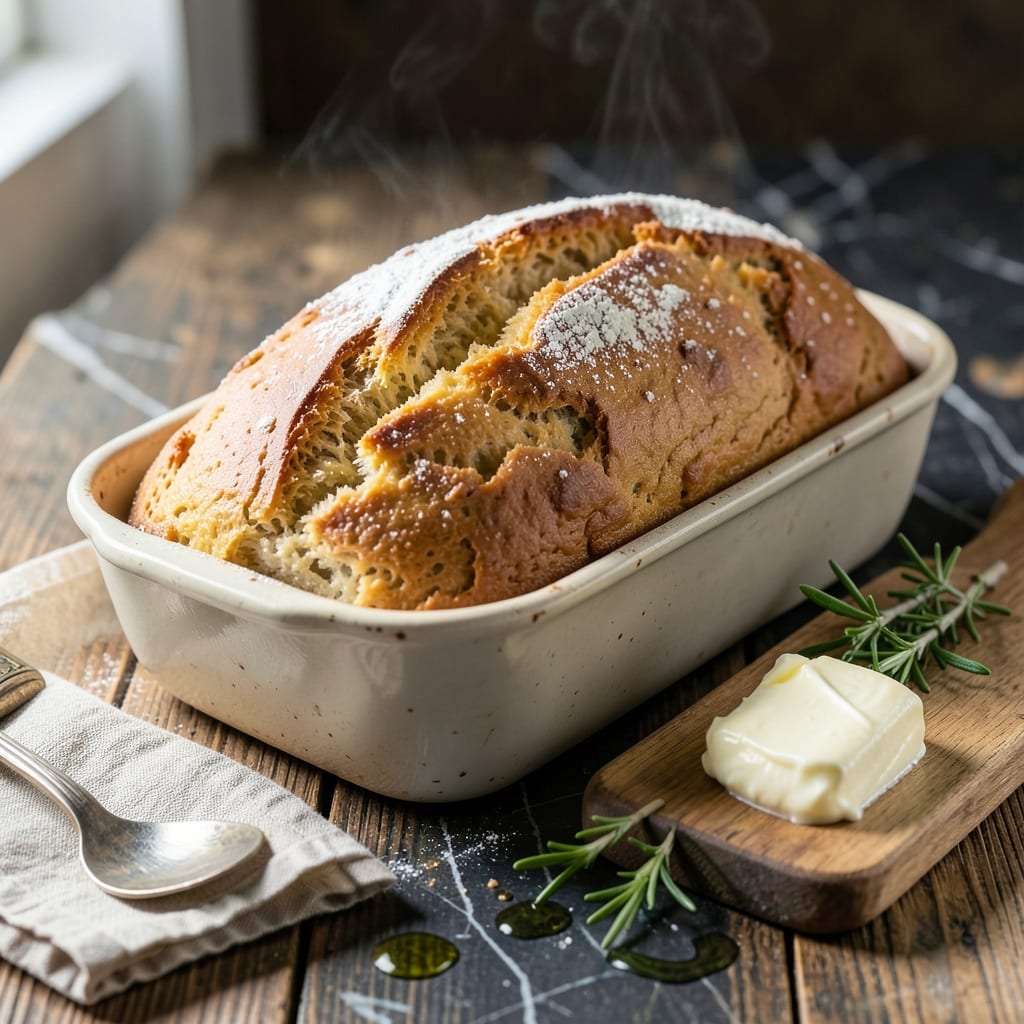
There’s something special about potato bread—its tender crumb and subtle sweetness set it apart from ordinary loaves. This bread machine version makes it effortless to achieve bakery-quality results at home.
The secret lies in using mashed potatoes, which add moisture and richness to the dough. With just a few simple ingredients and your bread machine, you’ll have a soft, fluffy loaf with minimal hands-on time.
No kneading, no fuss—just load the ingredients, select the setting, and let the machine do the work. The result is a golden, perfectly risen loaf with a texture that’s both light and satisfying.
Ideal for sandwiches, toast, or serving alongside your favorite meals. This recipe proves that homemade bread can be both delicious and convenient.
Ingredients for Potato Bread Recipe for Bread Machine with Mashed Potatoes
Simple ingredients, big flavor—this bread machine loaf comes together with pantry staples.
| Ingredient | Amount | Notes |
|---|---|---|
| Mashed Potatoes 🥔 | 1 cup | Cooled, no butter or milk added |
| Bread Flour 🌾 | 3 ½ cups | All-purpose flour works in a pinch |
| Lukewarm Water 💧 | ¾ cup | About 110°F for yeast activation |
| Active Dry Yeast 🍞 | 2 ¼ tsp | One 0.25 oz packet plus extra |
| Granulated Sugar 🧂 | 2 tbsp | Balances yeast and adds sweetness |
| Salt 🧂 | 1 ½ tsp | Fine sea salt preferred |
| Unsalted Butter 🧈 | 2 tbsp | Softened, for richness |
| Whole Milk 🥛 | ¼ cup | Warmed slightly, enhances texture |
| Large Egg 🥚 | 1 whole | Room temperature for even mixing |
| Honey 🍯 | 1 tbsp | Adds subtle sweetness and moisture |
| Potato Flakes 🥔 | 2 tbsp | Optional for extra potato flavor |
The mashed potatoes are key here. Use leftover plain potatoes (no butter or milk) or make a fresh batch—Yukon Golds give the best texture. For convenience, instant potato flakes work too, just rehydrate and cool them first. Bread flour gives that perfect structure, but all-purpose in a pinch works fine. King Arthur is my go-to brand for both.
No bread flour? Swap in all-purpose, but add an extra tablespoon or two to compensate. Fresh out of yeast? Instant yeast at the same amount works—no need to proof it first. For a dairy-free version, use water instead of milk and vegan butter. The honey can be swapped for maple syrup if you prefer, though it might slightly alter the flavor profile.
Store the loaf wrapped in foil or a bread bag at room temperature for up to 3 days. For longer storage, slice and freeze in an airtight bag for up to 3 months. Reheat slices in a toaster or oven (350°F for 5-10 minutes) to revive that fresh-baked feel.
Why You’ll Love This Recipe
- Set It & Forget: I toss the mashed potatoes and flour in the bread machine, press start, and let it do the work while I tackle the rest of my day.
- Softest Loaf Ever: The mashed potatoes make the crumb so tender it’s practically pillowy—I’ve never had store-bought bread this good.
- Weeknight Hero: Between us, this bread pairs just as well with dinner as it does with jam for breakfast the next morning.
- Budget Stretcher: Honestly, using leftover mashed potatoes saves me from wasting them and gives me a fresh loaf for pennies.
Step-by-Step Instructions for Potato Bread in a Bread Machine
This foolproof method guarantees a soft, pillowy loaf with minimal hands-on time.
Step 1: Activate the Yeast and Warm the Liquids
Begin by warming the 0.75 cup lukewarm water and 0.25 cup whole milk to about 110°F—this is the ideal temperature for yeast activation. I use a kitchen thermometer to ensure accuracy, as too hot will kill the yeast and too cold will prevent it from blooming.
In your bread machine pan, add the warm liquids followed by the 2.25 tsp active dry yeast. Let it sit for 5-10 minutes until the yeast becomes foamy and bubbly. This visual confirmation means your yeast is alive and active, which is critical for a good rise.
Step 2: Layer Wet and Dry Ingredients Strategically
Once the yeast is activated, add the remaining wet ingredients: 1 whole large egg, 2 tbsp unsalted butter, 1 tbsp honey, and 1 cup mashed potatoes. I always ensure the mashed potatoes are cooled to room temperature to avoid shocking the yeast.
Next, sprinkle the dry ingredients over the wet: 3.5 cups bread flour, 2 tbsp granulated sugar, 1.5 tsp salt, and 2 tbsp potato flakes. The order matters—keep wet and dry separate until the machine starts mixing to prevent premature gluten development.
Step 3: Select the Correct Bread Machine Setting
Secure the pan in your bread machine and select the “basic” or “white bread” setting with a medium crust. I’ve found that a 2-pound loaf setting works best for this recipe, even though the actual weight might be slightly less. The potato adds moisture, so the dough will be stickier than traditional bread dough.
Start the machine and let it run through the kneading cycle. After about 10 minutes, check the dough—it should form a smooth, slightly tacky ball. If it looks too dry, add 1 tbsp of lukewarm water; if too wet, add 1 tbsp of bread flour.
Step 4: Monitor the Rise and Bake Cycles
Allow the machine to complete the full cycle, which typically takes 3-4 hours depending on your model. During the final rise, resist the urge to open the lid—temperature fluctuations can cause the loaf to collapse. You’ll know it’s baking when you start to smell that irresistible, warm bread aroma.
The bread is done when the machine beeps and the internal temperature reaches 190-200°F. If your machine doesn’t have a temperature probe, look for a deep golden-brown crust and a hollow sound when you tap the top of the loaf.
Step 5: Cool Properly Before Slicing
Once the cycle finishes, carefully remove the pan from the machine using oven mitts—it will be extremely hot. Let the bread cool in the pan for 5 minutes, then transfer it to a wire rack to cool completely for at least 1 hour.
This cooling step is crucial. Slicing too soon traps steam inside, which can make the bread gummy. When fully cooled, the texture will be light, fluffy, and perfectly sliceable, with a subtle sweetness and rich potato flavor in every bite.
Pro Tips For Making Potato Bread Recipe For Bread Machine With Mashed Potatoes
- Cool the Mashed Potatoes: I learned this the hard way—adding hot mashed potatoes to your bread machine can kill the yeast. Let them cool to room temperature, about 70-80°F, before mixing.
- Measure Flour Right: Scooping flour directly from the bag packs it down—use a spoon to fluff it first, then level off with a knife. After burning three loaves, I finally figured out this was the issue.
- Check Yeast Freshness: Sounds weird, but it works: test your yeast in ¼ cup lukewarm water with 1 tsp sugar first. If it doesn’t foam in 5-10 minutes, your bread won’t rise.
- Use Leftovers Smart: My grandmother swore by this, and she was right: use unsalted mashed potatoes (no butter/milk) to avoid throwing off your dough’s moisture balance.
Make-Ahead Tips for This Dish
Overnight Dough Prep
You can prep the dough the night before by mixing all ingredients except yeast in your bread machine pan. Cover and refrigerate for up to 12 hours. In the morning, add the yeast, let it activate, then start the machine. This works great for fresh bread at breakfast. ⏰
Freeze the Dough
After the kneading cycle but before rising, remove the dough, shape it into a ball, and freeze in an airtight container for up to 1 month. Thaw overnight in the fridge, then bake in your machine using the “dough only” setting.
Pre-Portion Ingredients
Measure all dry ingredients the night before and store in a sealed container. In the morning, just add liquids and yeast to the machine. I use King Arthur flour and find it stays fresh for weeks in my pantry.
Bake Then Freeze
Bake the loaf completely, let it cool, then slice and freeze in a ziplock bag with parchment between slices. This way, you can toast individual pieces straight from the freezer. They’ll taste almost fresh-baked. ❄️
Make Extra Mashed
Double your mashed potato batch—use 1 cup for bread and save the rest for dinner. Yukon Golds work best as they’re naturally buttery. Just be sure they’re completely cooled before adding to the dough.
Time-Saving Tip
If short on time, use instant potato flakes instead of mashed potatoes. Mix 2 tbsp flakes with ¼ cup hot water, cool, then proceed with the recipe. The texture will be slightly different but still delicious.
Nutrition Facts
Frequently Asked Questions
Can I use instant mashed potatoes instead?
Yes! Mix 2 tbsp instant potato flakes with ¼ cup hot water, then cool before adding. The texture will be slightly different but still soft and flavorful.
Why is my dough too sticky?
Potatoes add extra moisture. If the dough sticks after 10 minutes of kneading, add 1 tbsp flour at a time until it forms a smooth ball. Avoid adding too much.
What setting should I use on my bread machine?
Select the “basic” or “white bread” setting with a medium crust. The 2-pound loaf option works best, even if your loaf is slightly smaller.
How long does it keep fresh?
Store wrapped at room temperature for up to 3 days. For longer, slice and freeze for up to 3 months. Toast frozen slices to revive.

- Potato Patty Recipe No Egg: Crispy Edges Without the Binder - October 30, 2026
- Paula Deen’s Potato Chip Cookies Recipe: Salty-Sweet Crunch in Every Bite - October 30, 2026
- Potato Gnocchi Recipe Ideas: Pillowy Soft Dumplings With Rustic Charm - October 30, 2026