
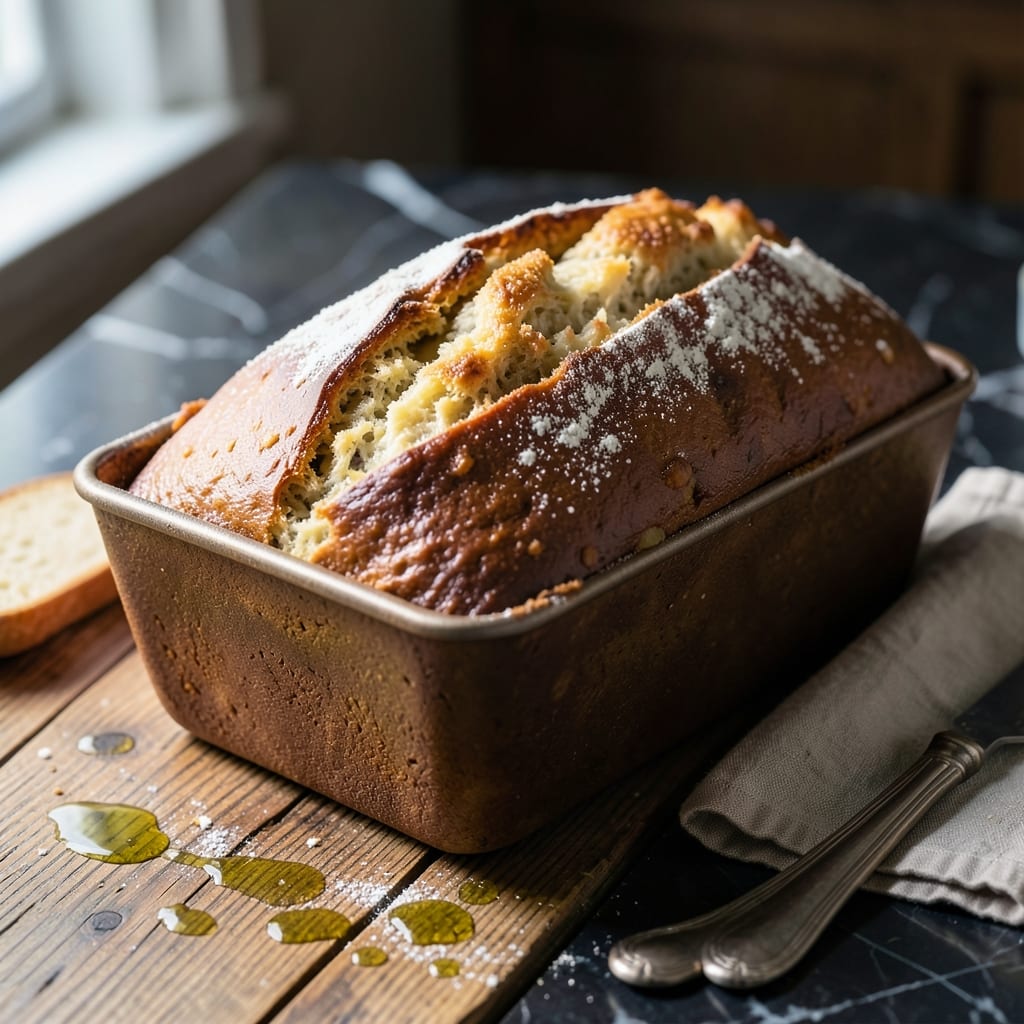
I’ve spent years perfecting bread machine recipes, and this potato bread stands above the rest. The bread machine does all the work while you enjoy the process.
Potatoes add natural sweetness and moisture, creating a soft, pillowy texture that stays fresh longer than most loaves. The method is straightforward, with precise measurements for consistent results.
This loaf delivers a tender crumb and golden crust with minimal effort. The aroma alone makes it worth the wait, filling your kitchen with warmth.
Ideal for sandwiches, toast, or serving alongside your favorite meal. The results speak for themselves.
Ingredients for Potato Bread Recipe for Bread Machine
Simple ingredients for the softest, most pillowy potato bread your machine can make.
| Ingredient | Amount | Notes |
|---|---|---|
| Water 💧 | 1 ¼ cups | Warm, about 110°F |
| Mashed Potatoes 🥔 | 1 cup | Cooled, no butter or milk added |
| Bread Flour 🌾 | 4 cups | Plus extra for dusting |
| Granulated Sugar 🍚 | ¼ cup | For yeast activation |
| Active Dry Yeast 🍞 | 2 ¼ tsp | One packet plus extra |
| Salt 🧂 | 1 ½ tsp | Fine sea salt preferred |
| Unsalted Butter 🧈 | 2 tbsp | Melted and cooled |
| Nonfat Dry Milk 🥛 | ¼ cup | Enhances texture and rise |
| Large Egg 🥚 | 1 whole | Room temperature |
| Potato Flakes 🥔 | ¼ cup | Optional for extra potato flavor |
| Olive Oil 🫒 | 1 tbsp | For pan greasing |
The potatoes are key here. Use leftover mashed potatoes (plain, no butter or milk) or instant flakes for convenience. King Arthur Bread Flour gives the best rise and texture—I’ve tried cheaper brands, and the difference is noticeable. Make sure your yeast is fresh (check the expiration date). For the best results, weigh your flour if you have a scale (4 cups = ~480g).
No bread flour? All-purpose works in a pinch but swap 2 tbsp of flour for cornstarch to boost the rise. Out of dry milk? Replace with liquid milk at one-third the amount. Skip the egg if needed—just add an extra tbsp of water. If your potatoes are salty, reduce the added salt by half. The butter can be subbed with olive oil (same amount) for a dairy-free version.
Store flour and yeast in airtight containers to keep them fresh for 6-12 months. Leftover bread stays soft for 3-4 days wrapped in plastic or foil. Slice before freezing for easy toasting later—it’ll keep for 3 months.
Why You’ll Love This Recipe
- Hands-Off Baking: I just dump everything in the bread machine and let it do the work—no kneading, no fuss.
- Pillowy Softness: The mashed potatoes make this loaf so tender it nearly melts in your mouth.
- Meal Prep Star: I slice and freeze half the loaf for sandwiches all week long.
- Pantry Friendly: Between us, it uses staples I already have, and the yeast makes it rise like a dream.
Step-by-Step Instructions for Potato Bread in a Bread Machine
Here’s the method. Straightforward, tested, works every time.
Step 1: Activate the Yeast and Prepare Wet Ingredients
Begin by warming the 1.25 cups Water to about 110°F—it should feel warm but not hot to the touch. In the bread machine pan, combine the warm water with the 0.25 cup Granulated Sugar and sprinkle the 2.25 tsp Active Dry Yeast on top. I let this sit for 5-10 minutes until the yeast becomes foamy, which confirms it’s active and ready to work its magic.
Next, add the 1 cup Mashed Potatoes (cooled), 2 tbsp Unsalted Butter (melted and cooled), 0.25 cup Nonfat Dry Milk, and 1 whole Large Egg to the pan. The mashed potatoes add moisture and a subtle sweetness, while the dry milk enhances the bread’s texture and rise. Whisk these wet ingredients together lightly to combine before moving to the next step.
Step 2: Incorporate Dry Ingredients and Start the Machine
Measure out the 4 cups Bread Flour and 1.5 tsp Salt. I prefer to add the salt in a separate corner of the pan to prevent it from coming into direct contact with the yeast, which can inhibit its activity. Pour the flour over the wet ingredients, then sprinkle the salt on top. If using, add the 0.25 cup Potato Flakes for an extra boost of potato flavor.
Secure the pan in the bread machine and select the basic or white bread setting with a medium crust. The machine will handle the mixing and kneading, but I recommend checking the dough after 10 minutes of kneading. It should form a smooth, slightly tacky ball. If it looks too dry, add warm water 1 tablespoon at a time; if too sticky, sprinkle in 1 tablespoon of Bread Flour at a time.
Step 3: Monitor the Rise and Bake Cycle
Once the kneading cycle completes, the dough will enter the rise phase. I like to keep an eye on it through the machine’s window—you should see it double in size within 45-60 minutes. If your kitchen is cooler, the rise might take a bit longer, but the bread machine’s controlled environment usually ensures consistent results.
When the bake cycle begins, resist the urge to open the lid. The heat and steam trapped inside are crucial for achieving that perfect, soft crumb. The machine will signal when the bread is done, typically after 3-4 hours total, depending on your model. The loaf should be golden brown on top and sound hollow when tapped lightly.
Step 4: Cool and Remove the Loaf
Once the bread machine beeps, carefully remove the pan using oven mitts—it will be hot! Gently shake the pan to loosen the loaf, then turn it out onto a wire rack. I always grease the pan with 1 tbsp Olive Oil before starting to make removal effortless and prevent sticking.
Let the bread cool for at least 20-30 minutes before slicing. This waiting period allows the crumb to set properly, ensuring clean slices and the best texture. The aroma of freshly baked potato bread filling your kitchen is almost as rewarding as that first soft, pillowy bite.
Pro Tips For Making Potato Bread Recipe For Bread Machine
- Cool the Potatoes: Make sure your mashed potatoes are completely cooled to room temperature before adding them to the bread machine—hot potatoes can kill the yeast and leave you with a dense loaf.
- Measure Flour Right: Spoon the bread flour into your measuring cup and level it off; scooping directly from the bag packs it down and can make your bread dry and heavy.
- Check Yeast Freshness: I learned this the hard way—test your yeast in 1/4 cup warm water with a pinch of sugar first. If it doesn’t bubble within 5 minutes, your bread won’t rise.
- Use Leftover Mashed Potatoes: Save time by using unseasoned leftover mashed potatoes—just make sure they’re smooth and lump-free so your bread texture stays consistent.
Make-Ahead Tips for Leftovers
Prep Ahead
I often prepare the wet ingredients the night before and store them covered in the fridge. Combine the 1.25 cups Water, 1 cup Mashed Potatoes, 2 tbsp Unsalted Butter, and 1 Egg in a bowl. In the morning, just warm the mixture slightly to 110°F before adding to the machine. 💡
Dry Ingredients
Measure and store dry ingredients together in a sealed container. Combine 4 cups Bread Flour, 0.25 cup Granulated Sugar, 1.5 tsp Salt, and 0.25 cup Nonfat Dry Milk. Add the 2.25 tsp Active Dry Yeast separately just before starting to keep it fresh.
Pre-Measure Flakes
If using 0.25 cup Potato Flakes, pre-measure them into a small bag or container. This saves time and ensures you don’t forget this optional but flavorful addition. I keep a stash in my pantry for bread-making days.
Machine Prep
Grease your bread pan with 1 tbsp Olive Oil the night before and leave it ready. This small step makes morning assembly quicker. Just add your ingredients and start the machine—no extra prep needed.
Freeze for Later
You can also pre-mix all dry ingredients and store in the freezer for up to 1 month. When ready, thaw at room temperature for 30 minutes before combining with wet ingredients in the machine. ✨
Timing Tip
Set your bread machine on a delay timer if it has one. Add all ingredients the night before, program it to start in the morning, and wake up to fresh, warm potato bread—just like Nonna’s kitchen in Sicily.
Nutrition Facts
Frequently Asked Questions
Can I use instant potato flakes instead of mashed?
Yes! Replace the 1 cup Mashed Potatoes with 1/3 cup instant potato flakes plus 2/3 cup water. The texture will be slightly different but still delicious.
Why is my dough not rising properly?
Check your yeast freshness first. Also ensure water is 110°F—too hot kills yeast, too cold slows activation. The bread machine’s environment should handle the rest.
How do I know when the bread is fully baked?
The machine will signal completion after 3-4 hours. For confirmation, tap the loaf—it should sound hollow. The crust will be golden brown and pull away from pan edges.
Can I make this without a bread machine?
Use the same ingredients and knead by hand or stand mixer for 8-10 minutes. Let rise 1-2 hours, then bake at 375°F for 25-30 minutes.

- Potato Patty Recipe No Egg: Crispy Edges Without the Binder - October 30, 2026
- Paula Deen’s Potato Chip Cookies Recipe: Salty-Sweet Crunch in Every Bite - October 30, 2026
- Potato Gnocchi Recipe Ideas: Pillowy Soft Dumplings With Rustic Charm - October 30, 2026