
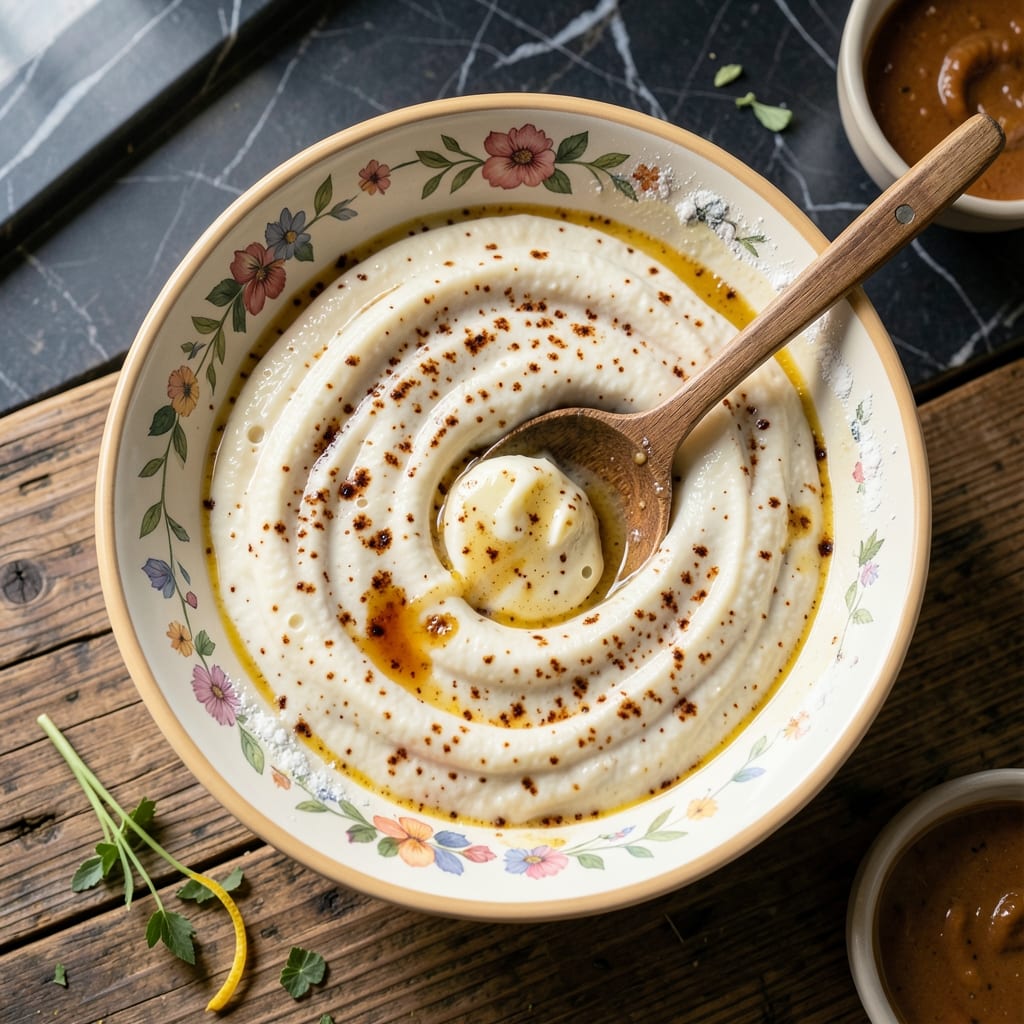
This traditional Amish friendship bread process transforms a simple starter into a beloved sweet loaf through a 10-day fermentation journey. I first encountered this recipe while helping Nana Mae in her Peachtree Street diner, where community recipes like this were cherished.
The magic begins with a 10-day starter that develops complex flavors through daily care. Each step builds on the last, creating a base that yields tender, moist bread with a delicate cinnamon-sugar crust.
What emerges from the oven is a fragrant loaf with a crackly top and soft interior, perfect for sharing. The process rewards patience with a treat that tastes like tradition itself.
David and I test every variation to ensure foolproof results, from mixing to baking. This recipe preserves a piece of culinary heritage with every slice.
Ingredients for Printable 10 Day Amish Recipe Amish Friendship Bread Instructions
Traditional ingredients for a timeless Amish starter bread with cinnamon-sugar swirls.
| Ingredient | Amount | Notes |
|---|---|---|
| All-Purpose Flour 🌾 | 2 cups | For the starter |
| Granulated Sugar 🍚 | 1 cup | Divided for starter and bread |
| Active Dry Yeast 🍞 | 2 ¼ tsp | One packet, for activation |
| Warm Water 💧 | 1 cup | 110°F for yeast activation |
| Milk 🥛 | 1 cup | Warm, for dough |
| Unsalted Butter 🧈 | ½ cup | Melted and cooled |
| Large Eggs 🥚 | 3 whole | Room temperature |
| Vanilla Extract 🌿 | 2 tsp | Pure extract preferred |
| Ground Cinnamon 🌶️ | 2 tsp | For cinnamon-sugar topping |
| Baking Soda 🧂 | 1 tsp | For leavening |
| Baking Powder 🧂 | 2 tsp | For rise |
| Salt 🧂 | ½ tsp | Fine table salt |
| Brown Sugar 🍚 | ½ cup | For cinnamon-sugar topping |
| Pecans 🥜 | ½ cup | Chopped, optional add-in |
| Raisins 🍇 | ½ cup | Optional add-in |
The starter requires all-purpose flour and granulated sugar—basic pantry staples. Active dry yeast is essential for fermentation; I recommend Fleischmann’s or Red Star for consistent results. Warm water at exactly 110°F activates the yeast without killing it. For the bread itself, whole milk yields a richer loaf than water, and real butter adds depth of flavor that margarine cannot match.
No yeast on hand? Instant yeast works at the same ratio, but don’t substitute baking powder—it’s a completely different leavening agent. Brown sugar can replace granulated in the starter, but the flavor profile will shift slightly. For a nut-free version, omit pecans or swap in chopped walnuts. Raisins can be replaced with dried cranberries for a tart twist.
Store the starter at room temperature during the 10-day process, stirring daily. Once baked, the bread stays fresh wrapped in foil for 3 days or frozen for 3 months. The cinnamon-sugar topping is best applied just before baking for a crackly finish.
Why You’ll Love This Recipe
- Minimal Daily Effort: I spend just five minutes a day feeding the starter with flour, sugar, and milk—no fancy techniques.
- Sweet, Tangy Magic: The yeast and sugar ferment into this rich, slightly tangy flavor that’s unlike any other bread I’ve baked.
- Shares the Love: I love gifting loaves to neighbors or bringing one to potlucks—everyone asks for the recipe.
- Budget-Friendly Bake: A bag of flour and a few pantry staples make multiple loaves, and honestly, it’s cheaper than store-bought.
Step-by-Step Instructions for Amish Friendship Bread
This traditional process requires patience but delivers rich, sweet bread worth the wait.
Step 1: Create the Yeast Starter
In a large non-metallic bowl, combine the 2 cups All-Purpose Flour, 1 cup Granulated Sugar, and 2.25 tsp Active Dry Yeast. Gradually whisk in the 1 cup Warm Water until smooth. The water should be 110°F—hot enough to activate the yeast but not so hot it kills it.
Cover loosely with a clean kitchen towel and let stand at room temperature for 24 hours. You’ll notice the mixture begins to bubble and ferment, developing that characteristic tangy aroma. This initial fermentation is crucial for building the starter’s flavor and activity.
Step 2: Feed the Starter Daily
For the next 9 days, stir the starter with a wooden spoon each day. On days 2 through 5, simply stir and recover. On days 6 through 9, add 1 cup Milk, 1 cup Granulated Sugar, and 1 cup All-Purpose Flour to the starter and stir until fully incorporated.
The mixture will rise significantly each day, developing more bubbles and a stronger sour scent. This daily feeding maintains the yeast’s activity and builds the complex flavors that make this bread special. Always use non-metallic utensils to avoid reacting with the acidic starter.
Step 3: Prepare the Bread Batter
On day 10, remove 1 cup of starter to use in your bread (reserve the rest to share or start another batch). In a large bowl, whisk together the 1 cup starter, 0.5 cup Unsalted Butter (melted and cooled), 3 whole Large Eggs, and 2 tsp Vanilla Extract until smooth.
In a separate bowl, combine the remaining 1 cup All-Purpose Flour, 1 tsp Baking Soda, 2 tsp Baking Powder, and 0.5 tsp Salt. Gradually add the dry ingredients to the wet mixture, stirring just until combined. Fold in the 0.5 cup Pecans and 0.5 cup Raisins if using.
Step 4: Bake to Golden Perfection
Pour the batter into two greased 9×5-inch loaf pans. In a small bowl, mix the 0.5 cup Brown Sugar and 2 tsp Ground Cinnamon for the topping. Sprinkle this mixture evenly over the batter in each pan, using your fingers to gently swirl it into the surface for a marbled effect.
Bake at 325°F for 50-60 minutes or until a toothpick inserted in the center comes out clean. The bread is done when the top is deep golden brown and springs back when lightly pressed. Allow the loaves to cool in the pans for 10 minutes before transferring to a wire rack.
Pro Tips For Making Printable 10 Day Amish Recipe Amish Friendship Bread Instructions
- Test Your Yeast: Always proof your active dry yeast in the warm water with a pinch of sugar first—if it doesn’t bubble within 5 minutes, your bread won’t rise and you’ll waste 10 days of starter.
- Use Room-Temp Milk: Cold milk can shock the yeast and slow fermentation. I learned this the hard way after my first loaf came out dense as a brick.
- Skip Metal Bowls: Metal can react with the acidic starter. Stick to glass or plastic for mixing and rising to keep flavors clean.
- Measure Flour Right: Scoop your all-purpose flour into the measuring cup, then level it off—packing it in adds too much and throws off the texture every time.
Pro Cooking Tips for This Recipe
Starter Temperature Control
Keep your starter at consistent room temperature (around 70-75°F) during the 10 days. I use my kitchen counter, away from drafts or direct sunlight. David swears by a seedling heat mat under the bowl if your home runs cool. 🌡️
Non-Metallic Tools Only
Always use wooden or plastic spoons and glass or ceramic bowls. Metal can react with the acidic starter, affecting both flavor and fermentation. I keep a dedicated wooden spoon just for this recipe in my Austin kitchen.
Daily Stirring Technique
Stir thoroughly each day, scraping the sides and bottom of the bowl. This incorporates oxygen and prevents a crust from forming on top. On days 6-9, stir the new ingredients in completely before covering. The mixture should look smooth and bubbly.
Baking Pan Prep
Grease your 9×5-inch loaf pans with butter or use parchment paper for easy removal. I learned from Nana Mae that a light dusting of flour after greasing creates the perfect non-stick surface. The cinnamon-sugar swirl needs room to spread, so don’t overfill pans.
Doneness Testing
Check for doneness at the 50-minute mark with a toothpick. If it comes out with wet batter, bake another 5-10 minutes. The internal temperature should reach 200-205°F for perfect moisture. A light tap on the top should sound hollow.
Let the loaves cool completely before slicing—this prevents crumbling. I test every batch on David first; he’s my official taste-tester. 💛
Nutrition Facts
Frequently Asked Questions
What if my starter smells sour?
That’s completely normal and a good sign! The fermentation process naturally creates a tangy aroma as the yeast activates. Just keep stirring daily and feeding as directed.
Can I skip days in the process?
No, the 10-day cycle is essential for developing the starter’s flavor and texture. Skipping days can weaken the fermentation, leading to dense or flat bread.
How do I know when the bread is done?
Use a toothpick test: insert it into the center, and if it comes out clean, it’s ready. The loaf should reach an internal temp of 200-205°F and have a golden-brown top.
Can I use whole wheat flour?
Yes, but replace only half the all-purpose flour with whole wheat for best texture. The bread will be denser but still delicious with a nuttier flavor.

- Protein Pudding Recipe With Sugar Free Pudding: High-Protein Creamy Indulgence - November 3, 2026
- Progresso Recipe Starters Creamy Parmesan Basil Cooking Sauce: Rich Herb-Infused Base for Pasta and More - November 3, 2026
- Pudding Recipe With Egg Yolks: Silky Smooth Custard in Minutes - November 3, 2026