
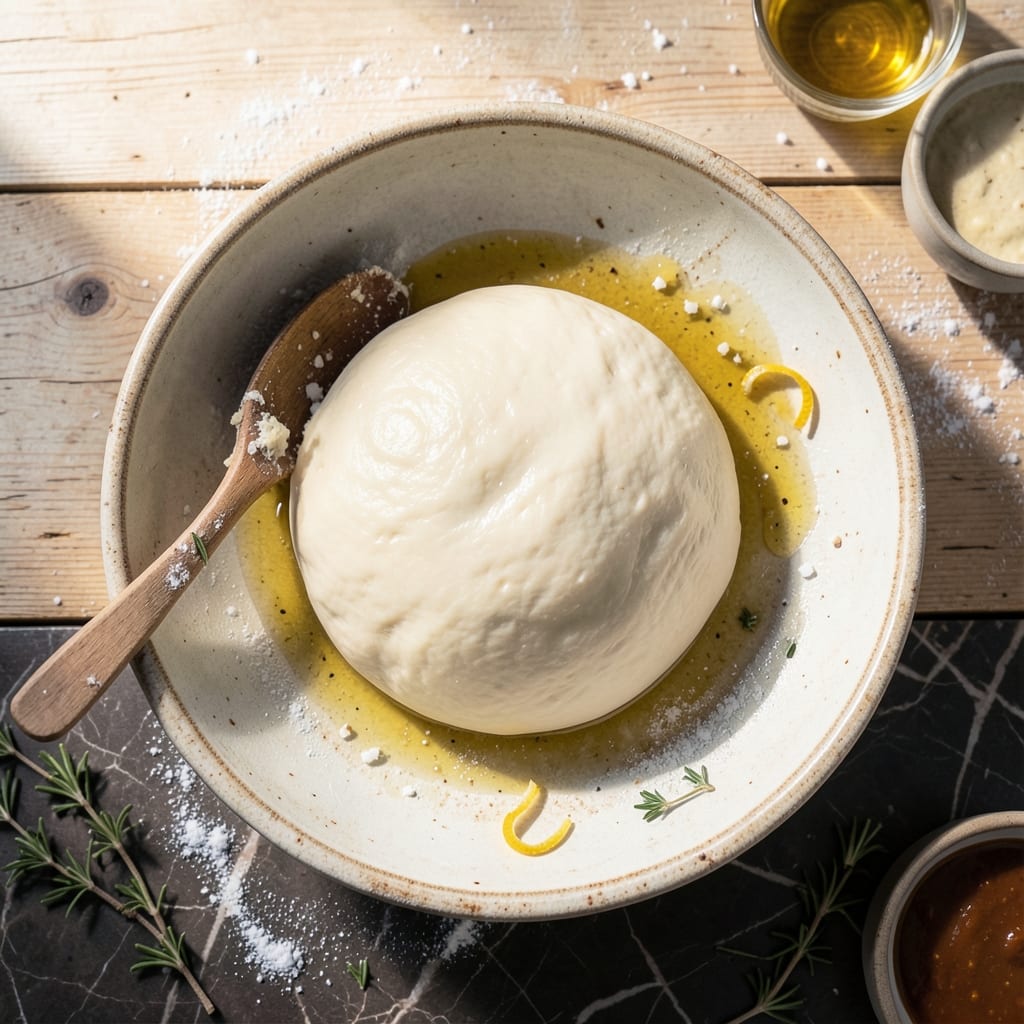
This Puerto Rican empanada dough delivers crispy, golden shells that shatter at the first bite. The secret lies in a precise ratio of flour, water, and oil, creating a dough that fries to perfection while holding its shape.
I developed this recipe to capture authentic island flavors, with a texture that stays flaky yet sturdy enough for generous fillings. The dough rests just long enough to relax the gluten without becoming tough.
When fried at the right temperature, these turn out light and airy inside with a satisfying crunch outside. The subtle saltiness complements both sweet and savory fillings beautifully.
No special equipment needed—just a rolling pin and hot oil. This foundation elevates any empanada to restaurant quality.
Ingredients for Puerto Rican Empanada Dough Recipe for Frying
Simple ingredients yield restaurant-quality empanada shells with authentic island flair.
| Ingredient | Amount | Notes |
|---|---|---|
| All-Purpose Flour 🌾 | 3 cups | Plus extra for dusting |
| Warm Water 💧 | ¾ cup | About 110°F for activation |
| Vegetable Oil 🫒 | ¼ cup | For dough plus extra for frying |
| Salt 🧂 | 1 tsp | Fine sea salt preferred |
| Sugar 🍚 | 1 tsp | Balances the saltiness |
| Baking Powder 🧂 | 1 tsp | For a lighter texture |
| Cornstarch 🌽 | 2 tbsp | Adds extra crispiness |
| White Vinegar 🍶 | 1 tbsp | Tenderizes the dough |
| Lard 🧈 | 2 tbsp | Traditional for authenticity |
| Egg 🥚 | 1 whole | Optional for binding |
The flour is the foundation—King Arthur or Gold Medal give consistent results. Use unbleached if possible for a slightly nuttier flavor. The lard is traditional for that authentic Puerto Rican texture (find it at Latin markets or the baking aisle). If you’re avoiding pork, vegetable shortening works but the flavor profile changes slightly.
No lard? Cold butter or coconut oil can substitute, but the texture won’t be identical. The vinegar might seem odd but it’s essential for tenderness—don’t skip it. For extra crispiness, swap 1 tbsp cornstarch for 1 tbsp flour. The water temperature matters: too hot kills the yeast (if using), too cold makes the dough tough.
The dough rests best covered with a damp towel at room temp for 30-45 minutes. Wrap tightly in plastic and it’ll keep in the fridge for 2 days, or freeze for 1 month. Bring to room temp before rolling for easiest handling.
Why You’ll Love This Recipe
- No-Fuss Mixing: I just dump the flour, warm water, oil, salt and sugar in a bowl—no fancy tools, no waiting for butter to soften.
- Crispy Golden Bite: The oil in the dough fries up so the shells turn flaky and golden, with that slight sweetness from the sugar.
- Party or Freezer: I fry a big batch for game day, then freeze the leftovers—they reheat in minutes for a snack any time.
- Pantry Staples: Between us, I always have these five ingredients on hand, so empanadas are a last-minute dinner save.
Step-by-Step Instructions for Puerto Rican Empanada Dough for Frying
This method delivers crispy, golden shells that hold up perfectly to frying and filling.
Step 1: Mix Dry Ingredients for Structure
In a large mixing bowl, whisk together the 3 cups All-Purpose Flour, 1 tsp Salt, 1 tsp Sugar, 1 tsp Baking Powder, and 2 tbsp Cornstarch until fully combined. The cornstarch is key here—it creates that ultra-crispy texture that makes these empanadas special.
I always sift the baking powder to ensure it distributes evenly and prevents any bitter pockets in the finished dough. The mixture should look uniform and slightly off-white from the cornstarch. This dry base gives your dough the structure it needs to hold fillings without tearing.
Step 2: Combine Wet Ingredients for Tenderness
In a separate bowl, whisk together the 0.75 cup Warm Water, 0.25 cup Vegetable Oil, 1 tbsp White Vinegar, 2 tbsp Lard, and 1 whole Egg until fully emulsified. The vinegar tenderizes the dough, while the lard adds that authentic richness.
The water should be warm to the touch (about 110°F)—this helps activate the baking powder for a lighter texture. The mixture will look slightly cloudy from the lard, but that’s normal. Whisk vigorously for 30 seconds to ensure everything is well incorporated before combining with the dry ingredients.
Step 3: Form and Knead the Dough
Pour the wet mixture into the dry ingredients and stir with a wooden spoon until a shaggy dough forms. It will be slightly sticky at this stage, but that’s exactly what you want. Turn the dough out onto a lightly floured surface and knead for 5-7 minutes until smooth and elastic.
If the dough sticks to your hands, dust with a bit more flour, but avoid adding too much—excess flour can make the empanadas tough. You’ll know it’s ready when it springs back slightly when pressed with your finger. Wrap the dough in plastic and let it rest at room temperature for 30 minutes to relax the gluten.
Step 4: Roll and Cut for Frying
Divide the rested dough into 4 equal portions (this recipe makes about 12 empanadas, 3 per serving). Roll each portion into a log, then cut into 3 equal pieces. Flatten each piece into a ¼-inch thick circle, about 5 inches in diameter, on a lightly floured surface.
The dough should be thin enough to fry quickly but thick enough to hold fillings without tearing. If the edges crack while rolling, let the dough rest for another 5 minutes before trying again. This step ensures even cooking and that signature crispy, golden finish when fried.
Step 5: Fry to Golden Perfection
Heat 2 inches of vegetable oil in a deep pot to 350-375°F. Fry the empanadas in batches for 3-4 minutes per side until they’re deep golden brown and puffed slightly. The cornstarch in the dough will give them an extra-crispy exterior that holds up to the filling.
Use a slotted spoon to transfer them to a paper towel-lined plate to drain. They should be crispy on the outside and tender on the inside, with no greasy aftertaste. Let them cool slightly before filling to prevent the shell from becoming soggy. Serve warm for the best texture and flavor.
Pro Tips For Making Puerto Rican Empanada Dough Recipe For Frying
- Rest the Dough: After kneading, let the dough sit covered for at least 20 minutes—I learned this the hard way when my first batch cracked while folding because it was too elastic.
- Use Warm Water: The water should feel just warm to the touch, around 110°F; too hot kills the dough’s tenderness, and cold water makes it tough and hard to work with.
- Skip Over-Flouring: Dust your surface lightly, but resist the urge to dump extra flour on the dough while rolling—it’ll turn your empanadas dense instead of flaky.
- Fry at 350°F: Keep the oil steady at 350°F; any lower and they’ll soak up grease, any higher and they’ll brown too fast without cooking through.
Creative Variations of This Dish
Cheese-Stuffed Empanadas
For a melty, gooey variation, add 1 oz of queso fresco or mozzarella to the center of each dough circle before folding. The cheese creates a delicious surprise inside the crispy shell, especially when paired with a savory filling like picadillo. 🔥
Sweet Plantain Twist
Inspired by Puerto Rican pastelitos, swap savory fillings for sweet ones. Use ½ cup mashed ripe plantains mixed with 1 tbsp brown sugar and ½ tsp cinnamon. Fry as usual, then dust with powdered sugar for a dessert-style treat.
Yuca-Flour Version
For a gluten-free option, replace 1 cup of all-purpose flour with yuca flour. The texture will be slightly denser but still crispy. Add 1 extra tbsp of lard to compensate for the lack of gluten. This mimics traditional casabe flavors.
Spiced Dough
Add 1 tsp of sofrito base or ½ tsp of sazón seasoning to the wet ingredients for an extra layer of island flavor. The subtle spices infuse the dough without overpowering the filling. I love this with beef or chicken fillings.
Mini Empanadas
Roll the dough slightly thinner (⅛ inch) and cut into 3-inch circles for bite-sized versions. Reduce frying time to 2-3 minutes per side. These are perfect for parties or as appetizers.
Baked Alternative
Brush the empanadas with egg wash and bake at 375°F for 15-20 minutes for a lighter version. They won’t be as crispy as fried, but they’ll still be delicious and flaky. ✨
Nutrition Facts
Frequently Asked Questions
Why does the dough need to rest before frying?
Resting relaxes the gluten, making the dough easier to roll and preventing shrinkage during frying. 30 minutes at room temperature is ideal for best texture.
Can I substitute lard with another fat?
Yes, use cold butter or coconut oil in the same amount. The flavor and texture will differ slightly, but it works well.
What’s the best oil for frying?
Use a neutral oil with a high smoke point like vegetable, canola, or peanut oil. Heat to 350-375°F for crisp, golden results.
How do I prevent empanadas from opening while frying?
Seal edges tightly with a fork or by crimping. Chill filled empanadas for 10 minutes before frying to help them hold shape.

- Pudding Recipe With Egg Yolks: Silky Smooth Custard in Minutes - November 3, 2026
- Pudding Pops Recipe Cook and Serve: Silky Frozen Treats Without the Machine - November 3, 2026
- Protein Ice Cream Recipe Blender Xanthan Gum: Ultra Creamy Texture Without the Guilt - November 3, 2026