
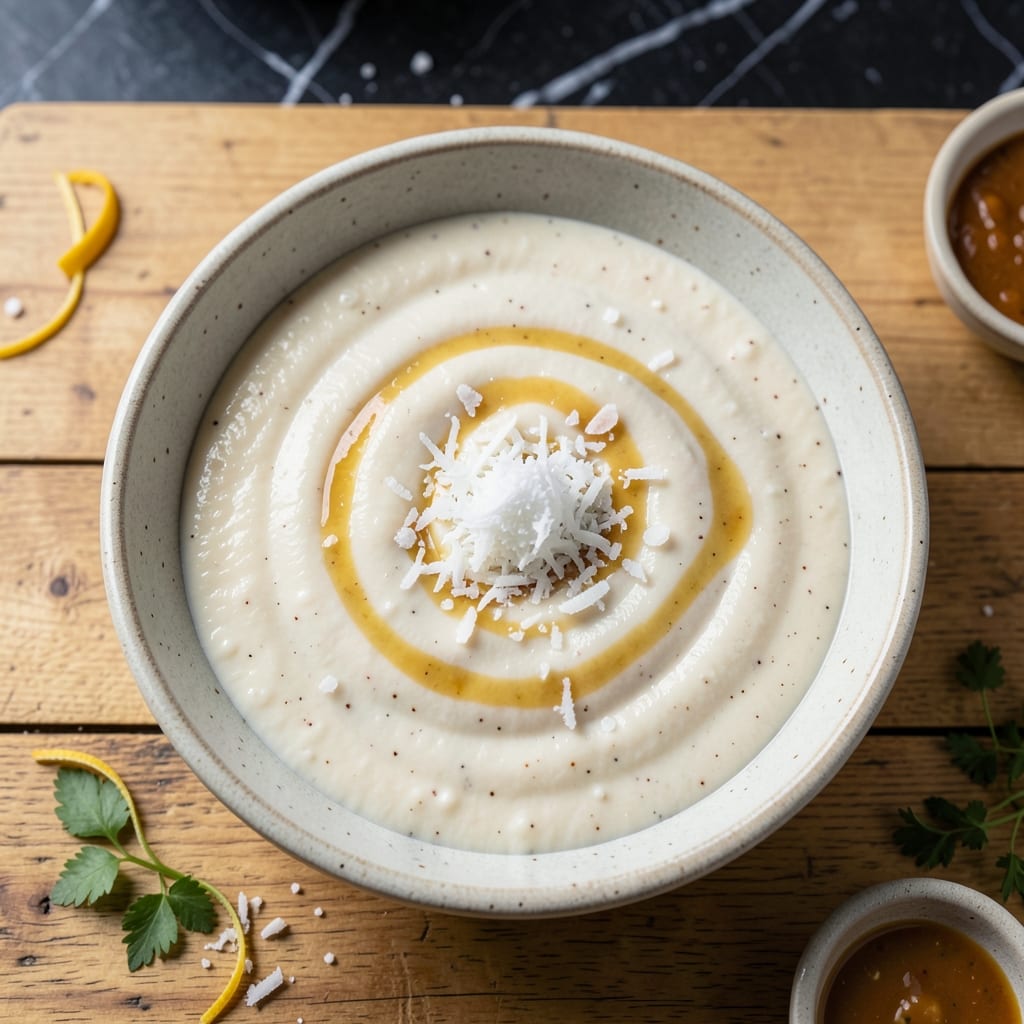
There’s something special about pulling apart warm, soft pullattu straight from the pan. This traditional South Indian dish transforms simple rice flour into a pillowy, slightly sweet flatbread that pairs perfectly with any meal.
The key lies in the fermentation process, which gives pullattu its signature light and airy texture. I’ve refined this method to ensure consistent results every time, even for those new to South Indian cooking.
What you’ll get is a fluffy, golden-brown bread with a delicate crumb and a mild sweetness that makes it irresistible. It’s versatile enough for breakfast, lunch, or dinner, and it stays soft for hours.
With just a few ingredients and a little patience, you’ll master this beloved recipe. Here’s how to make it right.
Ingredients for Pullattu Recipe with Rice Flour
Simple pantry ingredients transform into soft, fluffy South Indian flatbread with a delicate sweetness.
| Ingredient | Amount | Notes |
|---|---|---|
| Rice Flour 🌾 | 2 cups | Fine, white rice flour preferred |
| Water 💧 | 1 ½ cups | Warm, for fermentation |
| Salt 🧂 | ½ tsp | Fine sea salt preferred |
| Sugar 🍚 | 2 tsp | Granulated, for slight sweetness |
| Coconut Milk 🥥 | ¼ cup | Full-fat for richness |
| Grated Coconut 🥥 | ¼ cup | Fresh or frozen, unsweetened |
| Cumin Seeds 🌿 | ½ tsp | Lightly toasted for aroma |
| Shallots 🧅 | 2 whole | Finely minced for flavor |
| Green Chilies 🌶️ | 2 whole | Finely chopped, adjust to taste |
| Fresh Ginger 🌿 | 1 whole | 1-inch piece, grated |
| Curry Leaves 🍃 | 10 pieces | Fresh, for authentic flavor |
| Vegetable Oil 🫒 | 2 tbsp | For cooking the pullattu |
Rice flour is the foundation here. Bob’s Red Mill or Asian grocery store brands are ideal—avoid coarse or brown rice flour as they won’t yield the same texture. Freshly grated coconut (available frozen at Indian markets) adds authentic flavor, but unsweetened desiccated coconut works in a pinch. The fermentation process is critical, so ensure your water is warm but not hot to activate the natural yeasts.
No coconut milk? Cashew cream or almond milk can substitute, but may alter the richness slightly. Out of shallots? Red onion at a 1:1 ratio works fine, though the flavor will be slightly sharper. For heat adjustment, reduce or omit green chilies—the dish should still taste balanced. Curry leaves are traditional but can be skipped if unavailable (though they add a distinct aroma).
Fermented batter keeps in the fridge for 24 hours—ideal for making ahead. Cooked pullattu stays soft for 4-6 hours at room temperature. Store leftovers in an airtight container and reheat on a skillet to restore softness. Freezing isn’t recommended as it affects the texture.
Why You’ll Love This Recipe
- One Bowl Wonder: I just mix rice flour, water, and a pinch of salt—no fancy steps, no hassle.
- Creamy Coconut Bliss: The coconut milk adds this rich, velvety sweetness that pairs perfectly with the soft, chewy texture.
- Breakfast or Snack: Honestly, I make it for lazy mornings or as a quick afternoon pick-me-up.
- Pennywise Favorite: Rice flour is so affordable, and a little goes a long way—my wallet loves it.
Step-by-Step Instructions for Pullattu With Rice Flour
Master the technique for achieving the perfect soft and fluffy texture in this traditional dish.
Step 1: Prepare the Fermented Batter
In a large mixing bowl, combine the 2 cups Rice Flour with the 0.5 tsp Salt and 2 tsp Sugar. Gradually add the 1.5 cups Water while whisking to prevent lumps from forming. The batter should be smooth and slightly thinner than pancake batter.
Cover the bowl with a clean kitchen towel and let it ferment at room temperature for 4-6 hours. You’ll know it’s ready when small bubbles form on the surface and the mixture has a slightly tangy aroma. This fermentation step is crucial for developing the authentic flavor and airy texture.
Step 2: Temper and Enhance the Batter
After fermentation, stir in the 0.25 cup Coconut Milk and 0.25 cup Grated Coconut. The mixture should now have a rich, creamy consistency. In a separate small pan, heat the 0.5 tsp Cumin Seeds over medium heat for 30-45 seconds until fragrant.
Add the toasted cumin to the batter along with the 2 whole Shallots (finely minced), 2 whole Green Chilies (finely chopped), and the 1 whole Fresh Ginger (grated). Stir thoroughly to distribute the spices evenly. The aromatics should be visible but not clumped together.
Step 3: Incorporate Curry Leaves and Rest
Gently fold in the 10 pieces Curry Leaves, ensuring they’re well-distributed throughout the batter. The leaves will release their citrusy, slightly bitter essence during cooking. Let the batter rest for 15-20 minutes to allow the flavors to meld together.
During this rest period, the rice flour will absorb some of the liquid, resulting in a thicker, more manageable consistency. The batter should now coat the back of a spoon but still pour easily. If it seems too thick, you can add a tablespoon of water, but be cautious not to over-thin it.
Step 4: Cook the Pullattu to Golden Perfection
Heat a non-stick skillet or griddle over medium heat and add ½ tbsp Vegetable Oil, spreading it evenly across the surface. Pour a ladleful of batter onto the center of the pan, using the back of the ladle to gently spread it into a circular shape about ¼-inch thick.
Cook for 2-3 minutes until the edges begin to lift and the surface appears set with small bubbles. Drizzle another ½ tbsp Vegetable Oil around the edges, then carefully flip the pullattu. Cook for an additional 2 minutes until both sides are golden brown with crisp edges. Repeat with the remaining batter, adding oil as needed between batches.
Serve warm, with the grated coconut providing a subtle sweetness that balances the savory cumin and fiery green chilies. The ideal pullattu will be soft and fluffy on the inside with a delicate crispness on the outside.
Pro Tips For Making Pullattu Recipe With Rice Flour
- Heat the Coconut Milk: Warm the coconut milk slightly before mixing—cold milk can make the rice flour clump, and I learned this the hard way after fishing out lumps from three failed batches.
- Rest the Batter: Let the rice flour batter sit for 15-20 minutes after mixing. Sounds weird, but it works: the flour absorbs the liquid evenly, and the pullattu holds together better.
- Skip the Overmixing: Stir just until combined—overworking the batter develops gluten in the rice flour, making the pullattu tough instead of soft and pliable.
- Use Fine Rice Flour: Coarse rice flour gives a gritty texture. After burning three batches with the wrong grind, I finally switched to fine-milled flour, and the difference was night and day.
Health Benefits of This Recipe
Gluten-Free Goodness
Made entirely with rice flour, this dish is naturally gluten-free, perfect for those with sensitivities. The fermentation process actually enhances digestibility by breaking down complex starches. One serving provides about 15% of daily fiber needs without any wheat. 💪
Rich in Healthy Fats
The coconut milk and grated coconut supply medium-chain triglycerides, a type of fat your body uses efficiently for energy. These healthy fats support metabolism and provide sustained energy without spiking blood sugar.
Low Glycemic Impact
Despite its soft texture, the rice flour in this creation has a lower glycemic index than regular bread. The 2 tsp sugar adds minimal sweetness while keeping blood sugar response moderate. Pair it with protein for even better balance.
Digestive Benefits
Fermented foods like this one contain natural probiotics that support gut health. The cumin seeds and ginger also aid digestion, reducing bloating and discomfort after meals. I notice better digestion on days I include fermented foods.
Vegan Protein Source
While not high in protein, this dish provides 3-4 grams per serving from plant-based ingredients. The coconut adds amino acids that complement the rice flour’s nutritional profile. It’s a great meat-free option for any meal.
Essential Minerals
You’ll get a healthy dose of iron and magnesium from the rice flour and coconut. These minerals support energy production and muscle function. The curry leaves add a boost of calcium and antioxidants. ✨
Nutrition Facts
Frequently Asked Questions
What if my batter doesn’t ferment?
Try moving it to a warmer spot (like near a sunny window) or add a pinch of sugar to jumpstart fermentation. The ideal temperature is 80-90°F. If it still doesn’t bubble after 8 hours, your rice flour may be old.
Can I skip the fermentation step?
No, fermentation is essential for authentic texture and flavor. Without it, your pullattu will be dense and lack the characteristic tang. Even 2 hours of fermentation makes a noticeable difference.
How do I get even thickness?
Use the back of your ladle to gently spread the batter in circular motions. Aim for ¼-inch thickness for even cooking. If the batter is too thick to spread, add a tablespoon of water.
Why did my pullattu turn out hard?
Overcooking or insufficient oil are common culprits. Cook on medium heat only and use enough oil to create crisp edges. The inside should stay soft and fluffy.

- Pudding Recipe With Egg Yolks: Silky Smooth Custard in Minutes - November 3, 2026
- Pudding Pops Recipe Cook and Serve: Silky Frozen Treats Without the Machine - November 3, 2026
- Protein Ice Cream Recipe Blender Xanthan Gum: Ultra Creamy Texture Without the Guilt - November 3, 2026