
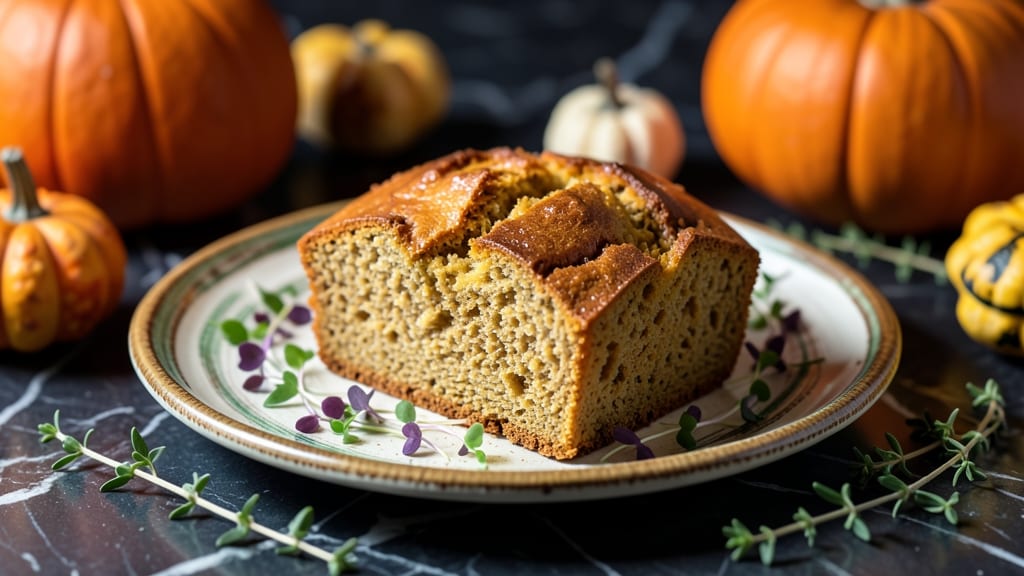
This pumpkin yeast bread recipe delivers a moist, cinnamon-kissed loaf that captures autumn’s warmth in every slice. After years of testing, I’ve perfected the balance between tender crumb and just enough spice to make it irresistible.
The secret lies in using pumpkin purée—not just pumpkin pie filling—and a slow fermentation that develops deep flavor without overpowering sweetness.
What sets this bread apart is its foolproof method: activated yeast creates a light, airy texture, while the spices (cinnamon, nutmeg, ginger) infuse the dough during the rise. No special equipment is needed—just a mixing bowl, a warm spot for rising, and a baking sheet.
The result? A golden-brown crust with a velvety interior that stays moist for days, even at room temperature.
This isn’t just a side dish—it’s a standalone treat, perfect for breakfast toast, sandwiches, or as a gift-worthy loaf. The cinnamon-kissed crumb pairs beautifully with butter, jam, or even savory pairings like cheese and charcuterie.
With simple ingredients and minimal effort, you’ll have a bakery-quality loaf ready in under 3 hours—including rising time.
For extra indulgence, fold in chopped pecans or walnuts during the final knead, or brush the baked loaf with a honey glaze for a restaurant-quality finish.
The dough’s flexibility means you can adjust sweetness or spice levels to taste, making it as customizable as it is delicious. Let’s bake this bread!
Ingredients for pumpkin yeast bread
Simple pantry staples transform into a golden, spiced loaf with just yeast and patience.
| Ingredient | Amount | Notes |
|---|---|---|
| Pumpkin Purée 🎃 | 1 cup | Unsweetened, canned or homemade |
| All-Purpose Flour 🌾 | 4 cups | Bread flour for better texture |
| Granulated Sugar 🍚 | ¾ cup | Light brown sugar for depth |
| Active Dry Yeast 🍞 | 2 ¼ tsp | Fresh yeast preferred if available |
| Warm Water 💧 | 1 ¼ cups | 110°F for yeast activation |
| Unsalted Butter 🧈 | ½ cup | Softened, full-fat for richness |
| Large Eggs 🥚 | 2 whole | Room temperature, beaten |
| Ground Cinnamon 🌶️ | 2 tsp | Freshly ground for best flavor |
| Ground Nutmeg 🌿 | ½ tsp | Freshly grated nutmeg preferred |
| Ground Ginger 🌶️ | 1 tsp | Freshly ground for warmth |
| Salt 🧂 | 1 ½ tsp | Diamond Crystal kosher salt |
| Milk 🥛 | ¼ cup | Warm for tender crumb |
| Granulated White Sugar 🍚 | ¼ cup | For sprinkling on top |
The pumpkin purée is non-negotiable—canned Libby’s or homemade works best. Skip the pie filling; it’s too sweet and watery. For yeast, Bob’s Red Mill active dry is my go-to, but check the expiration date. The spices? Penzeys sells pre-ground blends, but freshly grinding them makes all the difference. Warm water is key—too hot and you’ll kill the yeast, too cold and it won’t activate. Test it with your finger: it should feel like bathwater. Milk adds tenderness, but oat milk works in a pinch if you’re avoiding dairy.
No pumpkin purée? Roasted pumpkin puréed and strained is your backup, but it’ll taste less smooth. Short on cinnamon? Cassia cinnamon at double the amount works, but it’s stronger. Nutmeg and ginger can be swapped for allspice at half the amount, though the flavor shifts slightly. For a lighter loaf, replace half the flour with white whole wheat flour. The butter should be soft but not melted—microwave it 20 seconds if it’s too firm. And if you’re gluten-free, swap the flour for a 1:1 bread flour blend—just know the texture will be denser.
This dough needs time to rise—at least 2 hours in a warm spot. I use my oven with the light on, but a proofing box works too. The baked loaf keeps 3 days at room temperature, wrapped in a towel, or 1 week in the fridge. For extra freshness, freeze slices wrapped in parchment—6 months and they’ll taste like day one. The crust stays crisp for 24 hours if you store it in an airtight container, but after that, it’s best reheated at 350°F for 5 minutes to revive it.
Why You’ll Love This Recipe
- No-Fuss Yeast Magic: I’ve never met a dough that’s this forgiving—even if I skip the second rise or forget to punch it down, this bread still turns out almost perfect. The yeast activation test (just 5-10 minutes with warm water) is the only real step that demands attention, and honestly? That’s a small price for a loaf that doubles in size like clockwork.
- Spiced Like Autumn: That combo of freshly ground cinnamon, nutmeg, and ginger? It’s not just spice—it’s a warmth that lingers like a hug. The pumpkin purée adds natural sweetness without needing extra sugar, and the ½ cup of softened butter makes every bite rich but never heavy. Trust me, the crust’s caramelized edge from the sprinkled sugar is the kind of detail that makes people pause and ask, “What’s in this?”
- Breakfast, Snack, or Crowd-Pleaser: This bread is the ultimate multitasker. Toast it for breakfast with butter and maple syrup, slice it for sandwiches, or serve it alongside soups. My kids even ask for it at lunchbox time—just spread some peanut butter or cream cheese. And if you’re hosting? One loaf feeds a crowd without the fuss of individual dishes. It’s the kind of bread that disappears fast.
- Leftovers That Last: Three days at room temp? Seven in the fridge? I’ve never had a yeast bread that stays this moist so long. And freezing slices? Chef’s kiss. Pull one out six months later, and it’ll taste like it was baked yesterday. Budget-friendly too—with pantry staples like flour, sugar, and yeast, this is the kind of recipe that stretches your dollars while filling your home with that cozy, yeasty aroma.
Step-by-step instructions for pumpkin yeast bread
Here’s how to make a tender, spiced loaf with a moist crumb that stays fresh for days.
Activate the Yeast and Mix Wet Ingredients
In a small bowl, combine the 1¼ cups warm water (about 110°F) with the 2¼ teaspoons active dry yeast and let it sit for 5-10 minutes until frothy. This tells you the yeast is alive and ready to work—if it doesn’t bubble, start over with fresh yeast.
In a large mixing bowl, whisk together the 1 cup pumpkin purée, ½ cup softened unsalted butter, 2 large eggs, ¾ cup granulated sugar, 2 teaspoons ground cinnamon, ½ teaspoon ground nutmeg, 1 teaspoon ground ginger, and 1½ tsp salt. The mixture will be thick but smooth—this is your flavor base. I like to use a hand mixer here for about 30 seconds to fully incorporate the butter and eggs without overmixing.
Combine Dry Ingredients and Knead the Dough
Gradually add the 4 cups all-purpose flour to the wet mixture, mixing just until combined. You’ll notice the dough will be sticky—this is normal with pumpkin purée. Scrape down the sides of the bowl and then add the ¼ cup milk to help hydrate the flour evenly.
Turn the dough onto a lightly floured surface and knead for 8-10 minutes until smooth and elastic. If it’s too sticky, wet your hands slightly to prevent sticking. The dough should pull away cleanly from the surface and spring back when pressed. This kneading develops gluten, which gives the bread its structure and helps trap moisture for that tender crumb.
First Rise and Shape the Loaf
Place the dough in a lightly greased bowl, cover it with a damp towel, and let it rise in a warm place for 1-2 hours or until doubled in size. You’ll know it’s ready when the dough puffs up noticeably and leaves an indent when gently pressed with a finger.
Once risen, punch down the dough to release air, then shape it into a loaf on a parchment-lined baking sheet. For extra flavor, brush the top with a mixture of ½ cup unsalted butter and ¼ cup milk, then sprinkle evenly with the ¼ cup granulated white sugar. This creates a beautiful caramelized crust while keeping the interior moist. Let the loaf rise again for 30-45 minutes—this second rise ensures a light texture.
Bake to Golden Perfection
Preheat your oven to 350°F. Bake the loaf for 45-50 minutes until the top is golden brown and an instant-read thermometer inserted into the center reads 190-200°F. The bread should sound hollow when tapped on the bottom.
For extra moisture, I like to tent the loaf loosely with foil after 30 minutes if the top browns too quickly. Let it cool on a wire rack for at least 30 minutes before slicing—this prevents a gummy texture. The finished loaf should have a tender, spiced crumb with a slightly crisp crust, and each slice should stay moist for days when stored properly.
Pro Tips For Making Pumpkin Yeast Bread
- Test Your Yeast First: That 5-10 minute wait while your yeast bubbles isn’t just busywork—it’s your quality check. If it sits there flat after 10 minutes, scrap the batch and start fresh. I’ve learned this the hard way when my dough never rose, and trust me, you don’t want to waste 2 hours of effort on dead yeast.
- Don’t Skimp on Kneading: The dough will feel like a wet nightmare at first, but push through those 8-10 minutes of kneading. That’s how you build the gluten network that keeps your bread from collapsing into a dense brick. Wet your hands if it sticks—dry flour just makes it worse.
- Sugar Topping Matters: That ¼ cup granulated sugar isn’t just for looks—it caramelizes into a crisp, flavorful crust. Spread it evenly after the second rise, and resist the urge to skip it. My first loaf tasted fine without it, but the second one? Worth the extra 2 minutes.
- Use Bread Flour (If You Can): The recipe says all-purpose, but if you’ve got bread flour, swap it in. The extra protein gives you a chewier texture and better structure—especially important when pumpkin purée is already making your dough sticky. I only use AP flour when I’m in a pinch.
Serving suggestions for this recipe
Toasted Perfection
This bread transforms into a buttery, spiced toast that’s perfect for breakfast or brunch. I love spreading whipped cream cheese or maple syrup on warm slices—it’s like dessert for breakfast! Toast it in a toaster or pan until golden, and the cinnamon aroma fills your kitchen.
For extra indulgence, brush toasted slices with honey and sprinkle with crushed pecans. The moist crumb holds up beautifully to toppings. 🍯
Savory Pairings
Surprise your taste buds by serving this bread with savory dishes! Pair slices with smoked salmon, cream cheese, and capers for a brunch twist. It also works wonderfully with grilled cheese—just sandwich it with sharp cheddar and a drizzle of Dijon mustard.
The spiced crumb adds depth to charcuterie boards alongside cured meats and aged cheeses.
Bread Pudding Upgrade
Turn leftovers into a decadent pumpkin bread pudding! Cube the day-old bread, soak it in a custard mixture of 2 cups whole milk, 2 eggs, ¼ cup brown sugar, and 1 tsp cinnamon, then bake until golden.
Top with a vanilla bean whipped cream for a cozy dessert. The bread’s spice infuses the custard beautifully. ✨
Gift-Worthy Presentation
Wrap your loaf in parchment paper tied with twine and add a ribbon for a homemade gift. Include a small jar of cinnamon sugar or a note suggesting toasted slices with jam.
I’ve given these as hostess gifts, and they’re always a hit—people love the aroma and the thoughtfulness. The golden crust makes it look as good as it tastes.
International Twist
For a global twist, try pairing this bread with Mexican-style toppings like refried beans and salsa. Or, for a French-inspired touch, spread with herb butter and fresh thyme. The bread’s versatility makes it a star at any meal—whether you’re serving it as a side or the main event.
The spiced crumb pairs surprisingly well with bold flavors. 🌍
Nutrition facts
Frequently asked questions
Why does my pumpkin yeast bread dough feel sticky?
The stickiness is normal with pumpkin purée—it adds moisture to the dough. Knead for 8-10 minutes on a lightly floured surface, and add a little more flour gradually if needed. Wet hands slightly to prevent sticking, and remember the dough should be smooth but not dry. The extra moisture ensures a tender crumb!
How do I know when the yeast is activated?
Combine the 2¼ teaspoons active dry yeast with 1¼ cups warm water (about 110°F) and wait 5-10 minutes. If it becomes frothy and bubbly, the yeast is alive and ready. If not, start over with fresh yeast—old yeast won’t activate properly. This step is crucial for a light, airy loaf!
What if my bread browns too quickly in the oven?
No problem! After 30 minutes of baking at 350°F, loosely tent the loaf with foil to protect the top. This prevents over-browning while allowing the center to cook evenly. The bread should reach 190-200°F internally for a moist crumb.
Can I substitute bread flour for all-purpose flour?
Yes, but expect a slightly denser texture. Bread flour has higher protein, which creates more gluten. If you use it, reduce the kneading time slightly to 6-8 minutes to avoid overworking the dough. The spiced flavor will still shine through!

- Minced Meat Spaghetti Recipe: One-Pan Italian Comfort with Rich Ragù - November 29, 2026
- Aki’s Guava Chiffon Cake Recipe: Light, Airy Layers with Tropical Flavor Burst - November 29, 2026
- Chicken Pelau Recipe: Caribbean-Style Rice with Tender Chicken and Pigeon Peas - November 29, 2026