
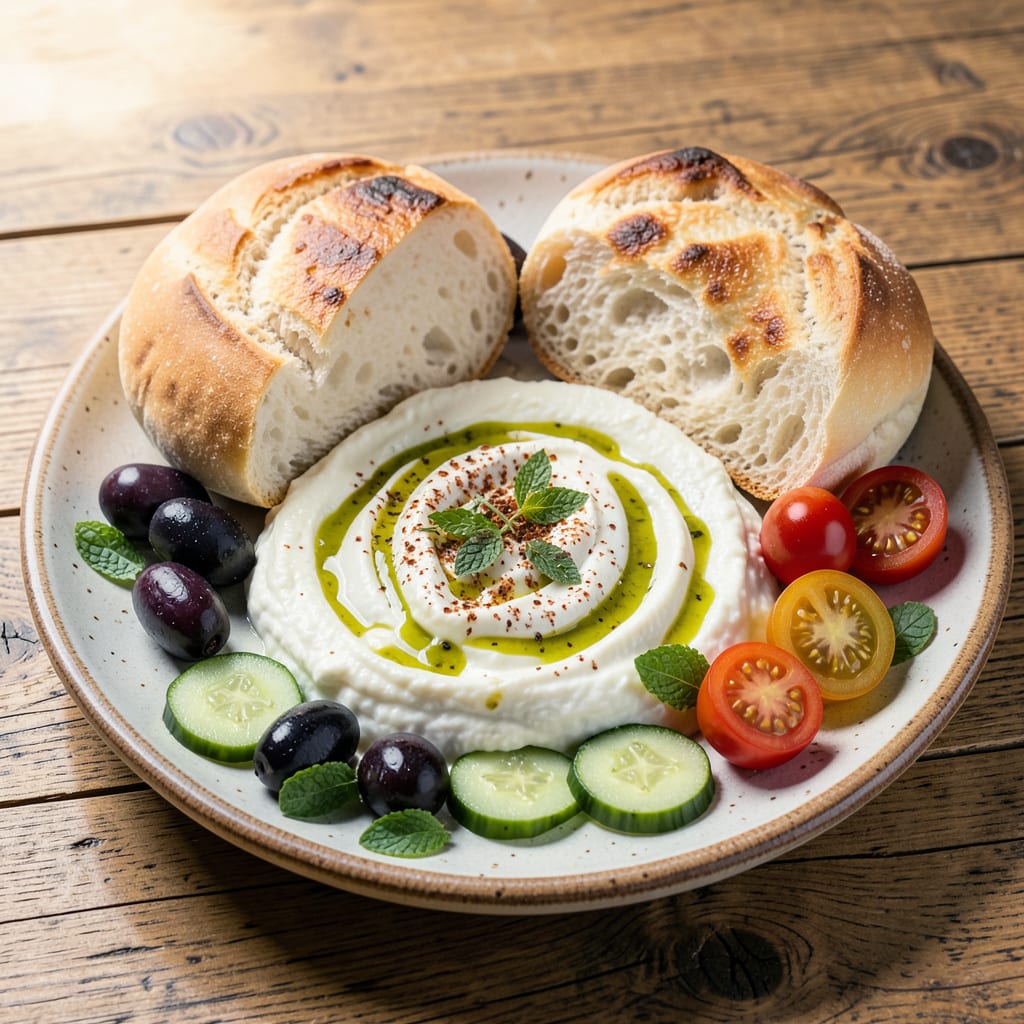
Rama is a rich, creamy Filipino custard made with egg yolks, milk, and sugar. The classic version is baked until golden with a caramelized top, offering a smooth texture and sweet, comforting flavor.
This beloved dessert traces its roots to Spanish influence, blending European custard techniques with local Filipino tastes. 🌟 What sets it apart is the careful balance of ingredients—egg yolks create that signature velvety mouthfeel, while the caramelized sugar layer adds a delightful contrast. I’ve found that using evaporated milk instead of fresh gives it an extra depth of creaminess without overpowering the delicate flavors.
Perfecting this at home requires attention to detail, especially with the baking process. The water bath method is non-negotiable for achieving that silky-smooth consistency, while precise temperature control prevents unsightly cracks on the surface. It’s the kind of recipe that rewards patience—allowing it to cool completely before serving makes all the difference in texture and presentation.
💡 In This Article
- Key Ingredients That Define Authentic Rama Custard
- Step-by-Step Baking Techniques for Perfect Rama
Key Ingredients That Define Authentic Rama Custard
The magic of this custard starts with its foundation: egg yolks provide both richness and structure. Using 8-10 yolks per cup of milk creates that signature velvety texture, as the proteins coagulate during baking to form a tender yet stable gel.
The fat content in yolks (about 30%) gives it that luxurious mouthfeel that sets it apart from leaner custards. 🌟
Milk selection dramatically impacts the final product. Traditional recipes call for evaporated milk (12 oz can) because its reduced water content and slightly caramelized notes from processing enhance the custard’s depth. Some cooks blend it with 1 cup fresh milk for balance, but using all fresh milk can make the texture less dense.
The sugar ratio—typically 3/4 to 1 cup—must be precise to achieve proper caramelization without overpowering the delicate egg flavor.
What most people don’t realize is that the caramelized top isn’t just for looks—it’s a flavor transformer. When sugar reaches 320-350°F during baking, it undergoes the Maillard reaction, creating complex flavors that complement the custard’s creaminess.
This layer also acts as a protective seal, preventing a skin from forming on the custard surface as it cools.
The science behind the texture involves careful protein denaturation. Egg yolks begin to set at 144°F, but the custard isn’t fully cooked until it reaches 170-180°F internally. This gradual heating allows the proteins to unfold and rebond without curdling. The milk’s lactose also contributes by caramelizing slightly, adding subtle sweetness that balances the richness.
For authentic flavor, some Filipino cooks add 1 tsp vanilla extract or 1/2 tsp dayap (local lime) zest to cut through the sweetness. The acidity from citrus helps balance the custard’s richness while brightening the overall flavor profile. This small addition makes a noticeable difference in the final taste.
Pro tip: Using room temperature ingredients ensures even mixing and prevents air bubbles that could disrupt the smooth texture. The difference between a good and great custard often comes down to these small but crucial preparation details. ✨

- BBQ Sausage Recipe Oven: Smoky Depth Without the Grill - September 28, 2026
- BBQ Chicken Bowl Recipe Rice: Smoky Sweetness Over Fluffy Grains - September 28, 2026
- Beef Cutlet Recipe Ideas: Crispy Breaded Patties With Bold Seasonings - September 28, 2026