
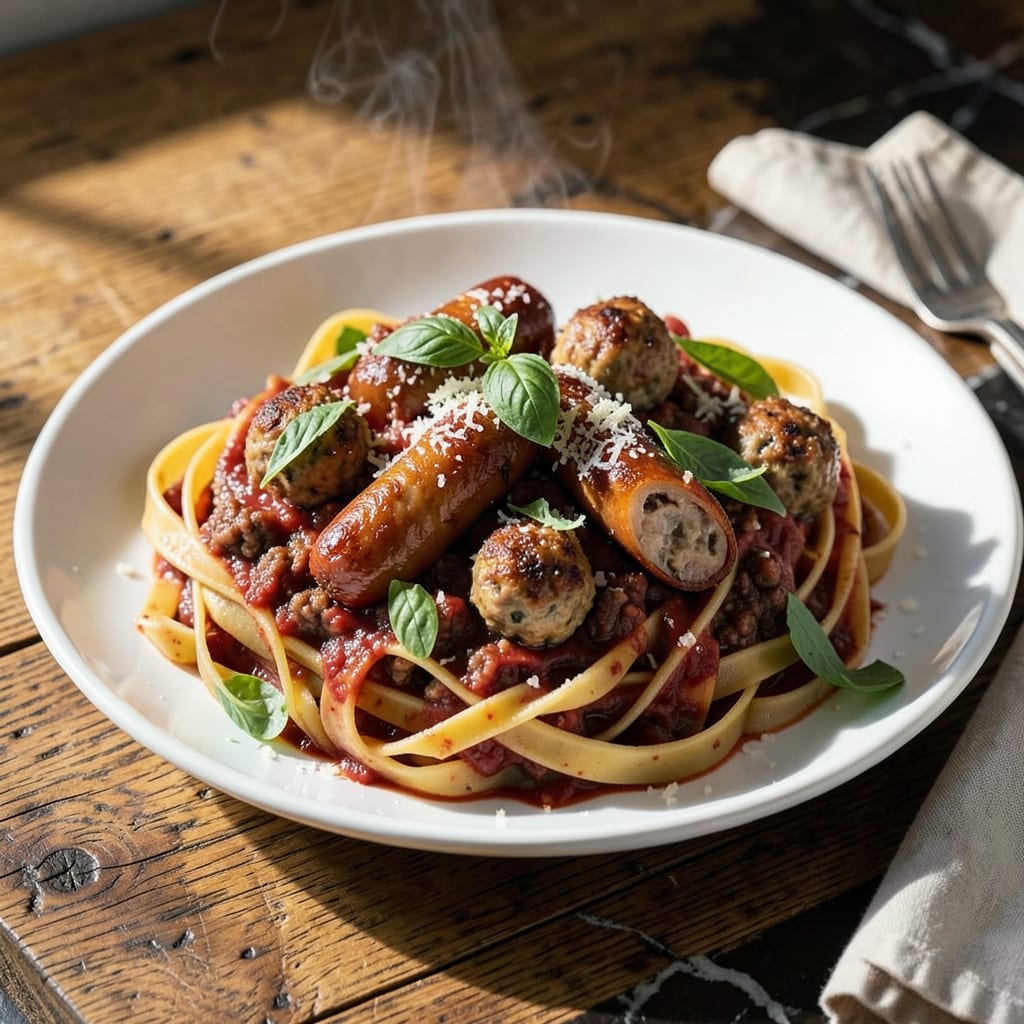
Rao’s signature marinara sauce combines San Marzano tomatoes, olive oil, garlic, fresh basil, and a slow-simmered technique for rich, balanced flavor. The key is minimal ingredients cooked low and slow for depth without bitterness.
This approach transforms simple components into something extraordinary through careful technique. The low-and-slow cooking method breaks down tomato fibers while concentrating natural sweetness, creating a velvety texture that clings perfectly to pasta. What most home cooks overlook is the timing of basil addition—adding it late preserves its aromatic oils, which would otherwise cook off and lose their vibrant character. 🔥
I’ve found the magic lies in the San Marzano tomatoes’ unique mineral content, grown in volcanic soil near Mount Vesuvius. Their lower acidity and thicker flesh mean you need less cooking time to achieve that signature depth. The sauce’s reputation comes from this careful balance: enough richness to satisfy, but with bright herbal notes that keep each bite interesting. ✨
💡 In This Article
- The Secret Techniques Behind Rao’s Signature Sauce
- Step-by-Step Guide to Recreating Rao’s Sauce at Home
The Secret Techniques Behind Rao’s Signature Sauce
The foundation of this sauce starts with San Marzano tomatoes, which contain 2-3 times more soluble solids than standard tomatoes. Grown in mineral-rich volcanic soil, they develop a natural sweetness with 30% less acidity than conventional varieties.
This lower acidity means the sauce requires less sugar to balance flavors, allowing the tomatoes’ natural fruitiness to shine through without becoming cloying. 🌟
What most home cooks miss is the emulsification process that happens during the slow simmer. When you cook olive oil with garlic at 280-300°F for 10-15 minutes before adding tomatoes, the oil’s fatty acids begin breaking down.
These then bind with water molecules from the tomatoes, creating microscopic droplets that give the sauce its signature velvety texture. The process is similar to making mayonnaise, but with tomato solids instead of egg yolks as the emulsifier.
The timing of ingredient additions creates distinct flavor layers. Garlic cooks first until just golden (about 2-3 minutes), developing alliin compounds that mellow into sweet, nutty notes. Fresh basil enters only in the final 5 minutes of cooking because its volatile oils—like linalool and estragole—evaporate at 176°F.
Adding it late preserves these aromatic compounds that provide the sauce’s bright, herbal finish. ⚡
Temperature control during simmering is non-negotiable. The sauce should maintain a gentle bubble at 190-200°F for 45-60 minutes. This range is crucial because it’s hot enough to break down pectin in the tomatoes (creating that perfect clingy consistency) but not so hot that the sugars caramelize and turn bitter.
Professional kitchens use wide, shallow pots to maximize surface area for reduction while preventing scorching.
Here’s what’s actually happening during that long simmer: The tomatoes’ natural glutamates (about 1400-1800mg per 100g) concentrate as water evaporates, creating that deep umami flavor. Meanwhile, the olive oil’s polyphenols—particularly oleocanthal—begin interacting with the tomato compounds, adding a subtle peppery note that balances the sweetness.
This chemical marriage is why the sauce tastes complex despite having so few ingredients. 💫
The final texture comes from proper reduction. Rao’s sauce reduces by about 25-30% in volume, meaning if you start with 28oz of whole tomatoes, you’ll end with roughly 20oz of finished sauce. This concentration is key—it intensifies flavors while creating a consistency that coats pasta evenly without being gluey.
The difference between home versions and the original often comes down to this precise reduction ratio.

- BBQ Sausage Recipe Oven: Smoky Depth Without the Grill - September 28, 2026
- BBQ Chicken Bowl Recipe Rice: Smoky Sweetness Over Fluffy Grains - September 28, 2026
- Beef Cutlet Recipe Ideas: Crispy Breaded Patties With Bold Seasonings - September 28, 2026