
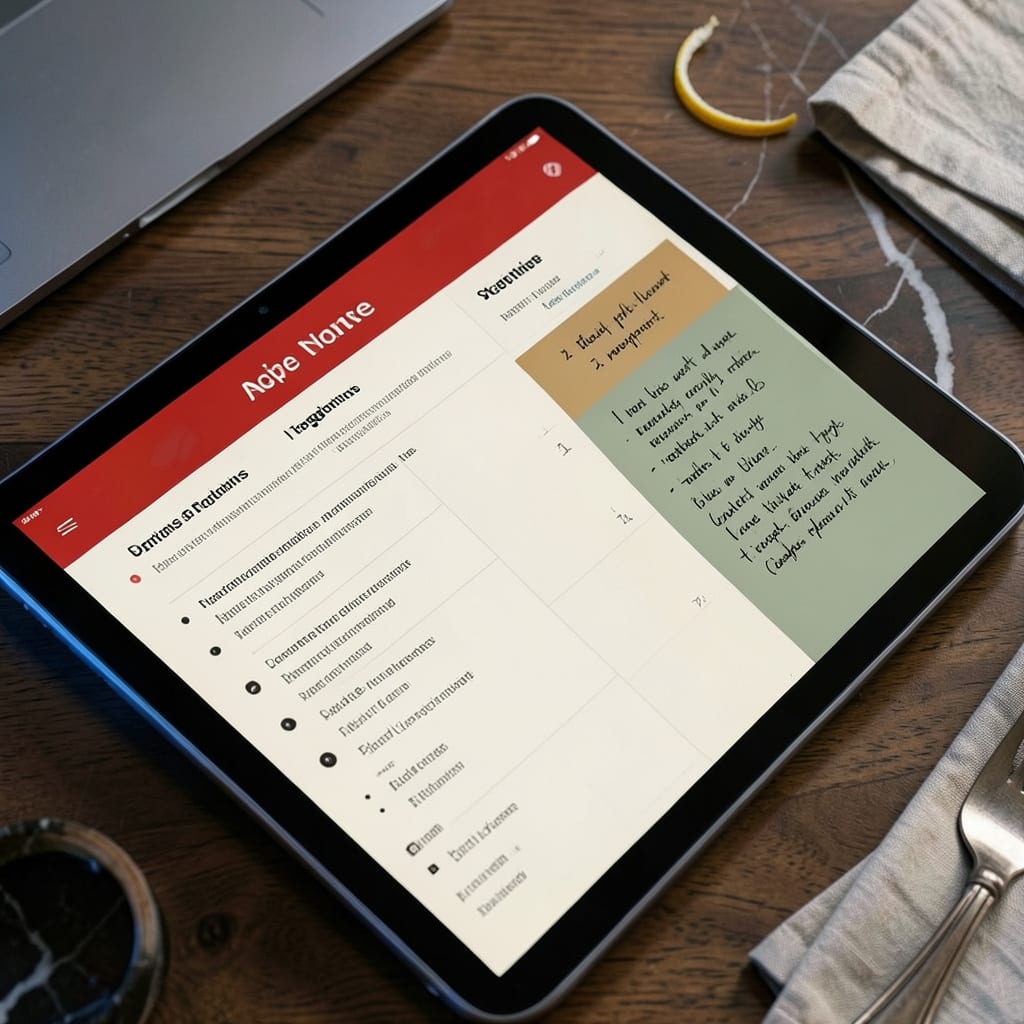
A OneNote recipe template helps organize ingredients, instructions, and notes in a digital format. Use pre-designed sections for meal prep, shopping lists, and cooking times—all customizable to fit your kitchen workflow.
I’ve found that digital recipe templates revolutionize kitchen efficiency by eliminating paper clutter and putting everything at your fingertips. 🔥 The real power comes from integrating multimedia—you can embed cooking videos, attach reference photos of techniques, or link to related recipes. What sets OneNote apart is its search functionality; you can instantly find recipes by ingredient, cuisine type, or even cooking time when you’re planning meals for the week.
For busy home cooks, this system becomes a game-changer during grocery trips or when adjusting recipes on the fly. ✨ The customization options let you create dedicated sections for meal categories, dietary restrictions, or even family favorites—making it adaptable to any cooking style or household need.
💡 In This Article
- Key Features of an Effective OneNote Recipe Template
- How to Customize Your OneNote Recipe Template for Meal Planning
Key Features of an Effective OneNote Recipe Template
The magic of a well-designed OneNote recipe template lies in its structured organization. At minimum, it should include clearly labeled sections for ingredients (with measurements and prep notes), step-by-step instructions (numbered for clarity), and cooking times/temperatures (highlighted in bold).
What elevates it beyond paper recipes is the ability to embed multimedia—you can insert photos of each cooking stage, attach short technique videos, or link to related recipes for variations. 🔥
Advanced templates take organization further with categorized tabs. I recommend creating separate sections for meal types (breakfast, dinner, desserts), dietary needs (vegan, gluten-free, keto), and cooking methods (slow cooker, air fryer, grilling). The real efficiency boost comes from OneNote’s tagging system—you can mark recipes with custom tags like “30-minute meals” or “kid-friendly” for instant filtering.
This transforms your recipe collection into a searchable database rather than a static list.
The digital format solves common kitchen frustrations. Ever struggled to read a stained recipe card mid-cooking? With OneNote, you can zoom in on text, use voice notes for hands-free reference, or even share recipes instantly with family members.
The cloud sync means your entire recipe library travels with you—accessible on your phone at the grocery store or on your tablet while cooking. ✨
What most people overlook is the power of integration. A smart template connects to your calendar for meal planning, embeds grocery lists that auto-populate from selected recipes, and even includes cost-per-serving calculations. I’ve seen home cooks reduce their weekly meal planning time by 40% simply by using these interconnected features.
The template becomes not just a recipe holder, but a complete kitchen management system.
For visual learners, the ability to include process photos at each cooking stage is invaluable. You can snap pictures of what “properly browned” looks like for your favorite dishes, or save reference images of knife cuts. The template can also store equipment notes—like which pan works best for a specific recipe—so you’re never guessing mid-prep.
💫
Pro tip: Use OneNote’s version history feature to track recipe modifications. If you adjust spice levels or cooking times, you can always revert to previous versions. This creates a living document that evolves with your cooking skills, rather than a static recipe that might become outdated.

- BBQ Sausage Recipe Oven: Smoky Depth Without the Grill - September 28, 2026
- BBQ Chicken Bowl Recipe Rice: Smoky Sweetness Over Fluffy Grains - September 28, 2026
- Beef Cutlet Recipe Ideas: Crispy Breaded Patties With Bold Seasonings - September 28, 2026