
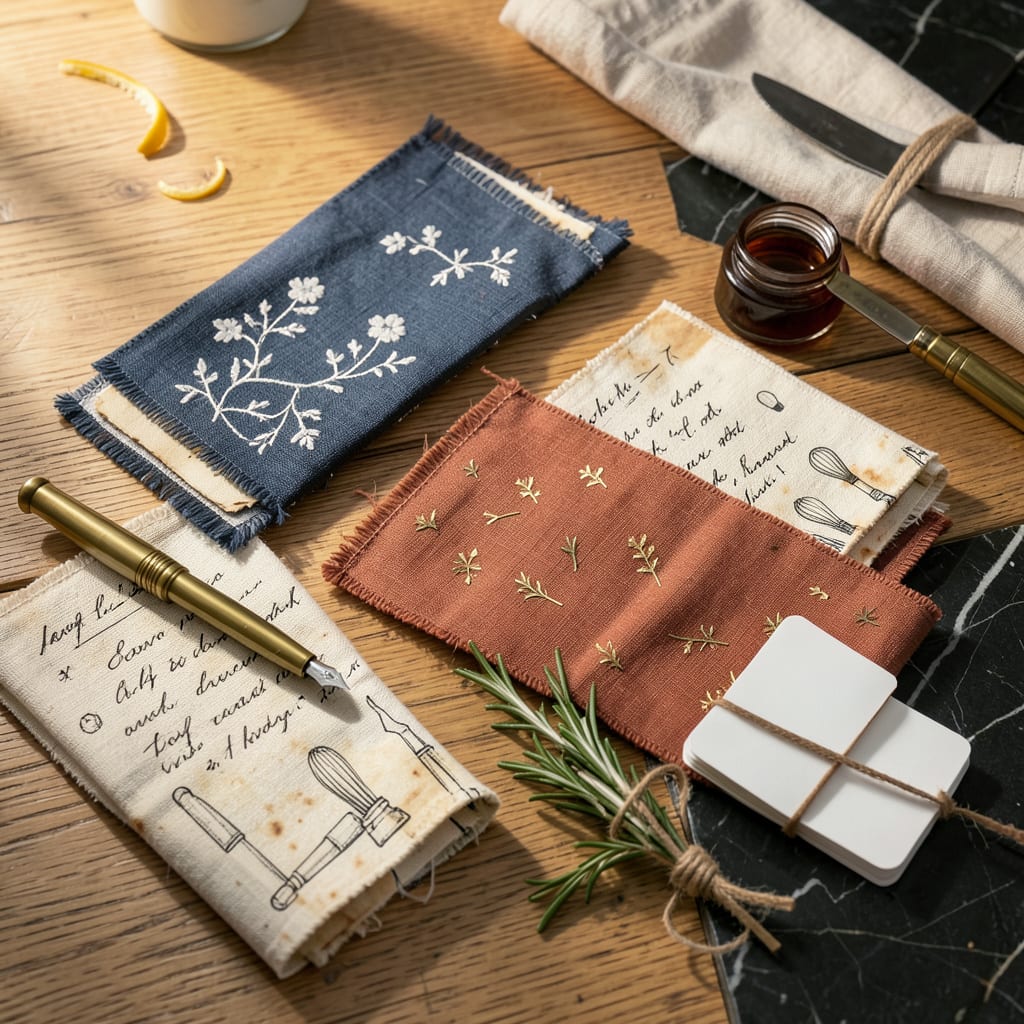
Recipe card sleeves are clear plastic or vinyl pockets that protect paper recipes from spills, stains, and wear while keeping them organized. They come in standard sizes (3×5 or 4×6 inches) and often feature top-loading or side-loading designs for easy access.
I’ve found these protective covers to be game-changers for anyone who loves cooking from family recipes or handwritten cards. 🔥 The best ones use archival-quality materials that prevent yellowing over time, with some even offering UV protection to guard against sunlight damage. What’s particularly useful is how they accommodate different organizational systems—whether you prefer a classic recipe box or a modern binder setup with punched sleeves.
What many don’t realize is that the thickness of the plastic (measured in mils) directly affects durability. Thinner sleeves work fine for occasional use, but serious home cooks should look for at least 5 mil thickness for long-term protection. The self-sealing varieties are my personal favorite—they keep everything secure while still allowing quick access when you’re mid-recipe.
💡 In This Article
- How Recipe Card Sleeves Preserve and Organize Collections
- Top Features to Look for When Buying Recipe Card Sleeves
How Recipe Card Sleeves Preserve and Organize Collections
The secret to long-lasting recipe protection lies in the material science behind these sleeves. Most quality options use either PVC (polyvinyl chloride) or polypropylene, but there’s a crucial difference: polypropylene is naturally acid-free, while PVC requires special treatment to prevent yellowing over time.
The acid-free property is what prevents that ugly discoloration you sometimes see in old photo albums—it neutralizes the chemical reactions that cause paper to degrade. 🔥
Thickness matters more than you might think. Measured in mils (where 1 mil equals 0.001 inch), standard sleeves range from 2-10 mils. I’ve found that 5-7 mil sleeves offer the sweet spot—thick enough to resist punctures from staples or paper clips, yet flexible enough to fit comfortably in recipe boxes.
For comparison, a typical plastic grocery bag is about 0.5 mil thick, while heavy-duty freezer bags hit about 2 mils. The thicker options also provide better spill protection when you’re cooking with oils or sauces.
UV protection is the unsung hero for preserving heirloom recipes. Quality sleeves incorporate UV inhibitors that block up to 98% of harmful ultraviolet light, preventing the same kind of fading you see in sun-exposed photographs. This is particularly important for vintage recipe cards written in ink that’s prone to light damage.
The protection works by absorbing UV rays and converting them into harmless heat energy before they can break down the paper fibers or ink pigments.
The organizational magic happens in the design details. Binder-compatible sleeves feature reinforced punch holes that won’t tear under frequent use, while box-designed sleeves often have slightly rounded corners to prevent snagging. Some premium options include divided interiors that let you store both the recipe card and a photo of the finished dish together.
The self-sealing varieties use a gentle adhesive strip that creates an airtight barrier against moisture—critical when you’re dealing with steamy kitchen environments.
Here’s what most people overlook about closure systems: Top-loading sleeves are faster for frequent access, but side-loading designs provide better spill protection because the opening isn’t exposed when the box is upright.
I’ve tested both in real kitchen scenarios, and while top-loaders win for convenience, side-loaders consistently keep out more liquid splatters during active cooking sessions. The trade-off becomes clear when you’re working with messy ingredients like tomato sauce or melted chocolate. ✨
For serious collectors, archival-quality sleeves take preservation to another level. These use polyester film that’s been tested to last 100+ years without degradation. They’re the same material museums use to protect priceless documents.
The difference becomes apparent when you compare a 20-year-old recipe in a standard sleeve versus one in archival quality—the standard version often shows yellowing and brittleness, while the archival one looks nearly new.
The temperature resistance is another game-changer. Premium sleeves can handle brief exposure to temperatures up to 180°F without warping—meaning you can safely place them near a warm oven while cooking. This heat tolerance comes from specialized plasticizers added during manufacturing that prevent the material from becoming brittle at high temperatures or sticky in humid conditions.
It’s the same technology used in medical-grade plastic packaging. 💫

- BBQ Sausage Recipe Oven: Smoky Depth Without the Grill - September 28, 2026
- BBQ Chicken Bowl Recipe Rice: Smoky Sweetness Over Fluffy Grains - September 28, 2026
- Beef Cutlet Recipe Ideas: Crispy Breaded Patties With Bold Seasonings - September 28, 2026