
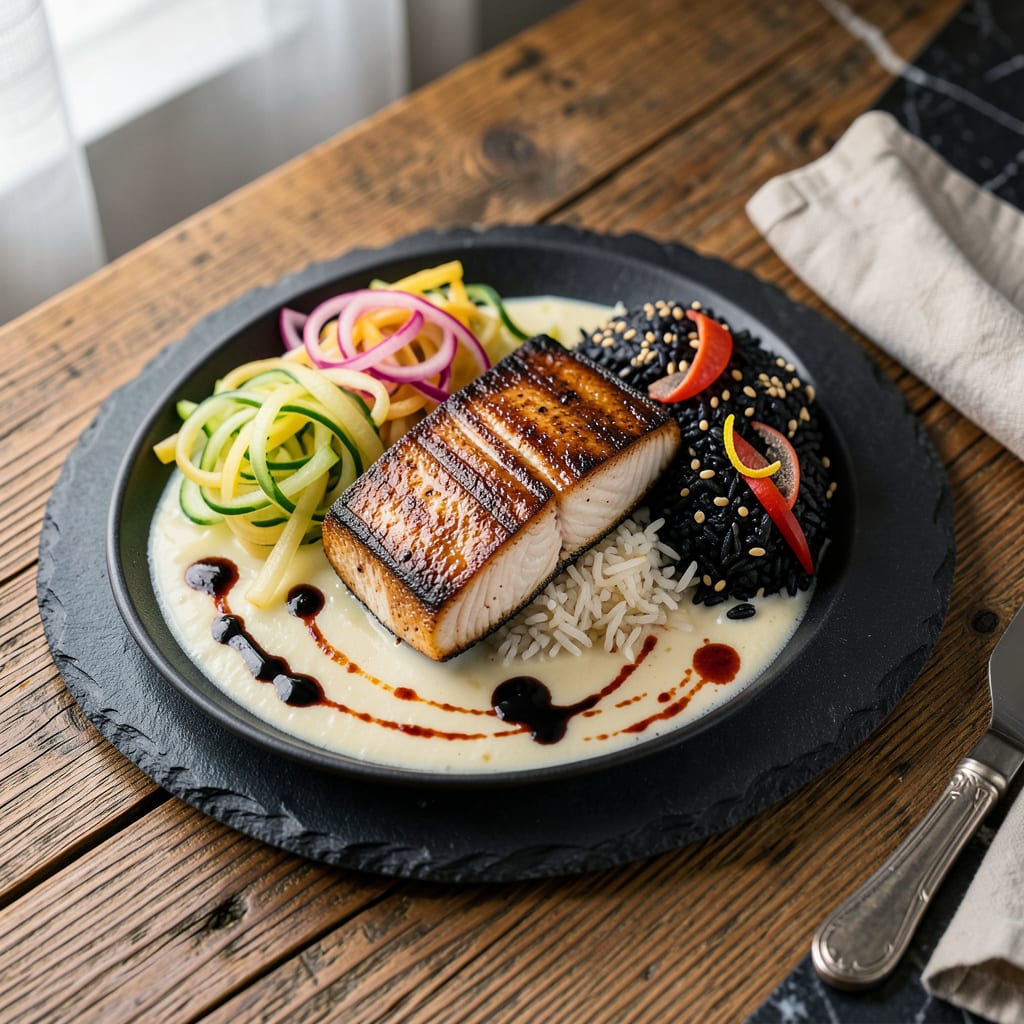
Start with a clear concept, balance core ingredients for flavor and texture, test small batches, and document every adjustment. Focus on simplicity, seasoning layers, and precise measurements for consistent results.
I’ve found that the most successful recipes begin with understanding the science of flavor pairing and how different cooking methods transform ingredients. For example, caramelization creates depth in savory dishes, while acidity can brighten rich flavors. 🔥 My approach involves mapping out flavor profiles first—sweet, salty, umami, and sour—before even touching a pan. This systematic method prevents common mistakes like overpowering seasoning or texture imbalances that often frustrate beginners.
What separates good recipes from great ones is the testing phase, where small adjustments make all the difference. I always recommend keeping a detailed log of each test batch, noting changes in ingredient ratios and cooking times. This discipline ensures you can replicate successes and avoid repeating failures—something professional chefs swear by. ✨
💡 In This Article
- Core Principles Behind Successful Recipe Development
- Essential Tools and Techniques for Testing New Recipes
Core Principles Behind Successful Recipe Development
The foundation of any great recipe lies in understanding flavor architecture—how salt, fat, acid, and sweetness interact to create balance. Salt enhances existing flavors and suppresses bitterness, while fat carries aromas and creates mouthfeel. Acidity (like lemon juice or vinegar) cuts through richness, and sweetness rounds out harsh notes.
🔥 The magic happens when these elements work in harmony, like how a pinch of sugar in tomato sauce reduces acidity while a splash of vinegar in caramel adds complexity.
Ingredient ratios determine texture and structure. For example, the classic 3:2:1 ratio for pie dough (3 parts flour, 2 parts fat, 1 part water) creates flakiness because the fat layers separate during baking. In custards, the ratio of eggs to dairy determines whether you get a firm quiche or a silky crème brûlée.
Cultural traditions often codify these ratios—French roux uses equal parts fat and flour, while Indian tadka balances spices with ghee or oil for optimal aroma release.
Cooking methods transform ingredients through specific chemical reactions. Dry heat (grilling, roasting) creates Maillard browning, developing deep, meaty flavors in proteins and vegetables. Moist heat (braising, poaching) breaks down collagen into gelatin, tenderizing tough cuts.
💫 Understanding these processes lets you choose techniques intentionally—like searing meat before braising to build flavor layers, or blanching vegetables before sautéing to preserve color and texture.
Cultural context shapes recipe structure in subtle ways. Italian soffritto builds flavor through slow-cooked aromatics, while Chinese stir-frying relies on high heat and quick cooking to preserve texture. Even measurement systems reflect tradition—American recipes use volume (cups), while professional kitchens worldwide rely on weight measurements (grams) for precision.
This is why converting recipes between cultures often requires adjusting both ingredients and techniques.
Seasoning layers create depth that one-dimensional approaches can’t achieve. Professional chefs often season in stages—salt meat days ahead for dry-brining, add herbs early for infusion, finish with fresh herbs or citrus zest.
🌟 Home cooks can apply this by tasting at each step: season your onions while they sweat, your sauce as it reduces, and again before serving. This iterative approach prevents underseasoned or overly salty results.
The most overlooked principle? Resting time. Letting baked goods cool sets their structure, allowing meat to reabsorb juices after cooking, or letting flavors meld in stews overnight transforms good dishes into extraordinary ones. This patience separates amateur attempts from restaurant-quality results—something I learned after ruining countless roasts by slicing too soon!

- BBQ Sausage Recipe Oven: Smoky Depth Without the Grill - September 28, 2026
- BBQ Chicken Bowl Recipe Rice: Smoky Sweetness Over Fluffy Grains - September 28, 2026
- Beef Cutlet Recipe Ideas: Crispy Breaded Patties With Bold Seasonings - September 28, 2026