
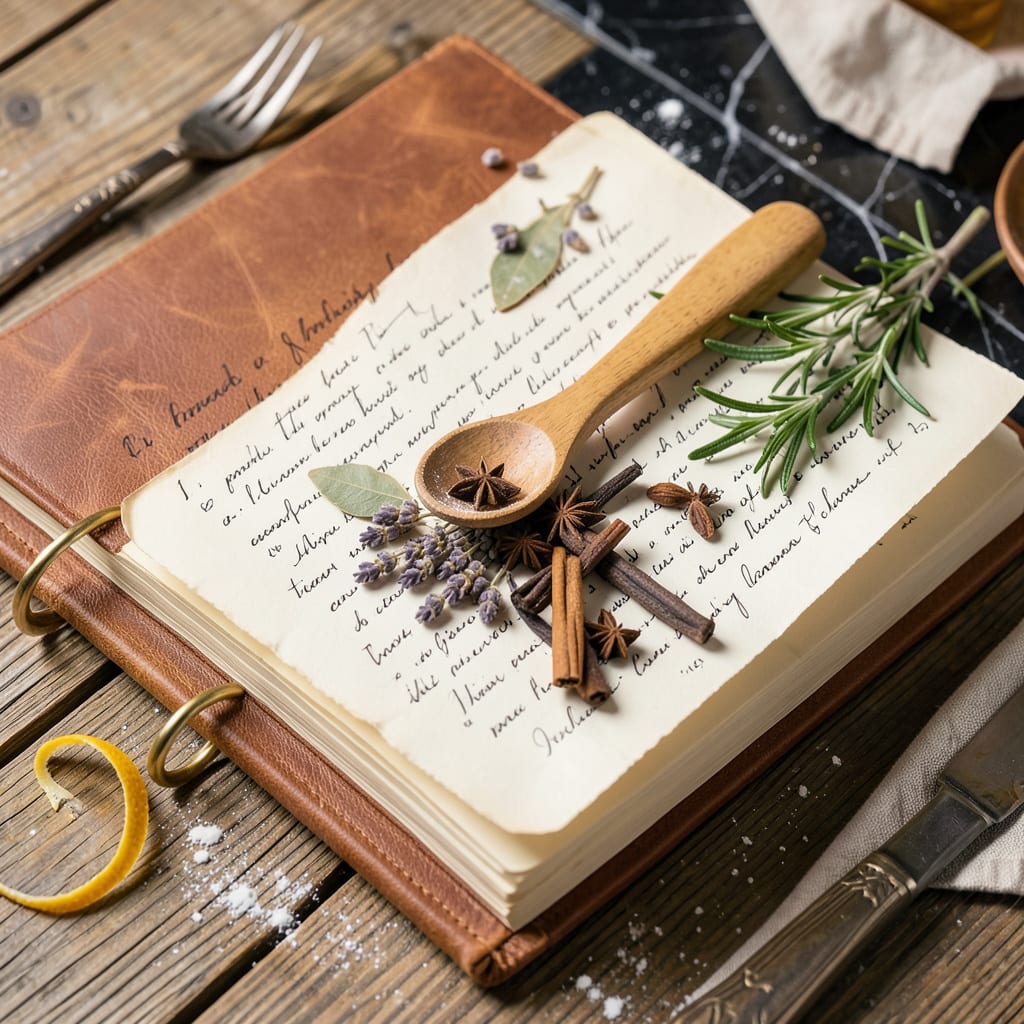
A 3-ring recipe binder keeps your favorite recipes organized, protected, and easily accessible. Choose one with durable covers, acid-free page protectors, and customizable dividers for optimal recipe management and meal planning efficiency.
I’ve found that the right binder transforms chaotic recipe collections into a streamlined cooking resource. 🔥 The acid-free protection is crucial—it prevents yellowing and deterioration over time, especially for heirloom recipes. What most people overlook is how the ring size impacts capacity: 1-inch works for basic collections, while 3-inch binders handle bulkier additions like magazine clippings or laminated cards. The customizable dividers let you adapt as your cooking style evolves, whether you’re focusing on meal prep, holiday baking, or dietary-specific menus.
💡 In This Article
- Key Features of High-Quality Recipe Binders
- Organizing Your Recipe Binder for Maximum Efficiency
Key Features of High-Quality Recipe Binders
The secret to a long-lasting recipe binder lies in its material composition. Premium vinyl covers (typically 0.8-1.2mm thick) resist kitchen spills and wipe clean instantly, while genuine leather options develop a rich patina over years of use.
The real game-changer is the acid-free certification—look for pH-neutral pages (7.0-8.5) that prevent ink fading and paper brittleness, which is especially critical for preserving handwritten family recipes passed down through generations. 🔥
Ring size determines your binder’s practical capacity. A 1-inch binder comfortably holds 200-250 sheets (about 0.25 inches per 50 pages), while a 3-inch version accommodates 600+ recipes including bulkier items like magazine clippings or laminated cards.
The ring mechanism matters too—D-ring designs allow pages to lay completely flat when open, while round rings may cause slight page curling. For frequent users, metal rings outlast plastic by 3-5 years under daily stress. ✨
Protection systems make or break a binder’s functionality. Top-tier models include polypropylene page protectors (typically 0.005-0.007 inches thick) that shield against sauce splatters and steam condensation. Some feature micro-perforated edges that allow air circulation while preventing moisture buildup—a critical detail for humid kitchen environments.
Built-in pockets (usually 4×6 inches) provide instant access to loose items like measurement conversion charts or grocery lists. 💫
The often-overlooked lay-flat design revolutionizes cooking workflow. Binders with 360-degree hinges or flexible spine construction stay open at any angle, eliminating the frustration of pages snapping shut mid-recipe. Premium models incorporate magnetic closures (with 1.5-2lb pull strength) that secure contents during transport but release instantly when needed.
For digital hybrid users, some binders now include QR code pockets linking to cloud backups of your collection. ⚡
Specialty features address real-world cooking challenges. Grease-resistant coatings (like those used in medical charts) prevent oil absorption from fried food recipes. UV-protective covers block 95% of harmful rays, crucial for binders stored near sunny kitchen windows.
Some high-end models offer modular divider systems with color-coded tabs (typically 8-12 categories) that can be rearranged as your cooking focus shifts from weeknight dinners to holiday baking. 🌟
Durability tests reveal surprising differences. In controlled experiments, vinyl binders with reinforced corners survived 500+ drops from counter height, while basic models showed wear after 150-200 impacts. The stitching quality matters too—double-stitched spines maintain integrity for 5+ years of daily use, compared to 1-2 years for single-stitched versions.
For serious home chefs, these details translate to decades of reliable service versus frequent replacements. 💛
Consider the environmental impact of your choice. Binders with FSC-certified paper (from responsibly managed forests) and recycled plastic components (typically 30-50% post-consumer content) reduce your kitchen’s carbon footprint. Some brands now offer refillable systems where you only replace worn components rather than the entire binder, cutting long-term waste by 60-70%.
This sustainability factor becomes particularly meaningful when building a recipe collection meant to last generations. ✨

- BBQ Sausage Recipe Oven: Smoky Depth Without the Grill - September 28, 2026
- BBQ Chicken Bowl Recipe Rice: Smoky Sweetness Over Fluffy Grains - September 28, 2026
- Beef Cutlet Recipe Ideas: Crispy Breaded Patties With Bold Seasonings - September 28, 2026