
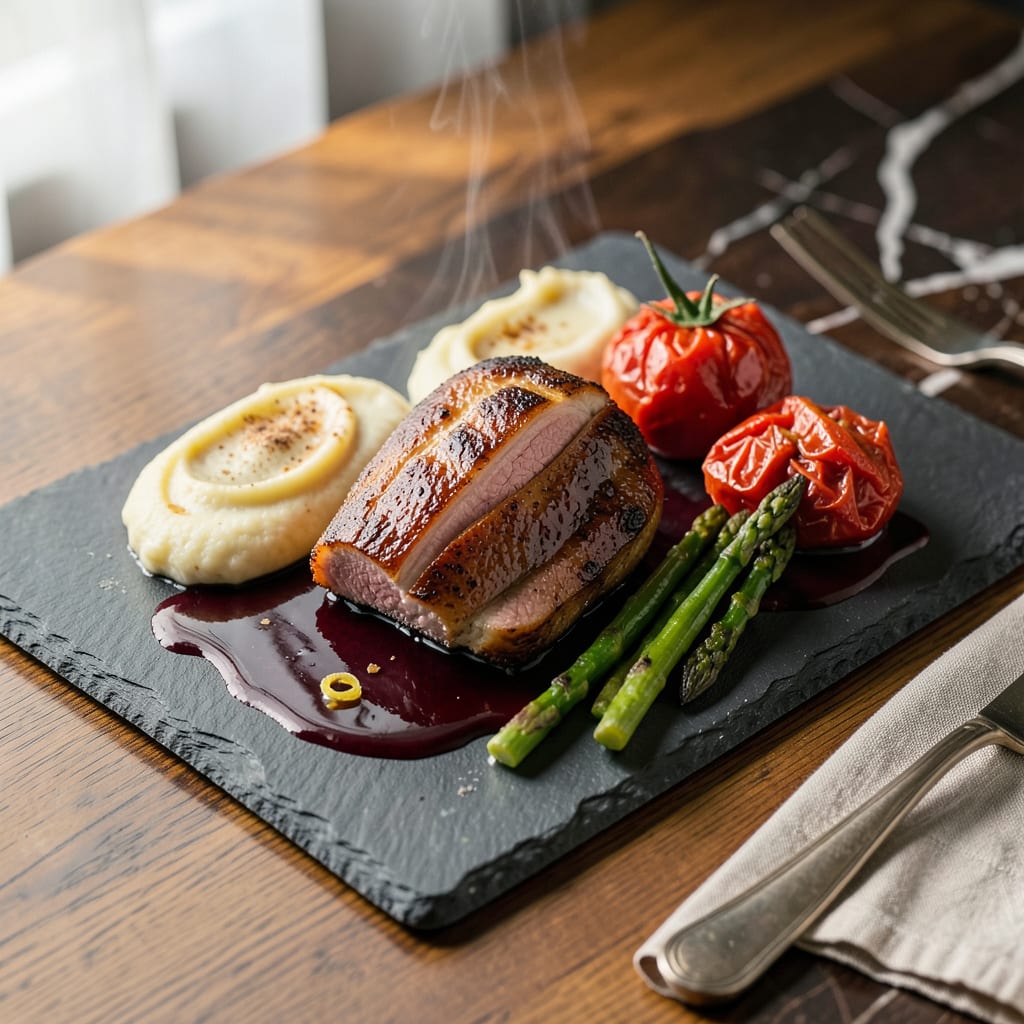
A recipe development course teaches you how to create, test, and refine original dishes through flavor balancing, ingredient pairing, and professional techniques. Ideal for home cooks and aspiring chefs looking to build confidence in the kitchen.
This isn’t just about following recipes—it’s about mastering the science of taste and learning how ingredients interact at a molecular level. 🔥 I’ve seen students transform from hesitant cooks to confident creators by understanding core principles like umami layering, texture manipulation, and plating psychology. The real magic happens when you start predicting how flavor combinations will evolve during cooking, which is exactly what structured courses teach through hands-on experimentation.
What sets professional training apart is the systematic approach to failure analysis. ✨ Every “failed” dish becomes a lesson in adjusting ratios, timing, or techniques—something casual home experimentation rarely provides. The best programs include sensory training exercises that sharpen your ability to detect subtle flavor imbalances, which is why graduates often develop dishes that taste restaurant-quality on their first attempt.
💡 In This Article
- Core Skills Taught in Professional Recipe Development Courses
- How to Choose the Right Recipe Development Course for Your Goals
Core Skills Taught in Professional Recipe Development Courses
At the heart of these courses lies flavor architecture—the systematic approach to building complex taste profiles. You’ll learn to map primary flavors (sweet, salty, sour, bitter, umami) onto a flavor wheel, then layer secondary notes like earthiness, smokiness, or floral undertones.
🔥 The magic happens when you understand how 2-3% salt by weight enhances sweetness perception, or why 0.5% acidity makes fatty dishes taste lighter. Professional courses teach these ratios through blind taste tests where you’ll adjust seasoning in 0.1g increments to detect subtle differences.
Ingredient functionality takes center stage through food science labs. You’ll explore how protein denaturation at different temperatures (like 145°F vs. 165°F) changes meat texture, or why 3% starch in ice cream prevents ice crystals.
✨ The courses demystify emulsions by having you create mayonnaise with varying oil-to-egg ratios (from 1:1 to 4:1) to observe stability differences. Unlike home experimentation, you’ll use refractometers to measure sugar concentrations and pH strips to test acidity levels—tools that reveal why some recipes succeed where others fail.
Sensory evaluation training sharpens your palate through triangle tests and descriptive analysis. You might compare five types of salt (Maldon, kosher, Himalayan, sea, table) at identical weights to identify texture and dissolution differences. 💫 The courses teach you to articulate flavors precisely—distinguishing between “grassy” and “herbaceous” or “caramelized” vs. “burnt”—using industry-standard vocabulary.
This precision helps when documenting recipes for consistency across batches.
The structured development process differs radically from casual cooking. You’ll learn to create recipe matrices that track ingredient variations (like testing 3 flour types with 4 liquid ratios) before selecting the optimal combination. Courses emphasize documentation protocols where you’ll record not just ingredients but environmental factors—humidity affects dough hydration, while altitude changes boiling points.
This methodical approach explains why professional recipes work reliably, while home experiments often produce inconsistent results.
Plating psychology and menu engineering complete the curriculum. You’ll study how color contrast (like purple cabbage against white plates) increases perceived freshness, or why odd-numbered arrangements appear more appealing.
The courses analyze restaurant menus to show how description wording influences diner expectations—terms like “slow-braised” or “hand-foraged” trigger specific flavor anticipations that your dish must deliver on.
What transforms students is the failure analysis framework. Every “failed” dish gets dissected: Was it the maillard reaction timing? The fat-to-flour ratio in the roux? The resting time for gluten development? You’ll maintain a development journal where you’ll note variables like “doubled baking powder” or “reduced oven temp by 25°F” alongside sensory outcomes.
This creates a personal database of what works—and why—which is the real value these courses provide beyond just collecting recipes.

- BBQ Sausage Recipe Oven: Smoky Depth Without the Grill - September 28, 2026
- BBQ Chicken Bowl Recipe Rice: Smoky Sweetness Over Fluffy Grains - September 28, 2026
- Beef Cutlet Recipe Ideas: Crispy Breaded Patties With Bold Seasonings - September 28, 2026