
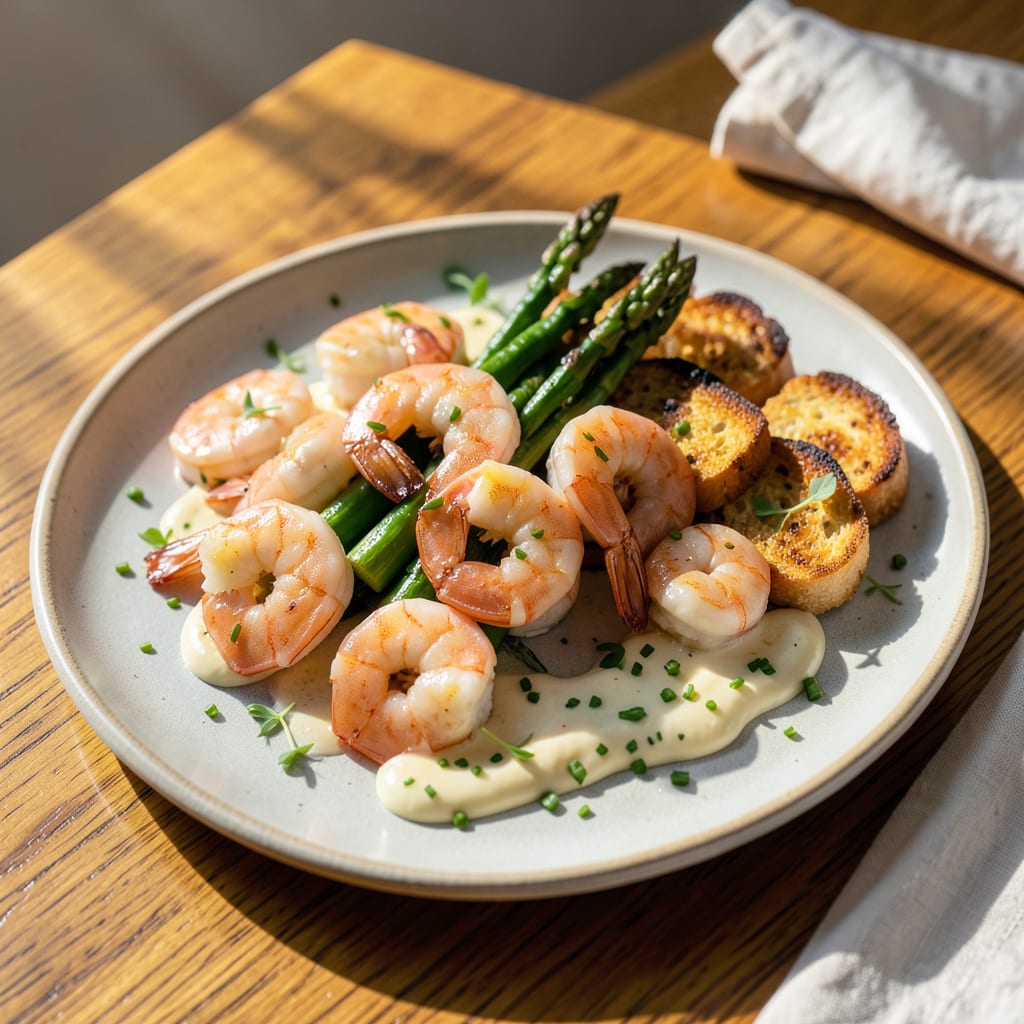
Already cooked shrimp can be transformed into quick dishes like garlic butter shrimp pasta, spicy shrimp tacos, or a refreshing shrimp salad. The key is reheating gently (just until warm) to avoid overcooking, then pairing with bold flavors like citrus, herbs, or creamy sauces for fast, flavorful meals.
What I love about working with pre-cooked shrimp is how it cuts preparation time by 75% while still delivering restaurant-quality results. The secret lies in treating the shrimp as a flavor carrier rather than the main cooking focus—think of it like a culinary blank canvas. 🔥 For example, tossing chilled shrimp with avocado, lime, and cilantro creates a vibrant ceviche-style dish in under 5 minutes, while a quick sauté with white wine and capers transforms it into a sophisticated pasta topping. The protein’s delicate structure means you’re preserving its natural sweetness rather than risking rubbery textures through excessive heat.
💡 In This Article
- Why Pre-Cooked Shrimp Works Best in Quick Recipes
- 5-Flavor Profiles to Elevate Pre-Cooked Shrimp Dishes
Why Pre-Cooked Shrimp Works Best in Quick Recipes
Pre-cooked shrimp saves time because the protein structure is already set through denaturation—a process where heat unfolds the shrimp’s proteins into a firm, opaque texture. This happens at 145-165°F, and reheating beyond this range causes the proteins to contract further, squeezing out moisture. The result? That dreaded rubbery texture.
🔥 By starting with pre-cooked shrimp, you bypass the delicate 2-3 minute cooking window needed for raw shrimp, eliminating the risk of overcooking entirely.
The science behind flavor retention is equally compelling. Shrimp contains natural enzymes that break down quickly when exposed to heat. Pre-cooked shrimp preserves these enzymes in a stabilized state, locking in the sweet, briny flavor that makes shrimp so versatile.
Cold applications like salads or ceviche-style dishes work particularly well because they avoid additional heat exposure—think of it as preserving the shrimp’s “flavor integrity.” For example, a 5-minute marinade in lime juice and olive oil at room temperature infuses flavor without compromising texture. ✨
Time-saving benefits extend beyond just the shrimp itself. Since the protein is already cooked, you can focus on building complementary flavors. A 3-ingredient garlic butter sauce (butter, minced garlic, lemon zest) takes just 90 seconds to prepare while the shrimp warms gently in the residual heat.
This approach shifts the cooking focus from the shrimp to the sauce or accompaniments, where flavor development happens faster and with more control. The shrimp acts as a flavor sponge, absorbing bold seasonings without needing prolonged heat exposure. ⚡
Texture pitfalls often arise from improper reheating methods. Microwaving, for instance, can create hot spots that turn shrimp tough in 30 seconds or less.
Instead, opt for gentle heat transfer methods:
- Poaching: Submerge in 140°F liquid for 1-2 minutes
- Steam reheating: Place over simmering water for 60-90 seconds
- Residual heat: Toss into hot pasta or sauce, then remove from heat immediately
💫
Cold preparations often yield the best results because they eliminate reheating risks altogether. A shrimp and avocado salad with grapefruit segments stays vibrant for hours, while a chilled shrimp cocktail with homemade sauce (ketchup, horseradish, lemon juice) develops more complex flavors as it sits.
The key is acidity—citrus juice or vinegar “cooks” the surface slightly through denaturation, enhancing texture without heat. This is why ceviche-style dishes work so well with pre-cooked shrimp: you get the fresh, bright flavors without the raw fish safety concerns. 🌟
For hot dishes, timing becomes everything. Shrimp should be the last ingredient added to stir-fries or pasta dishes, needing only 30-45 seconds of contact with heat. I like to warm my sauce or base first, then add the shrimp and immediately plate the dish.
This “carryover cooking” approach lets the shrimp warm through without actually cooking further. The result is perfectly tender shrimp that still has that satisfying “snap” when you bite into it. 💛

- BBQ Sausage Recipe Oven: Smoky Depth Without the Grill - September 28, 2026
- BBQ Chicken Bowl Recipe Rice: Smoky Sweetness Over Fluffy Grains - September 28, 2026
- Beef Cutlet Recipe Ideas: Crispy Breaded Patties With Bold Seasonings - September 28, 2026