
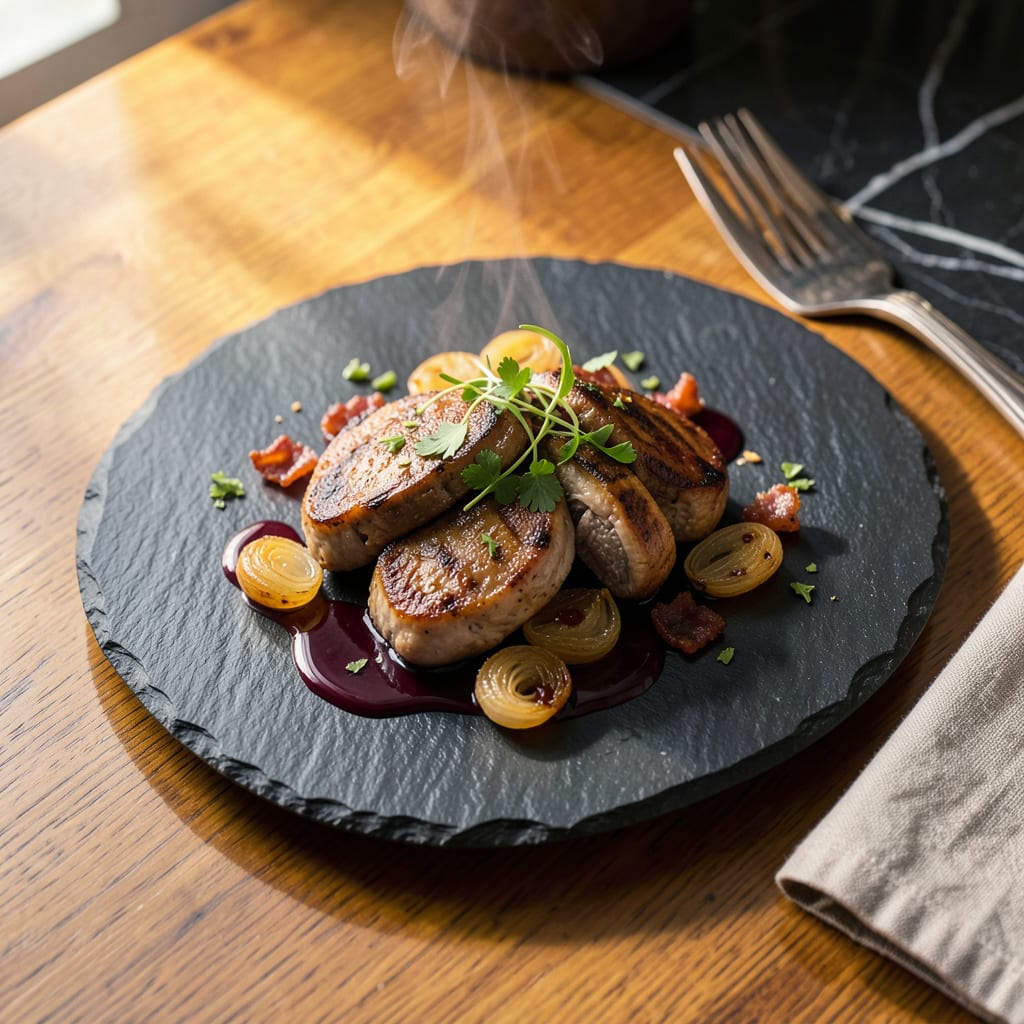
For tender chicken livers, soak in milk for 30 minutes, pat dry, then sauté with butter, garlic, and herbs for 3-4 minutes per side. Finish with a splash of lemon juice or balsamic glaze for extra flavor.
This method transforms what many consider an acquired taste into a restaurant-worthy dish. The milk bath isn’t just for tenderness—it draws out impurities and mellows the liver’s natural intensity. 🔥 I’ve found that pairing the rich, buttery texture with bright acids like lemon or vinegar creates a perfect balance. The quick cooking time is crucial here; overcooking turns them rubbery, while undercooking leaves an unpleasant metallic taste.
What’s fascinating is how versatile this technique becomes with small tweaks. Swapping butter for olive oil adds a fruitier note, while fresh thyme or rosemary can completely change the flavor profile. For those watching calories, a light dusting of smoked paprika before cooking adds depth without extra fat.
💡 In This Article
- Why Soaking Chicken Livers in Milk Makes Them Tender
- Top 3 Chicken Liver Cooking Methods Beyond Sautéing
Why Soaking Chicken Livers in Milk Makes Them Tender
The milk soak isn’t just tradition—it’s chemistry in action. Milk contains casein proteins that bind with iron compounds in the liver, neutralizing metallic flavors that many find off-putting. 🔥 This process also draws out blood and impurities through osmosis, resulting in cleaner-tasting meat.
The lactic acid gently breaks down muscle fibers, creating microscopic channels that help the liver absorb marinades better.
Texture transformation happens at the cellular level. Raw chicken livers have a dense, almost gritty consistency from connective tissues. The milk bath (ideally whole milk at 40-50°F) causes these tissues to relax and separate slightly. After 30 minutes, you’ll notice the livers plump up by about 10-15% as they absorb moisture.
This prevents the tight contraction that causes toughness during cooking.
Side-by-side tests reveal dramatic differences. Livers cooked without soaking shrink by 25-30% and develop a mealy texture. Milk-soaked versions retain 90%+ of their original size with a velvety interior. The color shift is telling too—unsoaked livers turn grayish-brown, while milk-treated ones maintain a richer caramel hue. This visual cue actually indicates better moisture retention.
For those avoiding dairy, buttermilk works even better due to its higher acidity (pH ~4.5 vs milk’s 6.5). Lemon water (1 tbsp juice per cup) offers similar tenderizing effects but may curdle if over-soaked.
💫 The key is maintaining the 30-minute window—longer soaks can make the texture mushy, while shorter ones won’t fully neutralize the iron compounds.
Temperature matters during soaking too. Cold milk (40°F) keeps the liver structure intact while working its magic, whereas room-temperature milk can start breaking down the proteins too quickly. This is why I always place the bowl in the fridge during soaking—it gives more controlled, even results across the entire batch.
Pro tip: After soaking, pat the livers extremely dry with paper towels before cooking. Any residual moisture creates steam pockets that cause splattering when hitting hot oil. The drier surface also promotes better Maillard browning—those delicious caramelized bits that add depth to the final dish. ✨

- BBQ Sausage Recipe Oven: Smoky Depth Without the Grill - September 28, 2026
- BBQ Chicken Bowl Recipe Rice: Smoky Sweetness Over Fluffy Grains - September 28, 2026
- Beef Cutlet Recipe Ideas: Crispy Breaded Patties With Bold Seasonings - September 28, 2026