
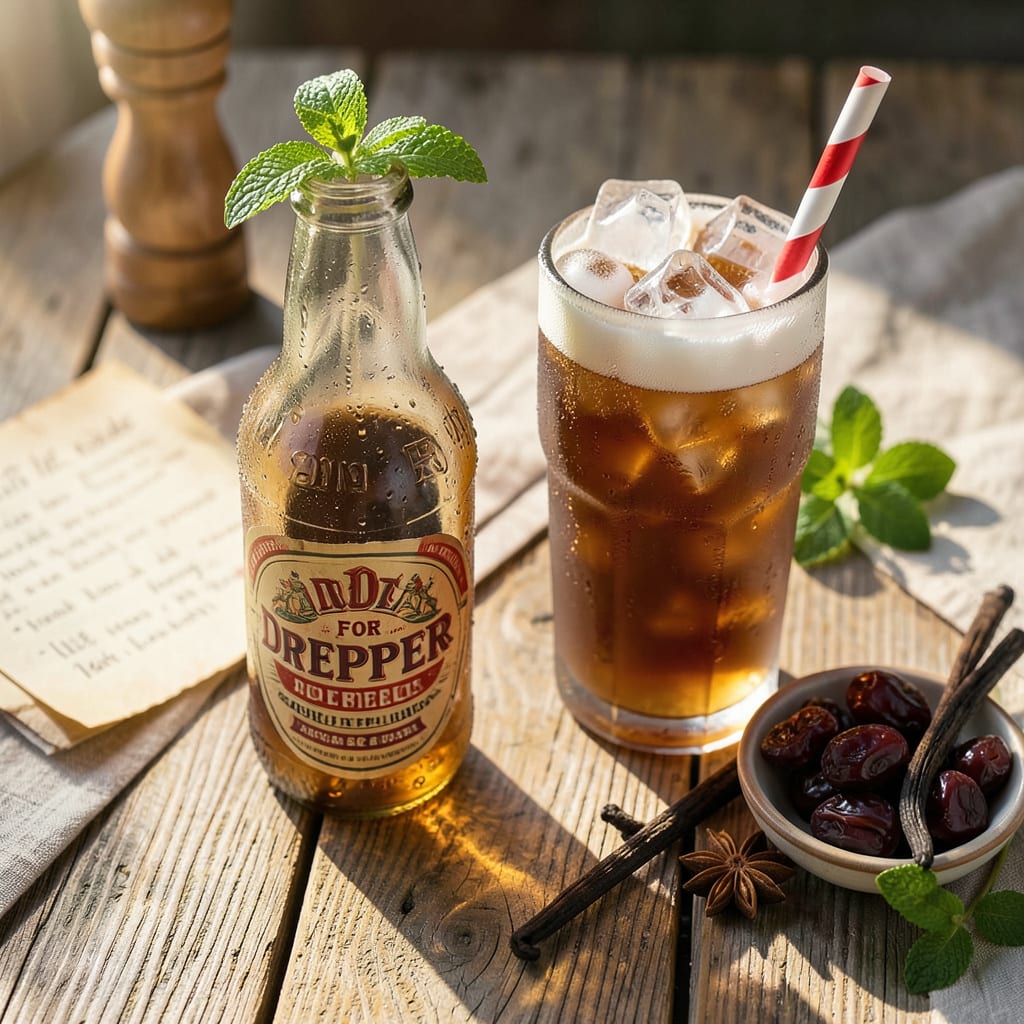
A homemade Dr Pepper replica combines 23 flavors including vanilla, almond, black licorice, and citrus oils with caramel coloring, carbonated water, and a precise sweetener blend. The key is balancing spice notes with fruity undertones for that signature taste.
Creating this iconic soda at home requires understanding how each ingredient interacts—particularly the phosphoric acid that gives it that crisp bite. The real challenge lies in replicating the layered complexity, where prune and cherry notes blend seamlessly with warm spices like cinnamon and nutmeg. I’ve found that natural caramel color (E150d) is essential for authenticity, as it contributes both visual depth and subtle bitterness. ✨
What most recipes miss is the precise carbonation level—commercial versions use 3.5-4.0 volumes of CO₂, which you can achieve with a soda siphon or CO₂ tank. The sweetener ratio also makes or breaks the result: traditional versions rely on high-fructose corn syrup, but I prefer a 60/40 blend of cane sugar and honey for cleaner flavor. 💫
💡 In This Article
- Decoding Dr Pepper’s 23-Flavor Secret Formula
- Step-by-Step Homemade Dr Pepper Brewing Guide
Decoding Dr Pepper’s 23-Flavor Secret Formula
The magic of Dr Pepper lies in its layered flavor architecture, where each of the 23 ingredients plays a specific role in the final profile. The base starts with prune and raisin extracts, providing a deep, jammy sweetness that anchors the blend.
Citrus oils (orange, lemon, lime) add brightness, while vanilla and almond extracts contribute creamy warmth. What most copycats miss is the black licorice root—it’s not dominant, but it bridges the fruity and spicy elements. 🔥
The spice component is where the complexity emerges. A precise ratio of cinnamon, nutmeg, and clove (typically 3:2:1) creates that signature “warm” sensation without tasting like pumpkin pie. The phosphoric acid (0.08-0.1% concentration) isn’t just for preservation—it enhances the perception of fruit flavors while muting any harsh edges from the spices.
Caramel color (E150d) does double duty: it provides the dark hue AND contributes a subtle burnt sugar bitterness that balances the sweetness. ✨
Here’s what’s fascinating about the sweetener system: Commercial versions use high-fructose corn syrup at 10-12% concentration by volume, but home versions work better with a 60/40 cane sugar to honey blend. The honey adds floral notes that complement the vanilla, while cane sugar provides cleaner sweetness.
The carbonation level (3.5-4.0 volumes CO₂) is critical—too low and it tastes flat, too high and it overpowers the nuanced flavors. 💫
The flavor interaction happens in stages. First, your tongue detects the citrus and cherry notes (front palate). Then the spices and caramel hit mid-palate, followed by the vanilla and almond finish. The phosphoric acid creates a “dry” sensation that makes you want another sip—this is why it’s moreish.
Temperature matters too: serving at 38-42°F maximizes flavor release, while warmer temps make it taste overly sweet. ⚡
For home brewers, the biggest challenge is the flavor extraction timing. Citrus oils should steep for 12-18 hours at room temperature, while spices need 4-6 hours of gentle heat (140-150°F) to fully infuse without becoming bitter. The prune/raisin base benefits from a 24-hour cold infusion to develop depth.
What separates good homemade versions from great ones is patience—rushing the infusion process leads to muddled flavors. 🌟
Pro tip: The commercial version uses a two-stage carbonation process. First, they carbonate the water to 2.5 volumes, then add it to the syrup which brings it to the final 3.8 volumes. This prevents flavor separation.
At home, you can mimic this by chilling your syrup to 35°F before mixing with carbonated water—this preserves the delicate flavor layers. 💛

- BBQ Sausage Recipe Oven: Smoky Depth Without the Grill - September 28, 2026
- BBQ Chicken Bowl Recipe Rice: Smoky Sweetness Over Fluffy Grains - September 28, 2026
- Beef Cutlet Recipe Ideas: Crispy Breaded Patties With Bold Seasonings - September 28, 2026