
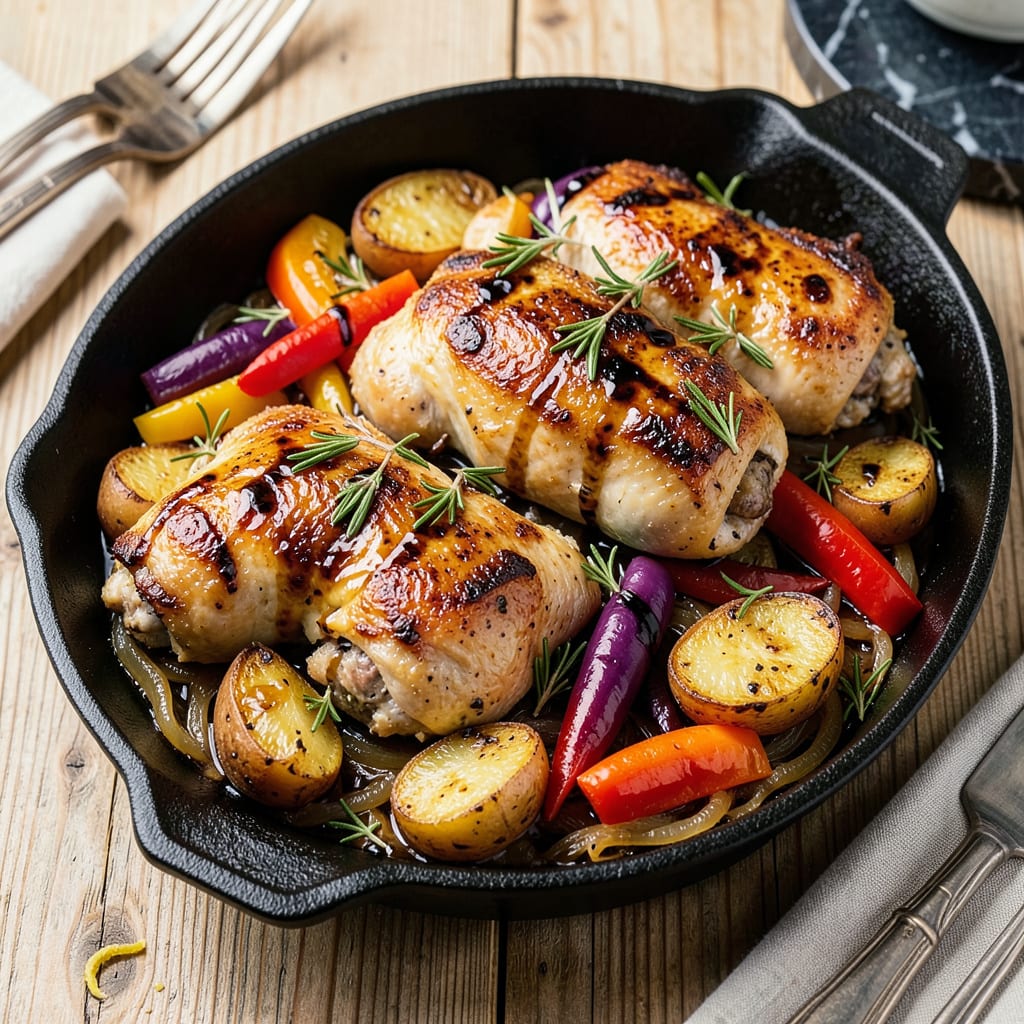
Start with simple oven-baked dishes like roasted vegetables, sheet-pan chicken, or classic meatloaf. These require minimal prep, use basic ingredients, and teach essential techniques like proper seasoning, temperature control, and timing for foolproof results.
I love recommending oven recipes to new cooks because they build confidence fast. The controlled environment lets you focus on mastering foundational skills without constant monitoring. 🔥 Think of it as training wheels for cooking—you’ll learn how ingredients transform with heat while avoiding common stovetop pitfalls like scorching or uneven cooking.
What’s brilliant about these starter dishes is their versatility. A simple sheet pan can become your weeknight hero, turning affordable ingredients into restaurant-worthy meals. The oven’s dry heat naturally concentrates flavors through caramelization, so even basic seasonings shine. Plus, most recipes give you a 20-30 minute window to prep sides or set the table while dinner cooks itself.
💡 In This Article
- Why Oven Cooking Works Best for Beginners
- Essential Tools and Prep Tips for Oven Recipes
Why Oven Cooking Works Best for Beginners
The oven’s enclosed environment creates what chefs call convection currents—hot air that circulates evenly around your food. Unlike stovetop cooking where heat comes only from below, this 360-degree exposure eliminates hot spots that cause burning. The result? You get perfectly cooked dishes even if you’re not constantly stirring or flipping.
🔥 This forgiving nature makes it ideal for learning temperature control without the pressure of perfect timing.
Dry heat transforms ingredients through two key processes: Maillard reaction (browning proteins) and caramelization (sugars breaking down). At temperatures between 300-450°F, these reactions create complex flavors automatically. For example, roasting vegetables at 425°F for 20-25 minutes turns their natural sugars into rich, nutty notes—no fancy techniques required.
The oven does the flavor development for you while you focus on mastering seasoning ratios.
Here’s the confidence-building secret: oven recipes give you a 15-30 minute buffer where small timing variations won’t ruin your dish. A chicken breast might stay juicy whether it cooks for 22 minutes or 25 minutes at 375°F, while stovetop chicken demands constant attention.
This predictability lets you practice judging doneness by appearance and touch without the stress of immediate overcooking. ✨
The hands-off nature teaches essential kitchen management skills. While your meatloaf bakes for 50-60 minutes, you can prep sides, set the table, or clean as you go—habits that make cooking feel effortless. Unlike frying where you’re chained to the stove, oven cooking trains you to multitask efficiently.
The audible timer becomes your accountability partner, reinforcing good timing habits that translate to all cooking methods.
Even heat distribution also means more consistent results across different oven types. Whether you’re using a conventional electric oven or a convection model, the temperature variances are minimal compared to stovetop burners that can fluctuate wildly.
This consistency builds your intuition for how ingredients behave under steady heat—a skill that directly transfers to more advanced recipes later. 💫
Consider how a sheet pan dinner at 400°F teaches multiple techniques simultaneously:
- Protein mastery: Chicken thighs develop crispy skin while staying juicy
- Vegetable timing: Potatoes soften as broccoli caramelizes
- Flavor layering: Garlic and herbs infuse everything as they roast
This multi-sensory learning (watching colors change, smelling aromas develop, hearing sizzles) creates stronger memory connections than reading instructions alone.
Your brain associates the golden-brown crust on bread with the 350°F setting, or links the nutty aroma of roasted carrots to their 40-minute cook time—building instinctive cooking knowledge with every batch. ⚡

- BBQ Sausage Recipe Oven: Smoky Depth Without the Grill - September 28, 2026
- BBQ Chicken Bowl Recipe Rice: Smoky Sweetness Over Fluffy Grains - September 28, 2026
- Beef Cutlet Recipe Ideas: Crispy Breaded Patties With Bold Seasonings - September 28, 2026