
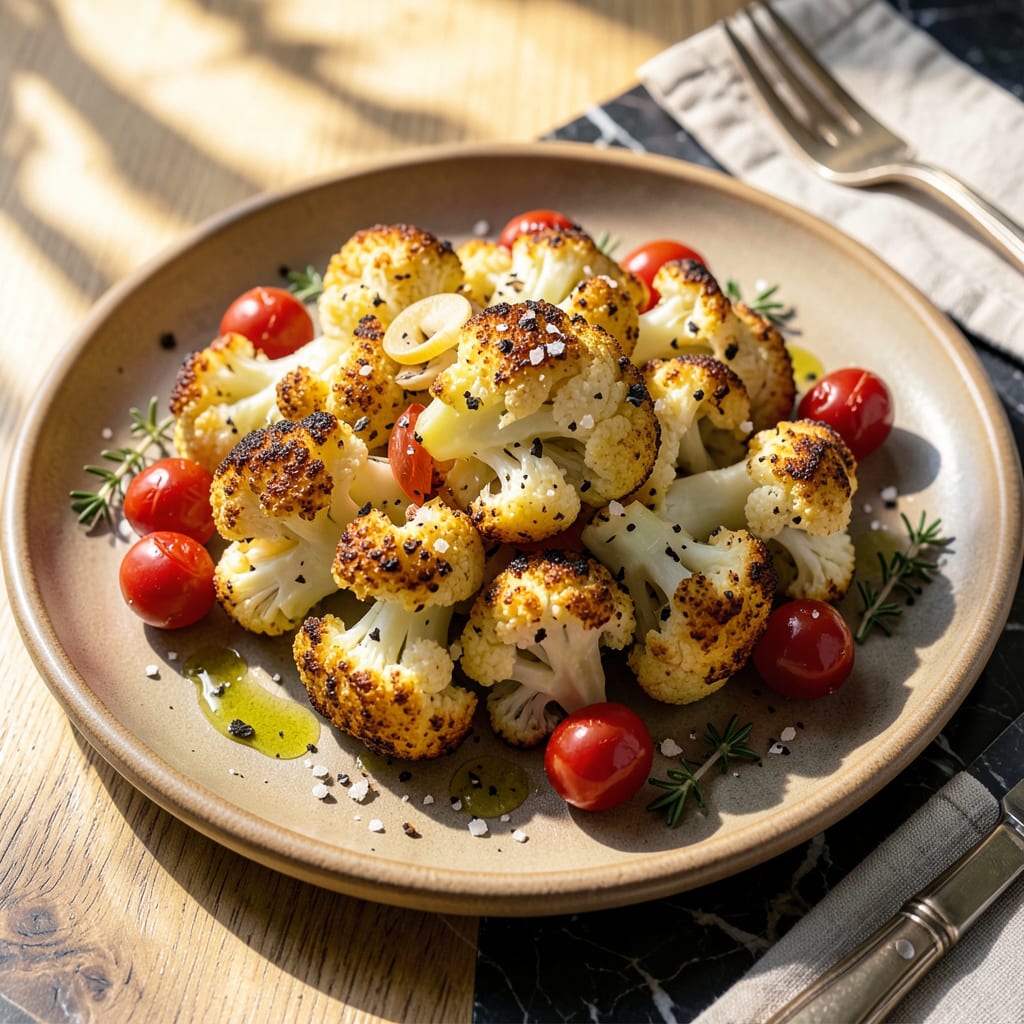
Frozen cauliflower works best when roasted, sautéed, or steamed. Toss with olive oil, salt, and spices, then cook at 425°F for 20-25 minutes until golden and crispy. Avoid boiling to prevent mushiness.
High heat is the secret to transforming frozen cauliflower from soggy to spectacular. The freezing process alters the vegetable’s cell structure, making it more prone to waterlogging when cooked gently. 🔥 By using dry-heat methods like roasting or air-frying, you drive off excess moisture quickly while creating that coveted caramelized exterior.
I always recommend patting the florets dry before cooking—this small step makes a surprising difference in texture. For extra flavor, try adding smoked paprika or a dash of cumin to your seasoning mix. These spices complement cauliflower’s natural nuttiness while standing up to the high temperatures needed for perfect results. ✨
💡 In This Article
- Why Frozen Cauliflower Needs Special Cooking Techniques
- 5 Flavor-Packed Frozen Cauliflower Recipes to Try Tonight
Why Frozen Cauliflower Needs Special Cooking Techniques
The freezing process dramatically alters cauliflower’s cellular structure. When fresh cauliflower is frozen, sharp ice crystals form inside the plant cells, piercing cell walls and causing them to rupture. This damage releases enzymes and moisture that would normally stay contained. 🔥 The result?
A vegetable that’s more prone to becoming waterlogged during cooking unless you use techniques that compensate for this structural change.
Fresh cauliflower maintains about 92% water content in intact cells, while frozen versions can release up to 30% more moisture when thawed. This explains why boiling frozen cauliflower turns it to mush—the already compromised cells can’t withstand the additional water absorption.
High-heat methods like roasting at 425°F or air-frying at 400°F work better because they create a Maillard reaction quickly, forming a protective crust before too much moisture escapes.
The key difference lies in how heat transfers. Wet cooking methods (boiling, steaming) use convection through water, which softens the already damaged cells. Dry heat methods (roasting, sautéing) use radiant and conductive heat to drive off surface moisture rapidly, creating that desirable crispy texture.
✨ I’ve found that adding 1 tablespoon of cornstarch per pound of cauliflower before roasting helps absorb excess moisture for even better results.
Flavor retention also suffers differently in frozen versus fresh. The cell damage from freezing causes some of cauliflower’s natural sulfur compounds (responsible for its distinctive flavor) to oxidize more quickly. This is why frozen cauliflower often tastes milder—about 20-25% less intense in blind taste tests. The solution?
Use bold seasonings like smoked paprika, garlic powder, or nutritional yeast to compensate for this flavor loss.
Time becomes another critical factor. Frozen cauliflower typically requires 25-30% longer cooking time than fresh to achieve the same doneness, but at higher temperatures. For example, where fresh florets might roast perfectly at 400°F for 15 minutes, frozen needs that 425°F temperature for 20-25 minutes to drive off the extra moisture while developing flavor. 💫
One often-overlooked advantage of frozen cauliflower is its pre-cut convenience. The industrial freezing process actually blanch-shocks the vegetable first, which means it’s already partially cooked. This head start lets you skip parboiling steps that fresh cauliflower often needs for even cooking.
The blanching also helps preserve about 60% of the original vitamin C content, making frozen a nutritious alternative to fresh when handled properly.

- BBQ Sausage Recipe Oven: Smoky Depth Without the Grill - September 28, 2026
- BBQ Chicken Bowl Recipe Rice: Smoky Sweetness Over Fluffy Grains - September 28, 2026
- Beef Cutlet Recipe Ideas: Crispy Breaded Patties With Bold Seasonings - September 28, 2026