
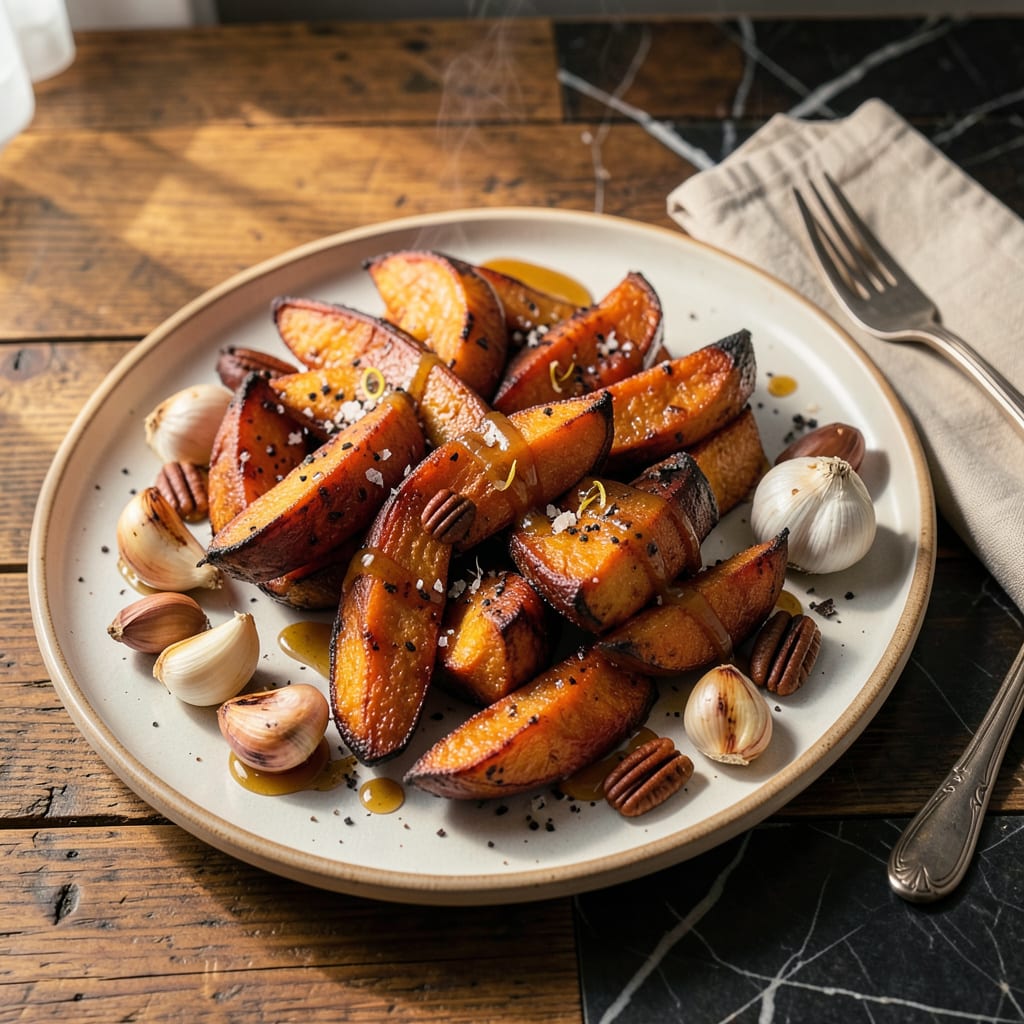
For perfect frozen sweet potatoes, thaw overnight in the fridge, then roast at 400°F with olive oil, salt, and pepper for 25-30 minutes until crispy. Alternatively, boil for 10 minutes or air-fry at 375°F for 15-20 minutes.
Frozen sweet potatoes offer a time-saving shortcut without sacrificing flavor or texture—if handled correctly. The key lies in gradual thawing, which preserves their natural sweetness and prevents a watery consistency. I always recommend patting them dry before cooking to maximize crispiness, especially when roasting or air-frying. 🔥
What makes this method foolproof is its adaptability to different cooking styles. Whether you’re aiming for caramelized edges in the oven or a quick side dish via air-fryer, the consistent heat distribution ensures even cooking. For extra flavor, toss them with garlic powder or smoked paprika before roasting. ✨
💡 In This Article
- Why Frozen Sweet Potatoes Cook Differently Than Fresh
- 5 Creative Ways to Use Frozen Sweet Potatoes in Meals
Why Frozen Sweet Potatoes Cook Differently Than Fresh
When sweet potatoes are frozen, ice crystals form inside their cells, physically rupturing the cell walls. This structural damage means they release more moisture during cooking compared to fresh sweet potatoes. The result? A softer, sometimes mushier texture if not handled properly. 🔥 The key is controlling this moisture through proper thawing and cooking techniques.
Thawing method dramatically impacts the final texture. A slow fridge thaw (8-12 hours) allows the ice crystals to melt gradually, giving the potato cells time to reabsorb some moisture. In contrast, microwave thawing or room-temperature thawing causes rapid melting, leading to waterlogged potatoes that steam instead of crisp when cooked.
For best results, pat them thoroughly dry with paper towels before adding oil or seasonings.
Cooking temperature becomes even more critical with frozen sweet potatoes. High heat (400°F for roasting, 375°F for air-frying) creates the Maillard reaction faster, developing crispy edges before the interior becomes watery. The starches in frozen sweet potatoes also behave differently—they gelatinize more quickly when heated, which can make them gummy if overcooked. ✨
Nutrient retention actually favors frozen sweet potatoes in some cases. The freezing process locks in beta-carotene (what gives them their orange color) more effectively than long-term fresh storage.
Studies show frozen sweet potatoes retain about 90% of their vitamin A content after 3 months, while fresh sweet potatoes can lose up to 30% of this nutrient after just 2 weeks in the pantry.
Here’s what most people miss: frozen sweet potatoes often cook faster than fresh because the freezing process pre-softens the flesh. A 1-inch frozen cube will roast in about 20-25 minutes at 400°F, while the same size fresh piece might need 30-35 minutes.
This time difference means you need to watch them closely to avoid burning the edges while the centers remain undercooked.
The starch content also concentrates during freezing. When water freezes into ice, it leaves behind a higher proportion of sugars and starches in the remaining liquid. This concentration explains why frozen sweet potatoes often taste sweeter and caramelize more readily than their fresh counterparts.
💫 For maximum crispiness, toss them with 1 tablespoon of cornstarch per pound before roasting to absorb excess surface moisture.
One final pro tip: frozen sweet potatoes benefit from a two-stage cooking process. Start with 5 minutes in the air fryer at 350°F to drive off surface moisture, then increase to 375°F for the remaining time.
This technique mimics the “dry then crisp” method used in professional kitchens, ensuring you get that perfect balance of tender interior and crispy exterior every time. ⚡

- BBQ Sausage Recipe Oven: Smoky Depth Without the Grill - September 28, 2026
- BBQ Chicken Bowl Recipe Rice: Smoky Sweetness Over Fluffy Grains - September 28, 2026
- Beef Cutlet Recipe Ideas: Crispy Breaded Patties With Bold Seasonings - September 28, 2026