
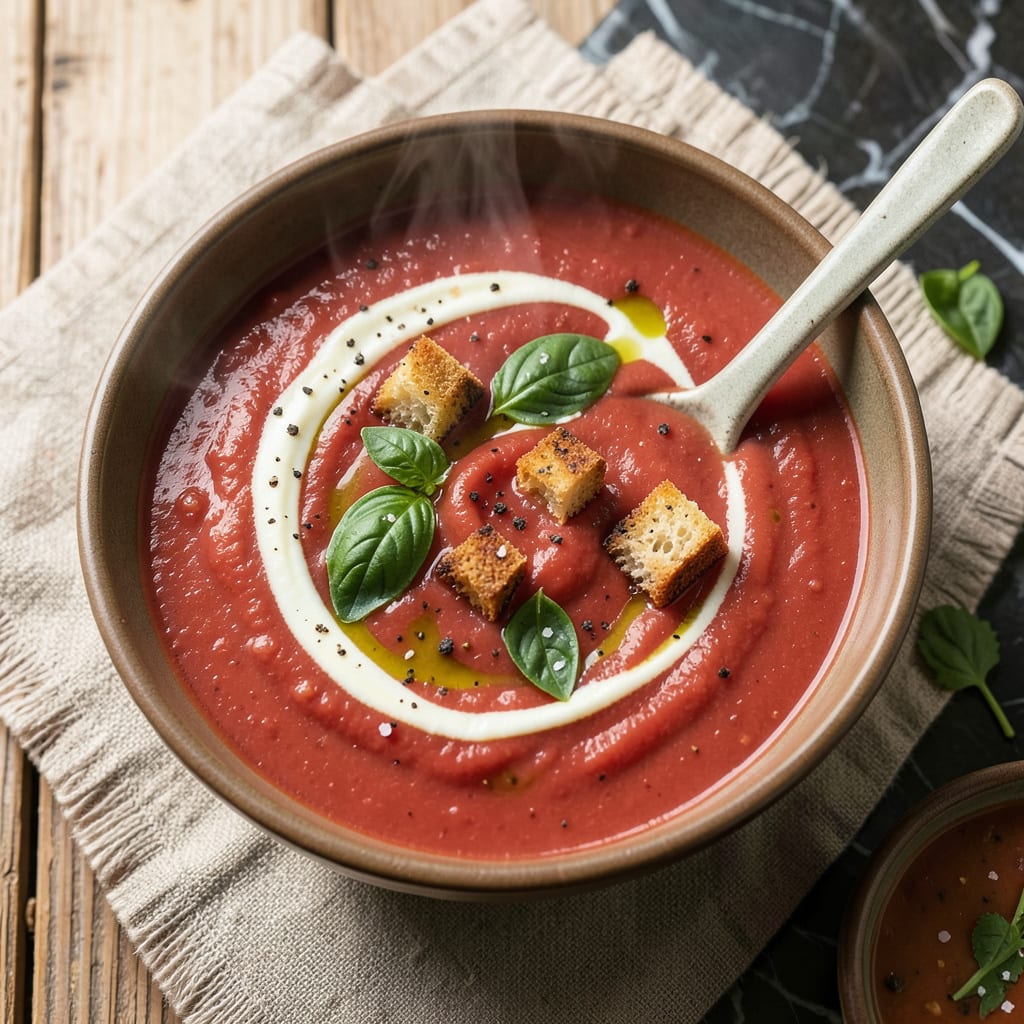
A soup maker simplifies homemade soups—just add chopped ingredients and broth, then select your preferred setting. Try classic tomato basil, creamy butternut squash, or hearty lentil for quick, restaurant-quality results in under 30 minutes.
These countertop appliances take the guesswork out of soup-making by combining precision heating with automated blending. 🔥 The beauty lies in their versatility—you can achieve anything from velvety purées to rustic chunky textures with minimal effort. I’ve found they particularly excel with vegetables that soften quickly, like carrots and sweet potatoes, while maintaining the integrity of heartier ingredients like beans or barley.
What sets soup makers apart is their ability to develop flavors through controlled simmering before blending. This means you get depth that rivals stovetop methods, without the constant stirring or temperature monitoring. For busy cooks, it’s a game-changer—just prep your ingredients during the morning rush, and you’ll return to a steaming bowl of homemade goodness by lunchtime. ✨
💡 In This Article
- How Soup Makers Transform Ingredients Into Perfect Texture
- Essential Tips for Customizing Soup Maker Recipes
How Soup Makers Transform Ingredients Into Perfect Texture
The magic starts with the blade system—most quality soup makers use stainless steel blades spinning at 12,000-18,000 RPM to create that restaurant-smooth texture. For chunky soups, the appliance pulses intermittently at lower speeds (6,000 RPM), preserving ingredient integrity while still incorporating flavors.
The heat distribution is equally clever: dual heating elements (one at the base, one mid-jug) maintain consistent temperatures between 185-212°F, ensuring even cooking without scorching. 🔥
Timing plays a crucial role in flavor development. Most programs begin with a 10-15 minute simmer phase where ingredients soften and aromatics meld. This is when starches from potatoes or squash break down into sugars, creating natural sweetness.
The blending phase then emulsifies these components—fats from coconut milk or olive oil disperse evenly, while fibers from vegetables create that velvety mouthfeel. I’ve found soups with tomato bases benefit most from this process, as the acidity helps tenderize other ingredients during the simmer. ✨
What really impresses me is how the appliance handles different ingredient densities. Hard vegetables like carrots or parsnips get pre-softened by the initial heat cycle before blending, while delicate greens (spinach, basil) are added later to prevent over-processing.
The 30-minute cycle is perfectly calibrated—long enough to develop flavors but short enough to preserve vibrant colors and nutrients that longer cooking would destroy. This is why your butternut squash soup retains that beautiful orange hue rather than turning muddy brown. 🌟
The texture control comes from programmable blade patterns. For creamy soups, the machine uses continuous high-speed blending that creates microscopic air bubbles—this is what gives your potato leek soup that light, almost mousse-like quality. Chunky settings employ short bursts that maintain ¼-inch pieces while still incorporating the broth’s flavors. The real pro tip?
Adding a splash of liquid after blending gives you one last chance to adjust consistency before serving. ⚡
Temperature precision makes all the difference in flavor extraction. The initial heat ramp-up to 195°F breaks down cell walls in vegetables, releasing their natural umami compounds. This is particularly noticeable with onions and garlic, which develop deeper, sweeter notes than they would with quick sautéing.
The final 5-minute keep-warm phase allows flavors to marry completely—something you just can’t replicate with stovetop methods that cool too quickly. 💫
Consider how the appliance handles different soup bases:
- Cream-based: Blades create a vortex that fully incorporates dairy at 170°F without curdling
- Broth-based: High-speed blending aerates the liquid for a lighter, more refreshing mouthfeel
- Legume-heavy: Extended simmer time (20 minutes) ensures lentils or beans become perfectly tender

- BBQ Sausage Recipe Oven: Smoky Depth Without the Grill - September 28, 2026
- BBQ Chicken Bowl Recipe Rice: Smoky Sweetness Over Fluffy Grains - September 28, 2026
- Beef Cutlet Recipe Ideas: Crispy Breaded Patties With Bold Seasonings - September 28, 2026