
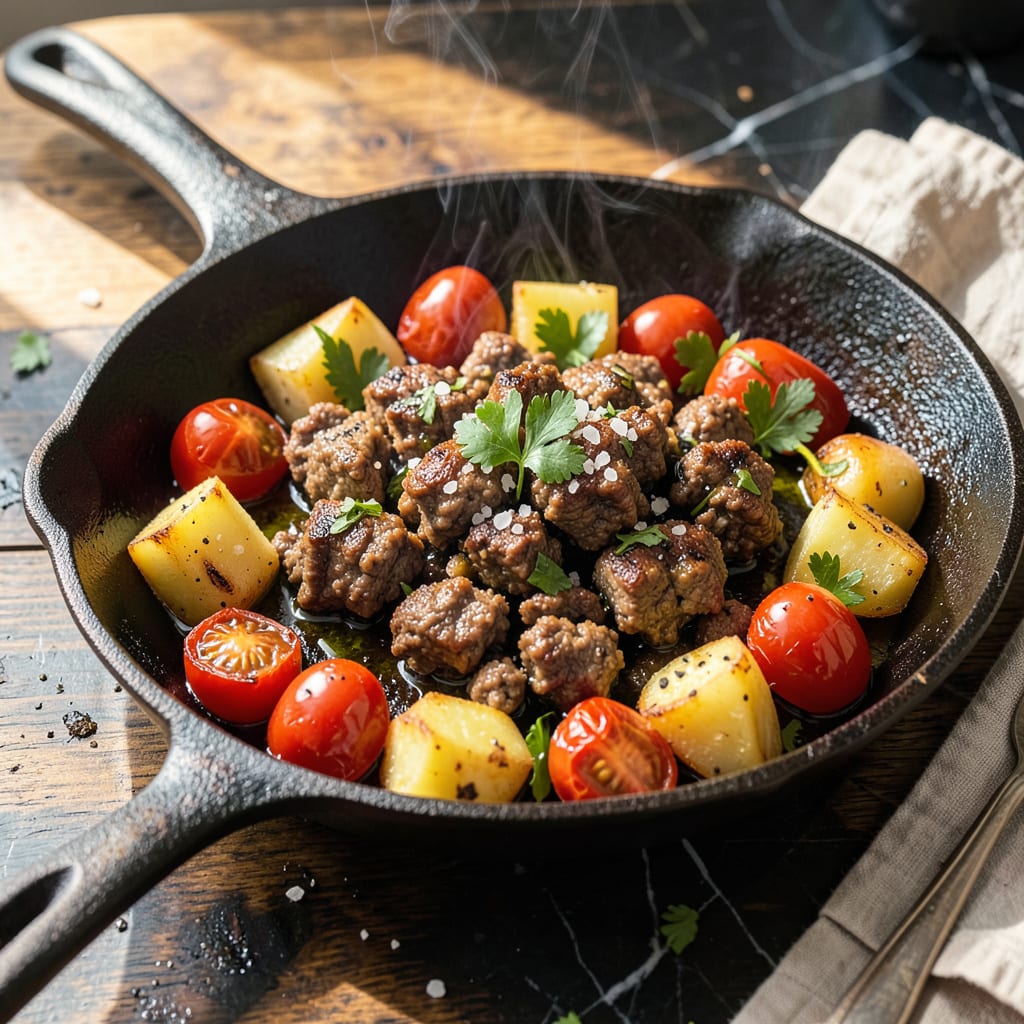
Ground chuck shines in classic burgers, hearty meatloaf, and rich Bolognese sauce. For best results, use 80/20 fat ratio, season generously with salt and pepper, and cook to 160°F for juicy, flavorful dishes.
This versatile cut transforms simple meals into restaurant-quality dishes with minimal effort. 🔥 The higher fat content in 80/20 ground chuck creates that perfect balance of moisture and flavor that leaner meats often lack. I love how it caramelizes beautifully when seared, developing deep, savory notes that elevate everything from weeknight tacos to slow-cooked chili. The key is letting the meat rest briefly after cooking—this ensures all those delicious juices stay locked inside.
What sets ground chuck apart is its ability to absorb flavors while maintaining its rich beefy character. ✨ Whether you’re mixing in herbs for meatballs or keeping it simple for smash burgers, this cut delivers consistent results. I always recommend buying fresh and grinding it yourself if possible—you’ll notice a dramatic difference in both texture and taste compared to pre-packaged options.
💡 In This Article
- Why Ground Chuck Works Best for Burgers and Meatloaf
- 5 Must-Try Ground Chuck Recipes Beyond Burgers
Why Ground Chuck Works Best for Burgers and Meatloaf
The magic of ground chuck lies in its 80/20 fat-to-lean ratio, which is the gold standard for juicy, flavorful results. That 20% fat content isn’t just for flavor—it’s what creates moisture during cooking through a process called rendering.
As the fat melts at temperatures above 130°F, it bastes the meat from within, preventing the dry, crumbly texture you often get with leaner grinds like sirloin or round. 🔥
When you cook ground chuck at medium-high heat (375-400°F), the fat capsuled within the meat fibers begins to emulsify with the beef’s natural juices. This creates a velvety mouthfeel that’s particularly noticeable in burgers, where the patty’s interior stays moist while developing a crisp, caramelized crust.
Compare this to 90/10 ground beef, which often results in hockey-puck-like burgers because there’s insufficient fat to lubricate the proteins as they contract during cooking.
For meatloaf, the fat in ground chuck serves another critical purpose: it acts as a binder when combined with eggs and breadcrumbs. The rendered fat coats the starch molecules in breadcrumbs, creating a gel-like matrix that holds the loaf together while keeping it tender.
This is why recipes using leaner beef often require extra moisture (like milk or tomato sauce) to compensate for what the fat would normally provide. ✨
The ideal internal temperature of 160°F isn’t arbitrary—it’s the sweet spot where harmful bacteria are eliminated while preserving maximum juiciness. At this temperature, the meat’s proteins have coagulated enough to hold onto the rendered fat and juices, but haven’t squeezed out all the moisture like they would at higher temps.
This is especially important for thicker preparations like meatloaf or stuffed peppers where overcooking the exterior can dry out the interior.
What most home cooks don’t realize is that ground chuck’s fat also carries flavor compounds. As the fat renders, it dissolves and distributes water-soluble flavor molecules throughout the meat.
This is why a well-seasoned chuck burger tastes more uniformly flavorful than one made with leaner beef, where seasonings often sit on the surface rather than penetrating deeply. 🌟
Consider this comparison of fat contents and their effects:
- 80/20 ground chuck: Ideal balance of moisture and structure, caramelizes beautifully
- 85/15 ground beef: Slightly leaner, works for meatballs but risks dryness in burgers
- 90/10 ground sirloin: Healthier but requires added fats (like egg or olive oil) for moisture
The next time you’re forming burger patties or mixing meatloaf, pay attention to how the ground chuck feels—it should be slightly tacky but not greasy. This texture indicates the fat is well-distributed throughout the grind, which means it will render evenly during cooking for that perfect bite every time. ⚡

- Beef Cutlet Recipe Ideas: Crispy Breaded Patties With Bold Seasonings - September 28, 2026
- Bluefin Tuna Recipe Ideas: Sushi-Grade Seared and Sesame-Crusted - September 28, 2026
- Blue Zone Recipe Ideas: Longevity-Boosting Meals for Vibrant Living - September 28, 2026