
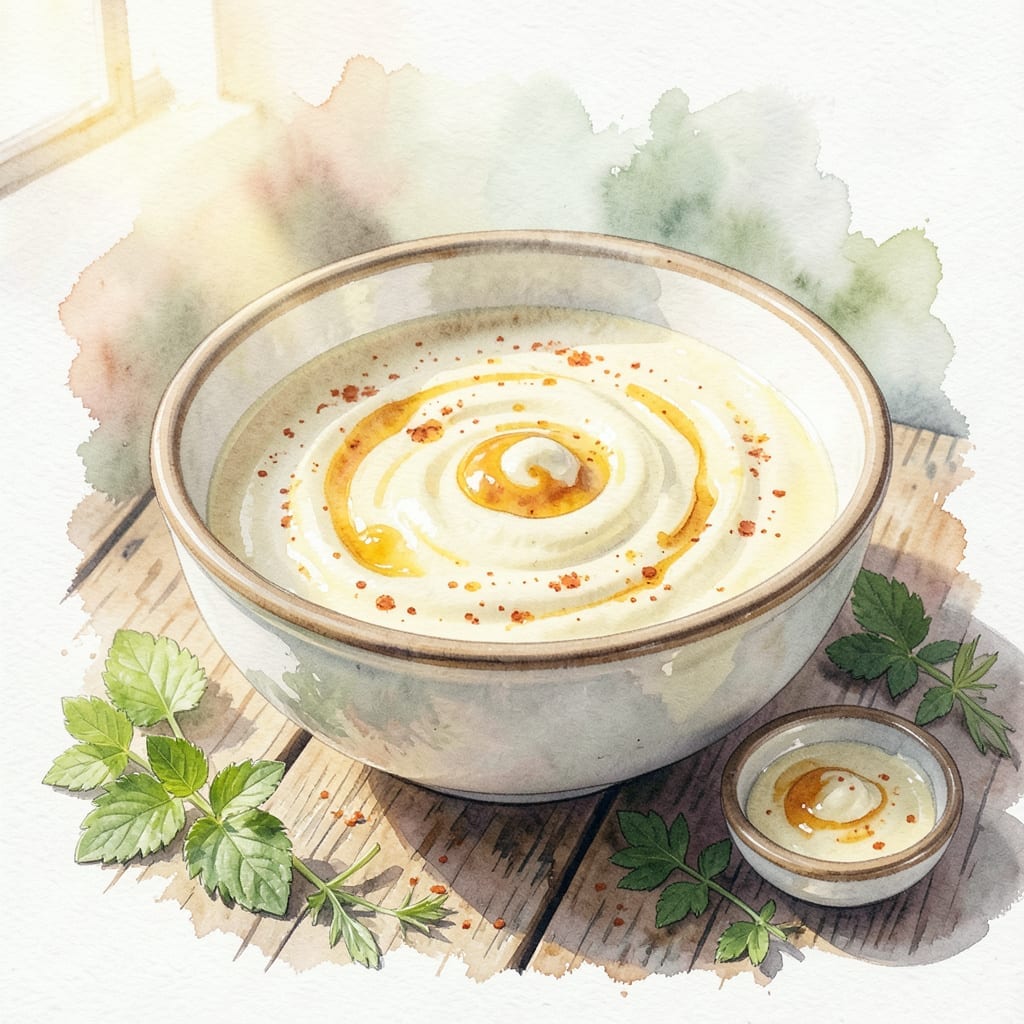
Mastering hollandaise has never been simpler than with this blender method. The key lies in controlled emulsification, transforming basic ingredients into a silky, restaurant-quality sauce without the risk of breaking.
This approach eliminates the double boiler and whisking, using the blender’s power to create a stable emulsion in minutes. The result is a rich, buttery sauce with the perfect balance of tang and creaminess.
No more standing over a hot stove worrying about curdling. The blender handles the work while you focus on perfecting the texture and flavor.
Ideal for eggs Benedict, asparagus, or steamed vegetables, this sauce elevates any dish with its luxurious finish. Here’s how to make it effortlessly.
Ingredients for Recipe for Hollandaise Sauce in a Blender
Seven ingredients transform into silky, restaurant-quality sauce with minimal effort here.
| Ingredient | Amount | Notes |
|---|---|---|
| Unsalted Butter 🧈 | 1 cup | Melted and hot for emulsion |
| Large Egg Yolks 🥚 | 3 whole | Room temperature for stability |
| Lemon Juice 🍋 | 1 tbsp | Freshly squeezed for brightness |
| White Wine Vinegar 💧 | 1 tsp | Or substitute apple cider vinegar |
| Salt 🧂 | ¼ tsp | Fine sea salt preferred |
| Cayenne Pepper 🌶️ | 0.125 tsp | Pinch for subtle heat |
| White Pepper 🧂 | 0.125 tsp | Optional for traditional flavor |
The butter is critical for a stable emulsion. Use high-quality European-style for richer flavor—Plugrá or Kerrygold are excellent choices. Egg yolks at room temperature blend more smoothly into the hot butter. Organic eggs often have deeper color, which looks stunning in the finished sauce. The vinegar adds necessary acidity to balance the richness.
No white wine vinegar? Apple cider vinegar at the same amount works fine. In a pinch, lemon juice can replace both the vinegar and lemon juice—use 1.5 tbsp total. For a milder sauce, skip the cayenne. The white pepper is traditional but optional—black pepper works too though it will speckle the sauce slightly.
Hollandaise is best used immediately but can hold at 140°F for up to 1 hour. Store leftovers in a thermos to maintain temperature. For safety, discard after 2 hours at room temperature—this sauce doesn’t reheat well.
Why You’ll Love This Recipe
- Blender Magic: I just toss everything in and blend—no whisking, no double boiler, no stress.
- Buttery Luxury: The rich egg yolks and melted butter create that velvety, tangy sauce I crave on eggs Benedict.
- Sunday Brunch Star: I drizzle this over asparagus, eggs, or even grilled chicken for an instant fancy touch.
- No Waste: Honestly, it keeps in the fridge for a few days, so I can make extra and use it all week.
Step-by-Step Instructions for Hollandaise Sauce in a Blender
Master this blender technique for a foolproof emulsion that’s rich, velvety, and restaurant-quality.
Step 1: Melt and Heat the Butter Properly
Begin by melting the 1 cup unsalted butter in a small saucepan over medium-low heat. The goal is to clarify it slightly—let it bubble gently until the foam subsides and the milk solids settle at the bottom. This step ensures a cleaner emulsion.
Once melted, carefully pour the clear yellow butter into a heatproof measuring cup, leaving the white milk solids behind. Keep the butter warm, ideally around 180-200°F. If it cools too much, it won’t emulsify properly with the egg yolks.
Step 2: Blend the Egg Yolks and Acid
In the blender, combine the 3 whole large egg yolks, 1 tbsp lemon juice, and 1 tsp white wine vinegar. Blend on medium-high speed for 20-30 seconds until the mixture lightens in color and thickens slightly. The acid helps stabilize the emulsion and adds brightness to the sauce.
At this stage, the mixture should look pale and frothy. Add the 0.25 tsp salt, 0.125 tsp cayenne pepper, and 0.125 tsp white pepper to the blender. Pulse once or twice to incorporate. These seasonings should be subtle but present in the final sauce.
Step 3: Slowly Emulsify with Hot Butter
With the blender running on medium speed, very slowly drizzle in the hot melted butter. Start with just a thin stream—this is critical for creating a stable emulsion. As the sauce begins to thicken and lighten in color, you can increase the stream slightly, but never pour too quickly.
Stop the blender every 10-15 seconds to scrape down the sides with a spatula if needed. The sauce should become thick, creamy, and pale yellow. If it looks too thin, continue blending and drizzling until all the butter is incorporated. The entire process should take 1-2 minutes.
Step 4: Adjust Consistency and Serve Immediately
Once all the butter is incorporated, taste and adjust the seasoning if needed. If the sauce is too thick, blend in 1-2 tsp hot water to loosen it. If it’s too thin, blend for another 10-15 seconds to encourage further emulsification.
Use the hollandaise immediately while it’s warm and creamy. If it sits too long, it may begin to separate. To hold it briefly, transfer it to a thermos or place the blender jar in a warm water bath, stirring occasionally. This sauce is perfect over eggs Benedict, asparagus, or grilled fish.
Pro Tips For Making Recipe For Hollandaise Sauce In A Blender
- Melt Butter Slowly: Heat your unsalted butter until just melted—180°F max—and let it cool slightly before blending. I learned this the hard way after scorching a batch and wondering why my sauce tasted bitter.
- Warm Your Yolks: Take your egg yolks out of the fridge 10 minutes before starting, or place the separated yolks in a cup of warm water for 2 minutes. Cold yolks resist emulsifying and can leave you with a broken sauce.
- Skip the Overfill: Resist the urge to double the recipe in one blender batch—hollandaise needs room to move. I tried saving time once and ended up with a thick, gloppy mess that refused to smooth out.
- Acid Last: Add the lemon juice and vinegar after the emulsion forms, not before. Sounds weird, but it works: the acid tightens the sauce, and doing it this way prevents curdling.
Storing and Reheating recipe for hollandaise sauce in a blender
Room Temperature Storage
Hollandaise is best enjoyed fresh, but can hold at room temperature for up to 2 hours if kept warm. I transfer mine to a small thermos preheated with hot water to maintain that perfect 140-150°F serving temperature. Stir occasionally to keep the emulsion stable. ❄️
Refrigerator Storage
If you must store leftovers, transfer to an airtight container and refrigerate immediately. The sauce will thicken significantly when cold. It’s safe for 2-3 days, but the texture changes—this method is best for short-term storage only.
Reheating Gently
To revive refrigerated hollandaise, use a double boiler method. Place your container in a saucepan with 1 inch of simmering water, stirring constantly with a whisk. Heat slowly over low-medium heat until it reaches 140°F. 🔥
Blender Reheating
For small batches, return the sauce to your blender. Add 1 tsp hot water and blend on low for 10-15 seconds. The motion helps re-emulsify separated sauce. Watch closely—it can go from perfect to scrambled in moments.
Freezing Not Recommended
Hollandaise doesn’t freeze well—the emulsion breaks down and separates. The texture becomes grainy and watery when thawed. If you have excess, it’s better to scale down your recipe next time.
Safety First
Remember that raw egg yolks are a food safety concern. If storing, keep below 40°F or above 140°F. When in doubt, it’s safer to discard than risk foodborne illness. Always use the freshest eggs possible.
Nutrition Facts
Frequently Asked Questions
Can I use pasteurized eggs for safety?
Pasteurized egg yolks work perfectly and eliminate food safety concerns. Use the same 3 yolks as the recipe calls for. The texture and flavor will be identical to fresh eggs.
What if my sauce breaks or separates?
Start with 1 new egg yolk in the blender, then slowly drizzle in the broken sauce while blending. This often re-emulsifies it. If that fails, you may need to start over with fresh ingredients.
Can I make this ahead of time?
It’s best served immediately, but can hold for 1 hour in a thermos at 140°F. For longer storage, refrigerate for up to 2 days and reheat gently in a double boiler.

- BBQ Sausage Recipe Oven: Smoky Depth Without the Grill - September 28, 2026
- BBQ Chicken Bowl Recipe Rice: Smoky Sweetness Over Fluffy Grains - September 28, 2026
- Beef Cutlet Recipe Ideas: Crispy Breaded Patties With Bold Seasonings - September 28, 2026