
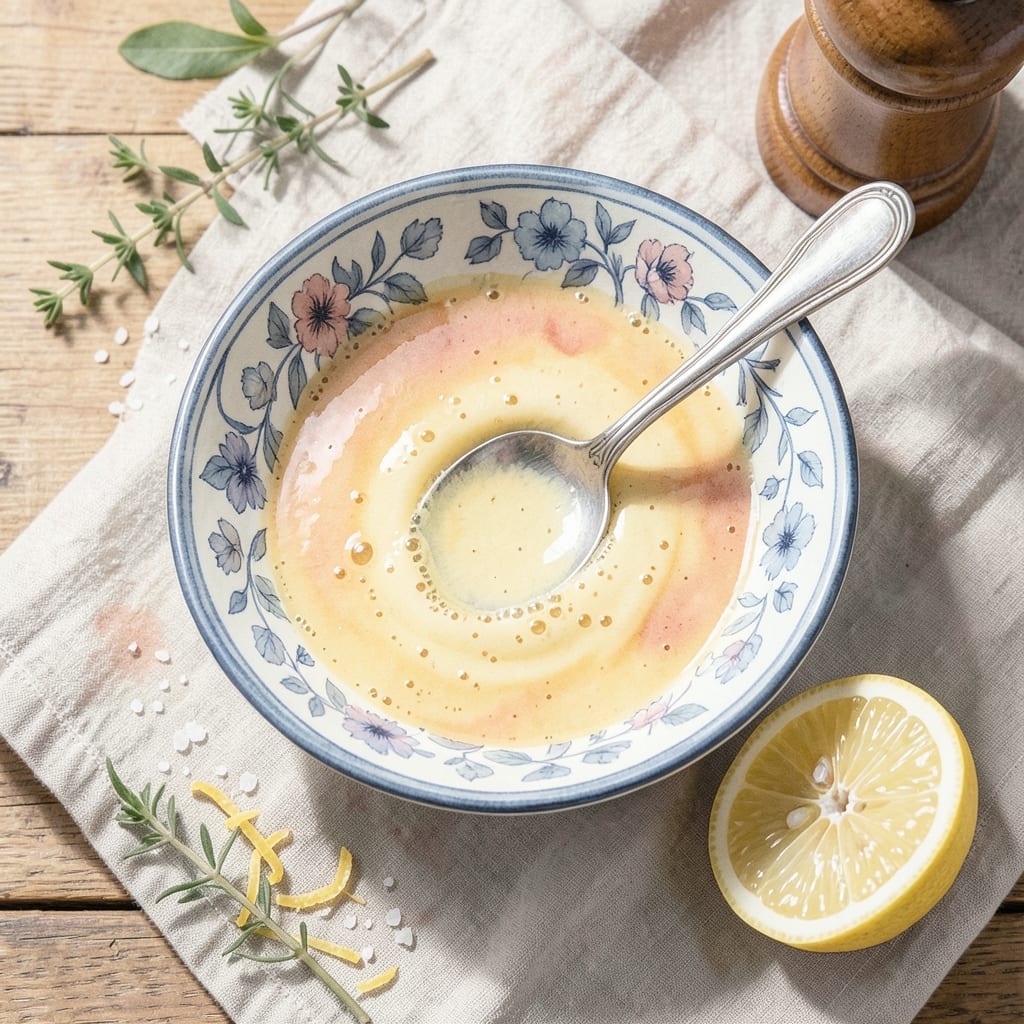
This lemon cake mix transforms boxed convenience into zesty, homemade-quality dessert with minimal effort. I developed this method to prove that shortcuts can deliver impressive results when executed properly.
The technique is simple yet precise: enhance the mix with fresh lemon juice and zest to amplify the citrus flavor. The addition of buttermilk creates a tender, moist crumb that rivals scratch-made cakes.
You’ll achieve a bright, sunny dessert with a perfectly balanced sweet-tart profile. The texture is light yet substantial, with a golden crust that forms naturally during baking.
This approach maintains the ease of a box mix while delivering a cake that tastes thoughtfully crafted. The result is consistently reliable and universally appealing.
Ingredients for Recipe for Lemon Cake Mix
A few upgrades transform boxed mix into a citrus masterpiece with tender crumb and bright flavor.
| Ingredient | Amount | Notes |
|---|---|---|
| Lemon Cake Mix 🍰 | 1 box | 15.25 oz standard size |
| Buttermilk 🥛 | 1 ¼ cups | Full-fat for richness |
| Large Eggs 🥚 | 3 whole | Room temperature preferred |
| Unsalted Butter 🧈 | ½ cup | Melted and cooled slightly |
| Fresh Lemon Juice 🍋 | ⅓ cup | About 2-3 large lemons |
| Lemon Zest 🍋 | 2 tbsp | From organic lemons preferred |
| Granulated Sugar 🧂 | ½ cup | For enhanced sweetness |
| Vanilla Extract 🌿 | 1 tsp | Pure extract recommended |
| Baking Powder 🧂 | ½ tsp | Ensures proper rise |
| Salt 🧂 | ¼ tsp | Fine grain for even distribution |
| All-Purpose Flour 🌾 | ¼ cup | For structural stability |
| Vegetable Oil 🫒 | ¼ cup | Neutral flavor profile |
The buttermilk is non-negotiable here. Full-fat versions from Whole Foods or Kroger deliver that signature tenderness. The cake mix itself—Betty Crocker or Duncan Hines work best for consistent results. Always check the box size; this is calibrated for the standard 15.25 oz. Organic lemons for zest and juice ensure a vibrant, unadulterated citrus flavor that synthetic extracts can’t match.
No buttermilk? Whole milk plus 1 tbsp vinegar per cup gets you close. Fresh lemon juice is ideal, but bottled in a pinch (just use one-third less—it’s more concentrated). The butter can be swapped for vegetable oil in equal measure, though the flavor will be slightly less rich. For extra lemon punch, add 1 additional tbsp of zest—it won’t overpower.
The batter stays fresh in the fridge for up to 24 hours before baking. Once baked, the cake keeps well at room temperature for 3 days or in the fridge for 5 days. For longer storage, freeze slices wrapped tightly for up to 2 months.
Why You’ll Love This Recipe
- One Bowl Wonder: I dump the cake mix, buttermilk, eggs, and melted butter in one bowl, stir, and done—no fancy steps.
- Zesty Punch: The fresh lemon juice cuts through the sweetness with that bright, tangy kick I crave.
- Brunch Star: It’s my go-to for potlucks, birthdays, or even a lazy Sunday morning with coffee.
- Keeps Well: Honestly, it tastes even better the next day—moist and flavorful for up to three days on the counter.
Step-by-Step Instructions for Lemon Cake Mix
This professional method ensures a moist, tender crumb with maximum citrus flavor in every bite.
Step 1: Combine Wet Ingredients for Emulsion
In a large mixing bowl, whisk together the 1.25 cups buttermilk, 3 whole large eggs, 0.5 cup melted unsalted butter, 0.33 cup fresh lemon juice, and 1 tsp vanilla extract until fully homogenized. The buttermilk’s acidity will react with the baking powder later for optimal rise.
The mixture should appear smooth and slightly frothy. I always use room temperature eggs here—they emulsify better with the fats, creating a more stable batter that bakes evenly without tunneling.
Step 2: Incorporate Dry Components and Zest
Add the 1 box lemon cake mix, 0.5 cup granulated sugar, 0.5 tsp baking powder, and 0.25 tsp salt to the wet mixture. Using a silicone spatula, fold gently until about 70% combined—you’ll see some dry streaks remaining.
Now add the 2 tbsp lemon zest and 0.25 cup all-purpose flour. The zest contains essential oils that bloom during baking, while the flour reinforces the cake’s structure to support the added liquids. Fold just until no dry spots remain—overmixing develops gluten, which would make the cake dense.
Step 3: Stream in Oil for Tenderness
With the spatula, create a well in the center of the batter. Slowly drizzle in the 0.25 cup vegetable oil while folding from the bottom up. This technique ensures the oil incorporates evenly without deflating the batter’s air bubbles.
The oil adds moisture and creates a velvety texture that butter alone can’t achieve. You’ll notice the batter becomes glossy and slightly thicker as the oil emulsifies with the other wet ingredients.
Step 4: Bake Until Golden with Spring
Divide the batter evenly between prepared cake pans. Bake in a preheated 350°F oven for 25-30 minutes or until the tops are golden brown and a toothpick inserted in the center comes out with only a few moist crumbs.
I rotate the pans halfway through baking to ensure even browning. The cakes are done when they begin to pull slightly away from the pan edges and spring back when lightly pressed with a finger.
Step 5: Cool and Finish for Maximum Flavor
Allow the cakes to cool in their pans for 10 minutes, then transfer to a wire rack to cool completely. This cooling period lets the structure set while preventing sogginess from trapped steam.
For best results, let the cakes rest for at least 2 hours before frosting. This allows the citrus flavors to meld and intensify, creating that signature bright lemon profile that makes this cake extraordinary.
Pro Tips For Making Recipe For Lemon Cake Mix
- Preheat the Pan: Always start with your oven fully preheated to 350°F—cold ovens make dense cakes, and I learned this the hard way with a sunken center.
- Warm the Buttermilk: Take the chill off your buttermilk by letting it sit at room temp for 15 minutes; it blends smoother with the butter and eggs.
- Zest Before Juicing: Grate your lemon zest first if using whole lemons, then juice them—it’s easier and you’ll get more juice out of the halved fruit.
- Check at 20 Minutes: Start testing for doneness 5 minutes early; overbaking dries out lemon cake fast, and a toothpick should come out with just a few crumbs.
Essential Equipment for recipe for lemon cake mix
Mixing Bowls
A 4-quart stainless steel mixing bowl from Cuisinox gives you enough room to fold ingredients without spills. I love that it’s lightweight yet durable for daily use. The wide base also helps with even mixing. 💛
Measuring Tools
Precision matters, so I rely on OXO Good Grips measuring cups and spoons. Their angled design lets you read measurements from above. For the lemon juice, a 1-cup glass measure with clear markings ensures accuracy.
Whisk and Spatula
A balloon whisk from Ateco creates the perfect emulsion for wet ingredients. For folding dry components, a silicone spatula with a flexible head prevents overmixing while scraping every bit of batter from the bowl.
Baking Pans
Two 9-inch round cake pans from Fat Daddio’s provide even heat distribution and easy release. I always line them with parchment paper for foolproof removal. For cupcakes, swap in a 12-cup muffin tin.
Cooling Rack
A wire cooling rack elevates cakes to prevent steam buildup on the bottom. I use a Chicago Metallic rack—its sturdy construction handles heavy cakes without wobbling. Cool completely before frosting for best results. ❄️
Zester
For the lemon zest, a Microplane rasp zester removes just the flavorful outer layer without the bitter pith. Its fine teeth create a fluffy zest that incorporates beautifully into the batter. Always wash your lemons first to remove any wax.
Nutrition Facts
Frequently Asked Questions
Can I use regular milk instead of buttermilk?
Yes, but add 1 tbsp vinegar or lemon juice per cup of milk and let sit for 5 minutes before using. This creates a buttermilk substitute that works nearly as well for tenderness.
Why add extra lemon zest to the mix?
Fresh zest contains oils that intensify the citrus flavor. The box mix alone often lacks that bright, natural lemon punch that makes homemade versions special.
How do I know when the cake is done?
A toothpick inserted in the center should come out with only a few moist crumbs. The top will be golden brown and spring back when lightly touched.
Can I make this as cupcakes instead?
Fill liners 2/3 full and bake at 350°F for 18-22 minutes. Check for doneness the same way as the full cake.

- BBQ Sausage Recipe Oven: Smoky Depth Without the Grill - September 28, 2026
- BBQ Chicken Bowl Recipe Rice: Smoky Sweetness Over Fluffy Grains - September 28, 2026
- Beef Cutlet Recipe Ideas: Crispy Breaded Patties With Bold Seasonings - September 28, 2026