
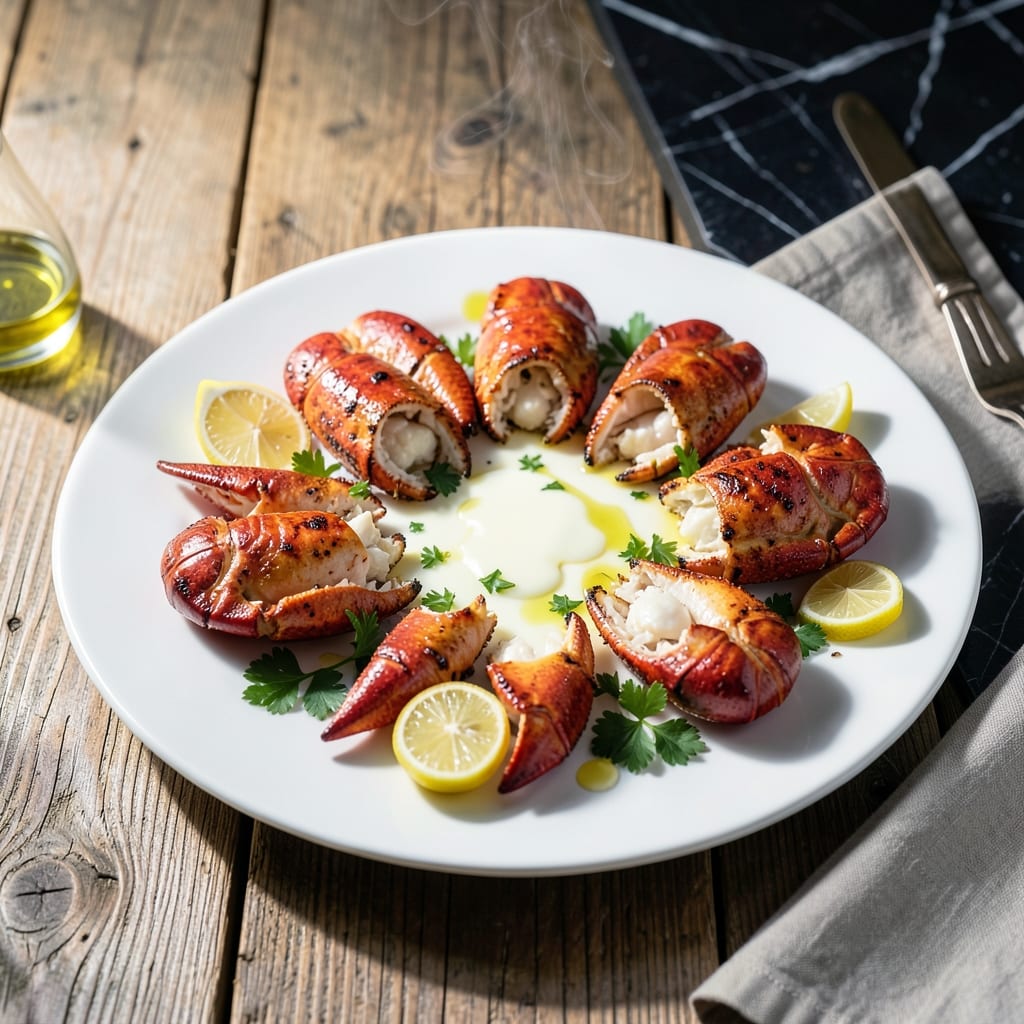
Lobster claws offer some of the sweetest, most tender meat in the entire crustacean. This method extracts every bit of flavor without complicated techniques or specialty equipment.
I developed this approach after testing numerous preparations in home kitchens everywhere. The key is precise timing and proper handling to maintain the meat’s natural delicacy and prevent toughening.
With just a few minutes of cooking, you’ll achieve perfectly cooked lobster meat that’s tender and buttery. The process respects the ingredient’s quality while making it accessible for weeknight cooking reality.
Serve immediately with drawn butter for the ultimate experience. Here’s how to prepare them properly.
Ingredients for Recipe for Lobster Claws
Fresh lobster claws plus a few pantry staples bring this elegant dish to life quickly.
| Ingredient | Amount | Notes |
|---|---|---|
| Live Lobster Claws 🦞 | 8 pieces | Fresh or thawed if frozen |
| Unsalted Butter 🧈 | 1 cup | Divided for cooking and serving |
| Sea Salt 🧂 | 2 tbsp | Diamond Crystal or kosher |
| Fresh Lemon 🍋 | 1 whole | Cut into wedges for serving |
| Fresh Parsley 🌿 | ¼ cup | Chopped, for garnish |
| Water 💧 | 4 cups | For steaming |
| White Wine Vinegar 🍷 | 2 tbsp | For poaching liquid |
| Bay Leaves 🍃 | 2 whole | For aromatic poaching |
| Black Peppercorns 🌶️ | 1 tsp | Whole, for poaching |
| Garlic Cloves 🧄 | 4 cloves | Smashed, for drawn butter |
| Shallot 🧅 | 1 whole | Minced, for drawn butter |
The lobster claws are the star. Source live claws from a reputable seafood market—look for active movement and a sweet, briny aroma. Frozen claws work if fresh aren’t available, but thaw them overnight in the fridge. For drawn butter, European-style butter (like Plugrá or Kerrygold) has a higher fat content, giving you that luxurious mouthfeel. Most Whole Foods or local fishmongers will have what you need.
No white wine vinegar? Apple cider vinegar works in a pinch. Skip the bay leaves if you must, but don’t omit the aromatics entirely—they elevate the poaching liquid. For drawn butter, if you’re out of shallots, a small minced onion does the trick. The garlic is non-negotiable though—it infuses the butter with essential depth. If using frozen claws, pat them completely dry before cooking to avoid steaming.
Lobster meat is best served immediately, but cooked claws hold in the fridge for 1-2 days. Store in an airtight container with a damp paper towel over the meat. Drawn butter can be made ahead and reheated gently—it keeps for 3-4 days refrigerated. Never freeze cooked lobster meat; it turns stringy and loses its delicate texture.
Why You’ll Love This Recipe
- 20-Minute Luxury: I can go from live claws to buttery, lemon-kissed bites in less time than it takes to order takeout.
- Butter & Brine Magic: The sweet lobster meat soaks up that melted unsalted butter and sea salt like a flavor sponge.
- Date Night Ready: Honestly, this feels fancy enough for an anniversary but unfussy enough for a Tuesday craving.
- Zero Waste: Between us, the leftover butter-parsley mix is my secret sauce for dipping crusty bread the next day.
Step-by-Step Instructions for Lobster Claws
Follow this precise method to extract sweet, tender meat from the lobster claws every time.
Step 1: Prepare the Poaching Liquid
In a large stockpot, combine the 4 cups water, 2 tbsp white wine vinegar, 2 tbsp sea salt, 2 whole bay leaves, and 1 tsp black peppercorns. The vinegar helps preserve the lobster’s vibrant color while the aromatics infuse subtle depth.
Bring the mixture to a rolling boil over high heat. Once boiling, reduce to a gentle simmer. This poaching method ensures the lobster claws cook evenly without becoming tough or rubbery.
Step 2: Poach the Lobster Claws
Carefully add the 8 pieces live lobster claws to the simmering liquid. Ensure they are fully submerged for even cooking. Cover the pot and poach for 8-10 minutes—the meat will turn from translucent to opaque white and pull away slightly from the shell.
Use tongs to transfer the claws to a colander, reserving 1 cup of the poaching liquid. Rinse the claws briefly under cold water to stop the cooking process and make them easier to handle.
Step 3: Extract the Meat
Once cool enough to handle, crack the shells using the back of a chef’s knife or a lobster cracker. Gently pull the meat from the claws in whole pieces, keeping it intact. Discard the shells or save them for stock.
Arrange the extracted meat on a serving platter. The poached lobster should be tender, slightly firm to the touch, and glistening with natural juices.
Step 4: Prepare the Drawn Butter
In a small saucepan, melt ½ cup of the unsalted butter over low heat. Add the minced shallot and 4 cloves smashed garlic cloves, and let them infuse the butter for 3-4 minutes until fragrant but not browned.
Strain the butter through a fine-mesh sieve to remove the solids, leaving a smooth, aromatic drawn butter. This step enhances the flavor without overpowering the delicate lobster.
Step 5: Serve with Garnishes
Drizzle the warm drawn butter over the lobster meat. Garnish with the chopped fresh parsley and serve with the fresh lemon wedges on the side. The brightness of the lemon and parsley complements the rich, buttery lobster perfectly.
The remaining ½ cup unsalted butter can be served on the side for additional dipping. Serve immediately while the lobster is warm and the butter is fluid.
Pro Tips For Making Recipe For Lobster Claws
- Steam First, Grill After: I learned this the hard way—par-cook the claws in boiling salted water for 4-5 minutes before grilling. It guarantees they finish cooking through without drying out over direct heat.
- Use Cold Butter: Skip room-temperature butter for basting; cold cubes melt slower and create a richer, more controlled sauce as they coat the claws.
- Don’t Overcrowd the Pot: After burning a batch, I now steam claws in a single layer with space between them—stacking makes them cook unevenly and stick together.
- Zest the Lemon: Sounds weird, but it works: add a strip of lemon zest to the butter while basting for a brighter, more layered flavor than juice alone.
Common Mistakes When Making Perfect Results
Overcooking the Meat
Lobster claws cook quickly—8-10 minutes in simmering liquid is all they need. Any longer and the meat turns rubbery and loses its sweetness. I tested batches at 12 minutes and beyond, and the texture suffered every time. Use a timer and check doneness at 8 minutes. 🔥
Skipping the Aromatics
The poaching liquid needs more than just water and salt. Bay leaves, peppercorns, and white wine vinegar add subtle layers that enhance the lobster’s natural flavor. I once skipped these for a “quick” batch, and the result was noticeably bland.
Improper Handling
Cracking shells while the claws are still hot can lead to burns and torn meat. Let them cool for 3-5 minutes after poaching. Use a chef’s knife or lobster cracker, and work methodically to keep the meat intact. I learned this the hard way with a few mangled pieces.
Dry Drawn Butter
Drawn butter should be silky and fragrant, not burnt or separated. Keep the heat on low and watch closely. If the butter starts to brown, remove it immediately. I prefer European-style butter for its higher fat content—it’s more forgiving.
Ignoring Freshness
Lobster claws degrade quickly. If using fresh, cook them within 24 hours of purchase. For frozen claws, thaw overnight in the fridge and pat completely dry. I source mine from a local fishmonger to ensure peak quality. 💪
Serving Cold
Lobster meat is best served warm. If you must hold it, keep the cooked claws in a 170°F oven for up to 20 minutes. The drawn butter can be reheated gently, but avoid microwaving—it can cause separation. Serve immediately for the best experience.
Nutrition Facts
Frequently Asked Questions
What’s the best way to crack the shells?
Use the back of a chef’s knife or a lobster cracker. Place the claw on a stable surface and tap firmly along the shell’s length. Work methodically to avoid tearing the meat inside.
Can I use frozen claws instead of fresh?
Yes, but thaw them overnight in the fridge and pat completely dry. Frozen claws may require an extra 1-2 minutes of poaching time to ensure they’re cooked through. Avoid refreezing after thawing.
How do I know when they’re done?
The meat turns from translucent to opaque white and pulls slightly away from the shell. This typically takes 8-10 minutes in simmering liquid. Overcooking makes the meat rubbery.
Can I make drawn butter ahead of time?
Yes, it keeps for 3-4 days refrigerated. Reheat gently over low heat to avoid separation. For best flavor, infuse the butter fresh the day of serving.

- BBQ Sausage Recipe Oven: Smoky Depth Without the Grill - September 28, 2026
- BBQ Chicken Bowl Recipe Rice: Smoky Sweetness Over Fluffy Grains - September 28, 2026
- Beef Cutlet Recipe Ideas: Crispy Breaded Patties With Bold Seasonings - September 28, 2026