
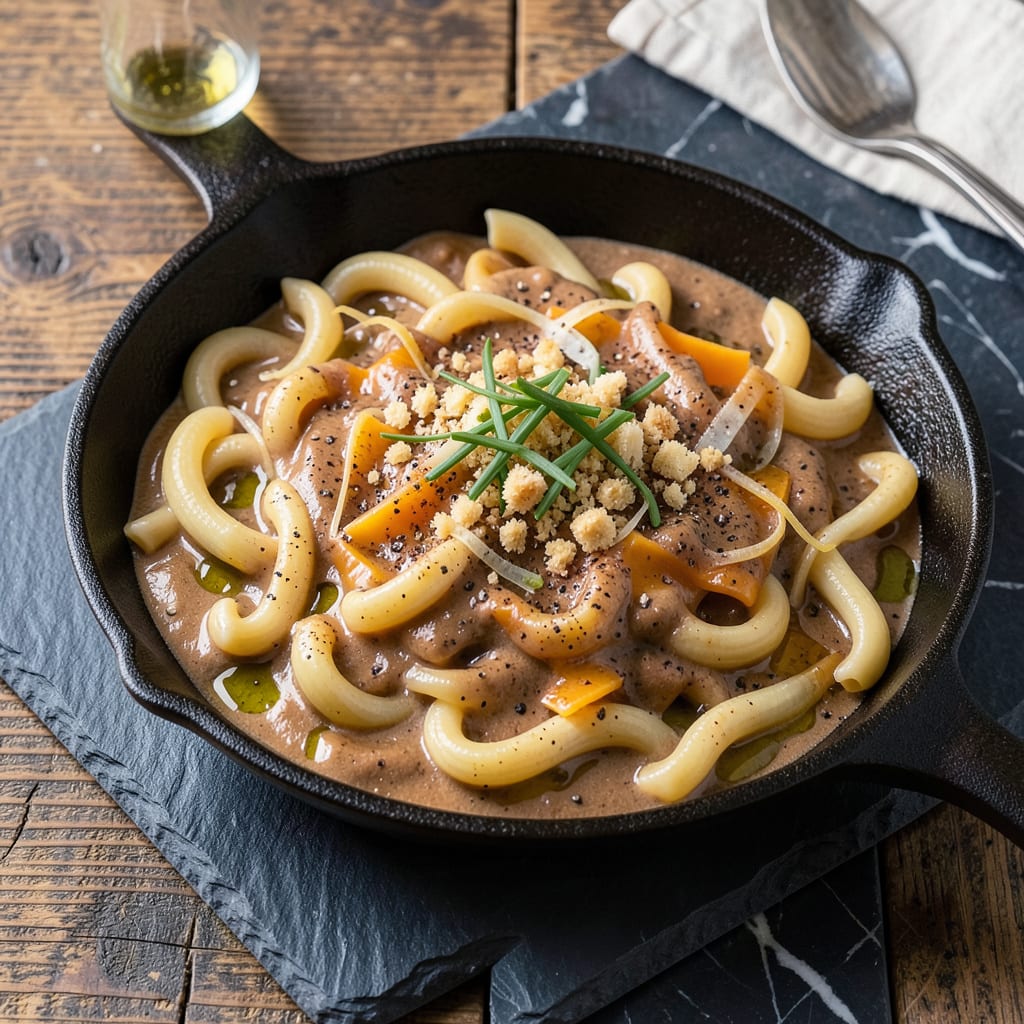
The classic mac sauce combines melted butter, flour, milk, and sharp cheddar cheese for a rich, velvety texture. Season with salt, pepper, and a dash of mustard powder for extra depth. Cook on low heat until smooth and creamy.
This simple foundation creates a sauce that’s both comforting and versatile. The magic happens when the butter-flour roux thickens the milk, while the cheddar melts into a luscious base. I’ve found that patience is key—rushing the process can lead to a grainy texture instead of that signature silkiness. 🔥
What elevates this sauce beyond basic is the balance of seasonings. The mustard powder isn’t just for flavor—it helps emulsify the fats and liquids for a more stable sauce. For extra richness, some cooks swear by a splash of heavy cream or a pinch of nutmeg at the end. ✨
💡 In This Article
- How Mac Sauce Achieves Its Creamy Consistency
- Customizing Your Mac Sauce with Cheese and Add-Ins
How Mac Sauce Achieves Its Creamy Consistency
The secret lies in the roux—a cooked mixture of equal parts fat and flour by weight. When you melt 4 tablespoons butter and whisk in 4 tablespoons flour, the starch granules in the flour absorb the fat and swell.
This creates a paste that can later absorb liquids (like milk) and expand to thicken the sauce. The cooking process also removes the raw flour taste while developing nutty undertones. 🔥
Temperature control is everything. Heating the roux to 160-180°F for 2-3 minutes ensures the flour is fully cooked but not browned (which would make a gravy instead of a white sauce). When you slowly add 2 cups warm milk, the starch molecules unwind and form a network that traps liquid—this is called gelatinization.
Too much heat breaks these bonds, causing separation, while too little leaves the sauce thin. ✨
The cheese addition is where science meets flavor. Sharp cheddar contains about 33% fat and 25% protein, which melt into the sauce base. The proteins (casein) act as natural emulsifiers, helping fat and water stay blended.
Adding cheese off-heat prevents the proteins from clumping—this is why recipes tell you to remove the pan from direct heat before stirring in the 2 cups shredded cheddar. 🌟
Modern techniques improve on tradition. Some chefs use sodium citrate (a natural emulsifier found in cheese) to prevent graininess when using pre-shredded cheese. Others blend a small amount of American cheese for its meltability—it contains phosphates that keep the sauce smooth even when reheated.
The mustard powder isn’t just for flavor; its acidic nature helps stabilize the emulsion by adjusting the pH slightly. ⚡
For extra silkiness, finish with 1/4 cup heavy cream or a pat of cold butter stirred in at the end. This “mounting” technique incorporates air and adds a velvety mouthfeel. The difference between good and great mac sauce often comes down to these final touches—patience during cooking and careful temperature management throughout the process. 💫
What most home cooks don’t realize is that the sauce continues to thicken as it cools. The starch molecules retrogradate (reorganize) when off heat, which is why mac and cheese often tastes better after sitting for 5-10 minutes before serving. This resting period allows flavors to meld and the texture to reach its ideal creaminess.
💛

- BBQ Sausage Recipe Oven: Smoky Depth Without the Grill - September 28, 2026
- BBQ Chicken Bowl Recipe Rice: Smoky Sweetness Over Fluffy Grains - September 28, 2026
- Beef Cutlet Recipe Ideas: Crispy Breaded Patties With Bold Seasonings - September 28, 2026