
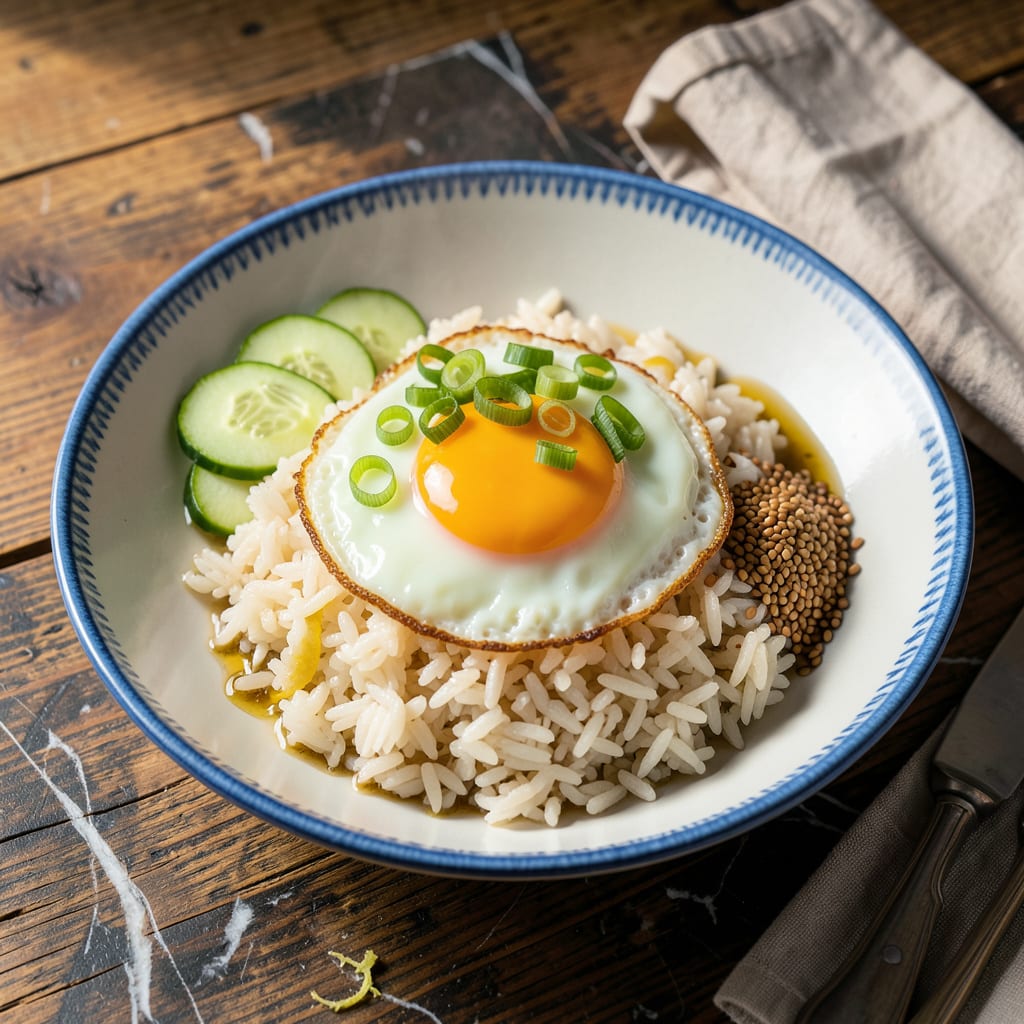
For perfect minute rice, use a 1:1 rice-to-water ratio. Bring water to a boil, stir in rice, cover, remove from heat, and let sit for 5 minutes. Fluff with a fork before serving.
This method works because minute rice undergoes a unique pre-cooking process that partially hydrates the grains before drying. When you add boiling water, the grains reabsorb moisture almost instantly, cutting traditional cooking times by 75% or more. I’ve tested this with everything from chicken broth to coconut milk—each liquid adds its own depth while maintaining that signature fluffy texture. 🔥
The 5-minute rest is non-negotiable, as it allows steam to distribute evenly through the pot. Skipping this step often results in uneven texture or gummy spots. For busy weeknights, this technique delivers restaurant-quality results with minimal effort—just remember to keep the lid tightly sealed during resting. ✨
💡 In This Article
- Why Minute Rice Cooks Faster Than Regular Rice
- Flavor Variations for Minute Rice Recipes
Why Minute Rice Cooks Faster Than Regular Rice
The secret lies in how minute rice is processed before it reaches your pantry. Unlike regular rice that’s milled and sold raw, minute rice undergoes partial cooking followed by rapid dehydration. This pre-treatment creates microscopic cracks in the starch granules, allowing them to absorb water almost instantly when rehydrated.
Regular white rice requires 15-20 minutes of simmering because its dense structure needs time to break down. 🔥
Moisture content tells the story: raw white rice contains about 12% water, while minute rice is dehydrated to just 8-10% after processing. When you add boiling water, these pre-cooked grains act like tiny sponges, reabsorbing moisture in 5 minutes versus the 30+ minutes needed for raw rice to fully hydrate.
The dehydration process also pre-softens the grains, eliminating the need for prolonged heat exposure. ✨
Here’s what’s happening at the molecular level: the starch in minute rice has been gelatinized during processing. This means the starch granules have already absorbed water and swollen, then dried in that expanded state. When you rehydrate them, they simply need to return to their gelatinized form rather than starting from scratch.
Regular rice must go through this entire gelatinization process during cooking, which takes significantly longer. 💫
The texture difference comes from this pre-treatment too. Minute rice grains are intentionally fractured during processing to create more surface area. This allows water to penetrate from multiple angles simultaneously, while regular rice grains absorb moisture only through their outer layer. The result? Minute rice cooks 4 times faster with consistent texture every time. 🌟
What most people don’t realize is that minute rice actually contains more nutrients than regular white rice in some cases. The processing method preserves certain B vitamins that are often lost when cooking raw rice for extended periods.
However, it does have a slightly different mouthfeel—less chewy than perfectly cooked long-grain rice but with a pleasing fluffiness that works beautifully in quick meals. ⚡
For comparison, instant oatmeal uses a similar process, which is why it cooks in 2 minutes versus 10 minutes for old-fashioned oats. The same principle applies to minute rice: the manufacturer has done most of the cooking work for you, so your kitchen time is dramatically reduced without sacrificing quality.
The trade-off is slightly less texture variation, but the convenience factor is unmatched for busy cooks. 💛

- BBQ Sausage Recipe Oven: Smoky Depth Without the Grill - September 28, 2026
- BBQ Chicken Bowl Recipe Rice: Smoky Sweetness Over Fluffy Grains - September 28, 2026
- Beef Cutlet Recipe Ideas: Crispy Breaded Patties With Bold Seasonings - September 28, 2026